
Image: South China Post
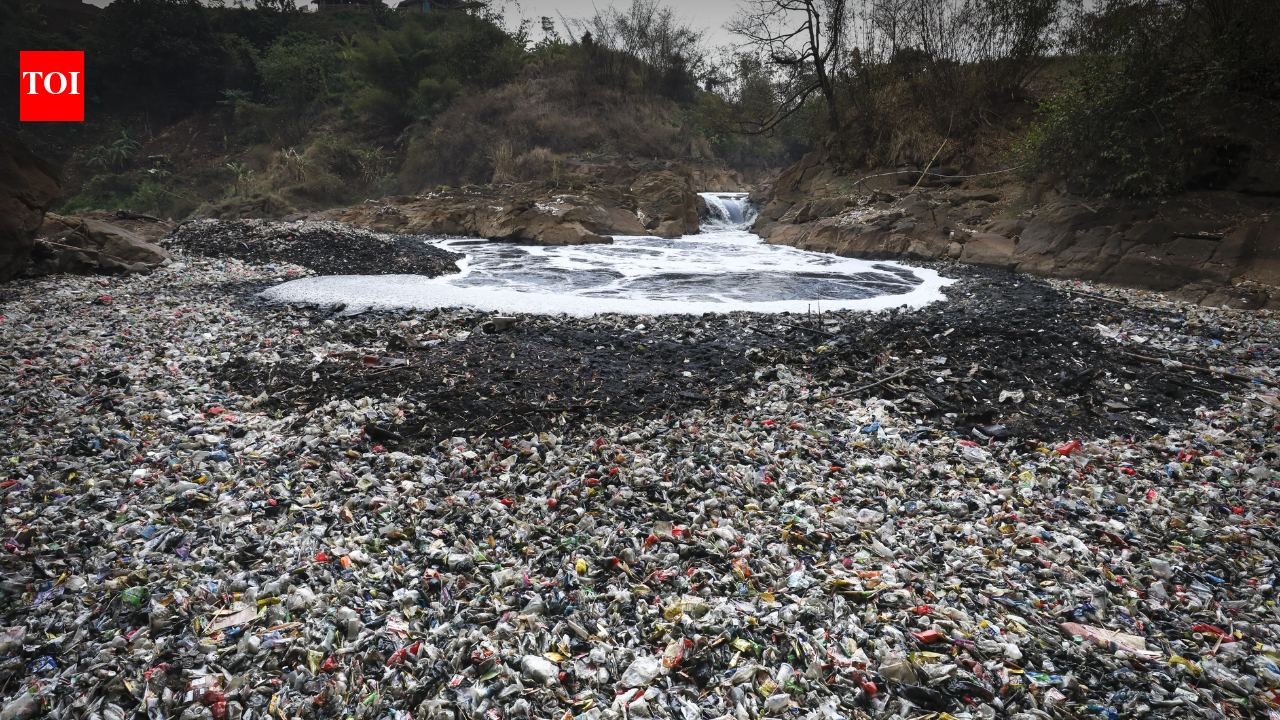
For millions of people in Indonesia, the Citarum River is both a lifeline and an environmental disaster. Stretching for nearly 300 kilometres across West Java, the river supplies water to around 30 million people, irrigates vast agricultural land and supports major industries. Yet in many places, the water is barely visible beneath sprawling blankets of floating rubbish so dense that people have been photographed appearing to walk across its surface.Years of industrial pollution, untreated sewage and plastic waste have transformed sections of the river into one of the world’s most polluted waterways. Although the Indonesian government has pledged to restore the Citarum, the scale of contamination remains one of Southeast Asia’s greatest environmental challenges.
How Indonesia’s Citarum River became one of the world’s most polluted waterways
The Citarum originates in the mountains of West Java before flowing into the Java Sea. Along its course, it passes through densely populated cities and one of Indonesia’s largest industrial regions. According to the United Nations Development Programme (UNDP), roughly 2,700 factories operate around the river basin, including textile, chemical, food processing and manufacturing facilities.Untreated industrial and domestic sewage was poured into the river without adequate regulation for many years. The situation was worsened due to the rapid urbanization, with increasing amounts of plastic being dumped into the river faster than waste management facilities could cope with it. In the rainy season, tonnes of trash are washed into the river, where they form large masses that may cover the entire water surface.According to The Guardian, there are communities living near those heavily polluted stretches of the river, where boats cannot move easily through thick layers of plastic bottles, packaging, household and organic garbage. In some places, the layers of trash become so solid that they create an impression of a solid ground surface.
Toxic pollution threatens millions of people
The problem extends far beyond visible rubbish. Pollution in the Citarum includes hazardous chemicals, untreated sewage and heavy metals that pose serious health risks.Independent testing has found lead concentrations reaching up to 1,000 times higher than United States drinking water standards, while faecal bacteria levels have measured roughly 5,000 times above acceptable limits. Despite these dangers, many residents still rely on the river for bathing, washing clothes, cleaning and, in some communities, cooking because safer alternatives remain limited.The river also supplies irrigation water to farms and supports reservoirs that generate hydroelectric power, meaning contamination affects agriculture, electricity production and drinking water supplies for millions across West Java.
Indonesia’s clean-up campaign faces enormous obstacles
Recognising the severity of the crisis, the Indonesian government launched an ambitious restoration programme aimed at making the Citarum’s water safe enough to drink by 2025. Military personnel, environmental agencies, local governments and community groups have removed thousands of tonnes of floating waste while replanting forests and improving waste collection systems.Nevertheless, according to UNDP, the cleaning of the river is not limited to collecting visible trash. Sustainable achievements require proper industrial practices, improved treatment of wastewater, enhanced control of the emissions from factories, as well as cooperation of companies, governmental bodies, and communities.A major problem associated with the issue is that despite all the efforts made to clean the river, untreated waste from factories is released into the water through special underground pipes along with the disposal of illegal waste. Experts believe that the prevention of pollution is needed instead of regular cleaning of the river.
Where the Citarum River stands today
The Citarum River is still regarded as one of the world’s most polluted waterways, but it is no longer being tackled through isolated clean-up drives alone. According to the study ‘Citarum Harum Project: A Restoration Model of River Basin’ by Abdul Malik Sadat Idris and colleagues, the Citarum Harum programme, launched under Indonesia’s Presidential Regulation No. 15 of 2018, adopts an integrated river-basin restoration approach rather than focusing solely on removing floating waste. The programme brings together multiple government ministries, the West Java provincial government, environmental agencies, the military, law enforcement and local communities to coordinate pollution control across the entire watershed.River restoration entails not only the cleanup of the river. It involves more strict controls of the industrial polluters, improvement of the sewage treatment plants and the system of waste removal, reforestation and rehabilitation of the degraded lands in the upper catchments, building of the flood control structures, and increasing monitoring of water quality.According to the authors, river restoration is a long and time-consuming project that requires continuous investments and coordination. Despite existing difficulties, Citarum Harum has become an example of successful restoration and was recognised as such at the national level by Indonesian authorities. Go to Source