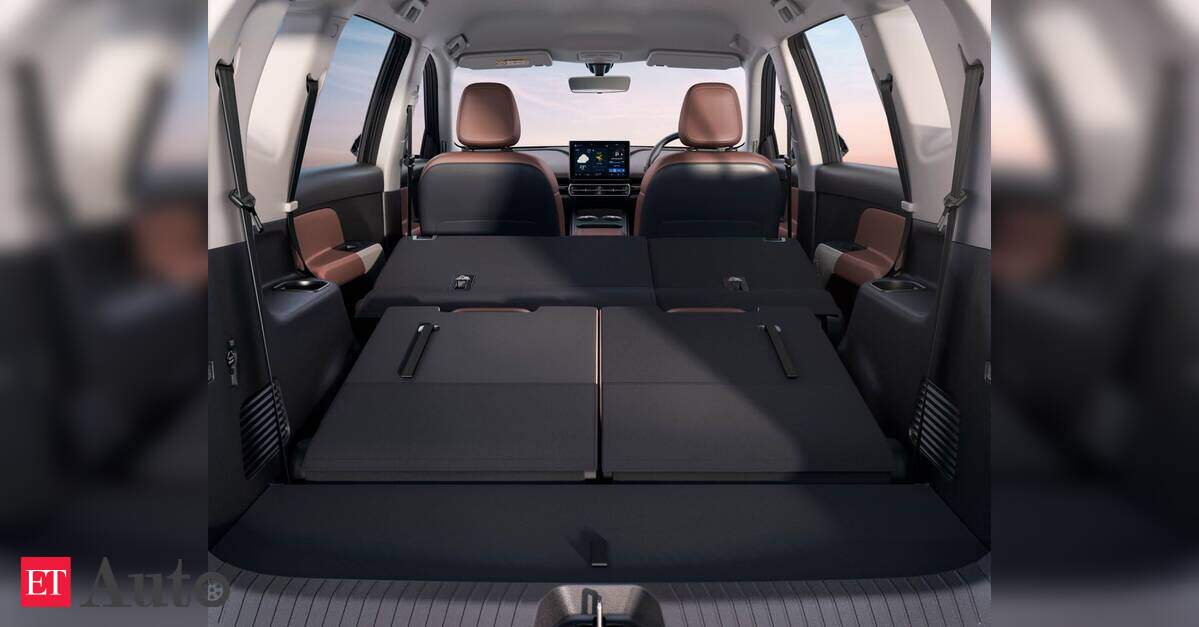

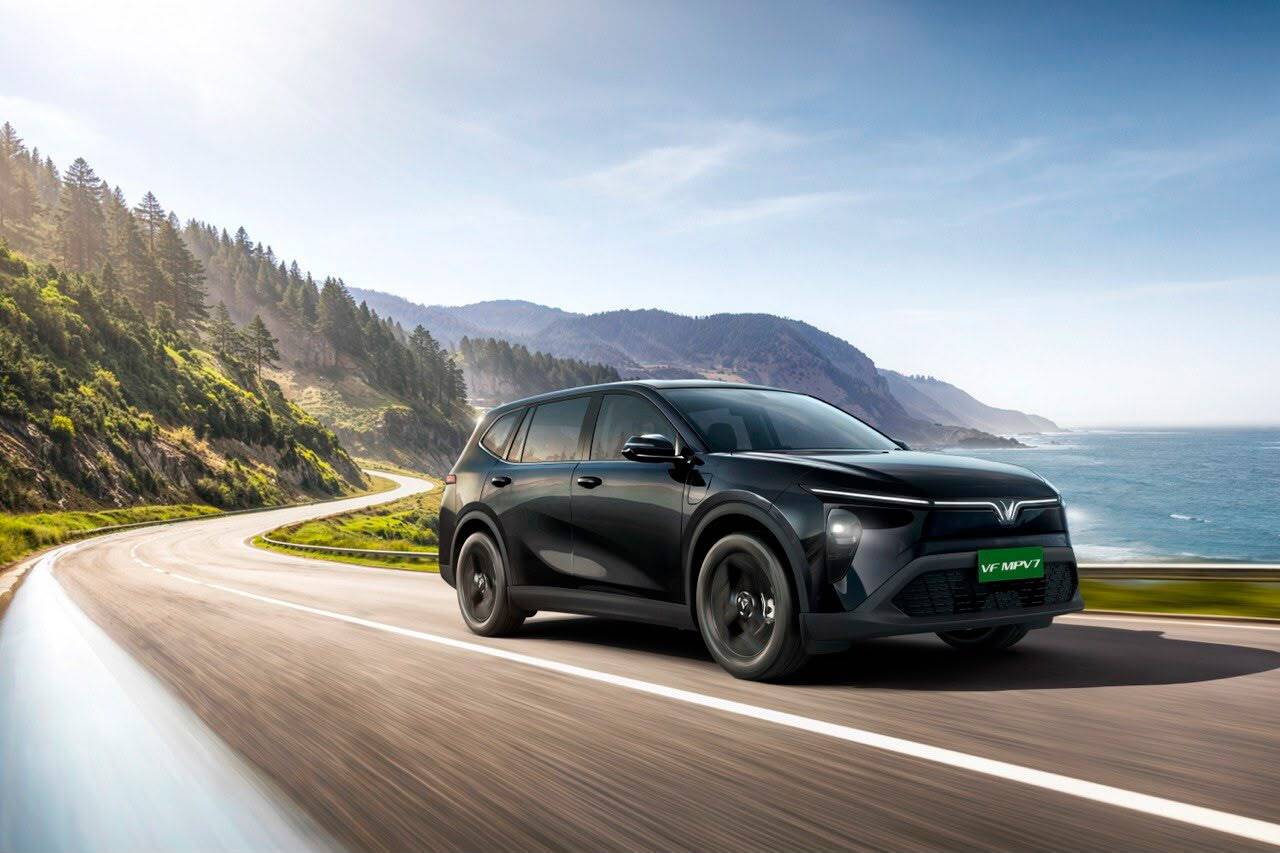
 Free charging through March 2029 could save VF MPV 7 owners lakhs of rupees in energy costs, while free maintenance, long warranties and seven-seat practicality strengthen the total cost of ownership case.
As more automakers bring electric MPVs and three-row SUVs to market, the conversation is shifting from launch offers to whether charging infrastructure can keep pace with family buyers’ expectations.
For much of India’s electric vehicle transition, the spotlight has remained firmly on compact SUVs. But another category is quietly gathering momentum. The three-row family vehicle, long the preserve of diesel MPVs and large SUVs, is beginning its own transition to electric mobility, with almost every major manufacturer preparing an entry.
Until the beginning of 2026, buyers looking for an electric seven-seater had virtually no choice. That is changing rapidly. The launch of the VinFast VF MPV 7 earlier this year, alongside models such as the Kia Carens Clavis EV and MG M9, marks the beginning of what could become one of India’s fastest-growing EV segments. Tata Motors, Maruti Suzuki and JSW MG are also preparing new three-row electric offerings over the next 12 to 18 months.
The pace of launches suggests automakers see significant headroom in a segment where larger families, fleet operators and chauffeur-driven buyers have traditionally relied on internal combustion vehicles. The question now is less about product availability and more about whether ownership economics and charging infrastructure are mature enough to support mainstream adoption.
A segment begins to take shape
The seven-seater EV market today spans multiple price points. VinFast’s VF MPV 7 entered the market at ₹24.49 lakh (ex-showroom) with a 60.13 kWh battery and a claimed MIDC-certified range of 517 km. At the premium end sits MG’s M9, while Mahindra has expanded its electric portfolio with larger SUV offerings. Tata’s Safari.ev and Maruti Suzuki’s three-row electric MPV, based on the e Vitara platform, are speculated to arrive over the coming year.
Within a relatively short period, India could move from having a single mainstream electric people mover to half a dozen competing products.
That mirrors the evolution of the electric SUV market, where increased model availability has gradually shifted consumer conversations away from range anxiety alone towards ownership costs, charging convenience and long-term value.
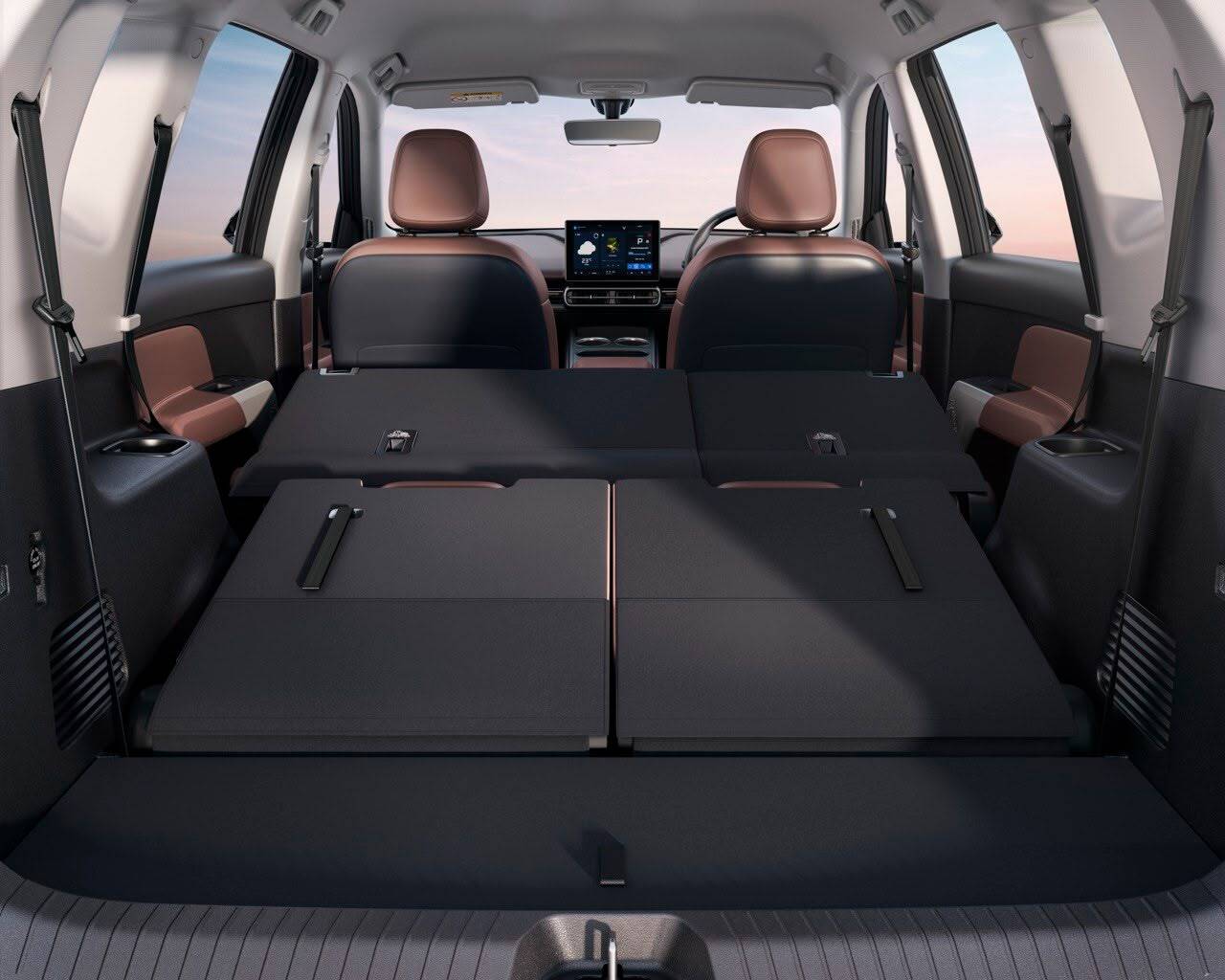 Running a seven-seater for an Indian family can easily mean spending thousands of a month on fuel, even more.
Beyond launch offers
To encourage early adoption, manufacturers have increasingly bundled EVs with complimentary charging, extended warranties and maintenance packages. VinFast’s decision to offer free charging through its V-Green network until March 2029 is one such example.
While these schemes reduce ownership costs, they also illustrate a broader trend. Automakers are attempting to lower the perceived risk of switching to electric mobility, particularly in segments where buyers typically expect vehicles to cover long distances with large families on board.
However, the economics suggest that free charging is only part of the equation.
For a user driving around 1,500 km every month, a vehicle such as the VF MPV 7 would consume roughly 175 kWh of electricity. Even when charged entirely at home using retail electricity tariffs, monthly energy costs remain substantially lower than running a comparable petrol MPV. Over a little under three years, the savings from electricity versus petrol can exceed ₹2 lakh under typical usage assumptions.
Against that backdrop, complimentary charging contributes additional savings, estimated at roughly ₹45,000 over the same period for a heavy user, but represents only a fraction of the overall operating cost advantage that electric vehicles already enjoy. Actual savings, of course, depend on driving patterns, electricity tariffs and how frequently owners use public charging instead of home charging.
The implication is that promotional charging offers may help accelerate purchase decisions, but they do not fundamentally alter the underlying economics of EV ownership.
Infrastructure remains the bigger question
If running costs increasingly favour electric vehicles, charging availability remains the industry’s larger challenge.
Family-oriented vehicles are expected to undertake intercity journeys, holiday travel and unpredictable long-distance usage far more frequently than urban commuter cars. That places greater emphasis on the reliability and geographical spread of public charging networks.
Government data indicates that India had over 22,000 operational public charging stations by March 2026, although other industry estimates place the figure significantly higher when additional installations are included. Even using the higher estimate, the ratio of public chargers to registered EVs remains well below international benchmarks. Public infrastructure also remains concentrated in a handful of states, leaving significant regional disparities.
While programmes such as PM E-DRIVE aim to accelerate charger deployment, and private operators including Tata Power, Statiq, ChargeZone and Jio-bp continue expanding their networks, infrastructure growth still trails the pace of EV adoption.
For buyers considering a three-row electric vehicle as the family’s primary car, this remains a more significant consideration than temporary promotional benefits.
The next phase of EV adoption
The arrival of multiple seven-seater EVs signals a broader shift in India’s electric vehicle market. Early EV adoption was largely driven by urban commuters seeking lower running costs. The next phase will require convincing buyers who expect one vehicle to serve school runs, office commutes, weekend travel and long highway journeys alike.
That changes the competitive equation. Battery size and driving range will remain important, but so will warranty coverage, service support, charging accessibility and overall ownership experience.
In that context, free charging programmes, extended warranties and maintenance packages are becoming less of a unique differentiator and more of an expected part of the ownership proposition across manufacturers.
As the segment expands over the next two years, the winners are likely to be determined less by introductory incentives and more by how effectively they address the practical realities of owning a family-sized EV in India. The products are arriving quickly. Whether charging infrastructure can keep pace may ultimately determine how fast the country’s seven-seater EV market moves from early adoption to the mainstream.