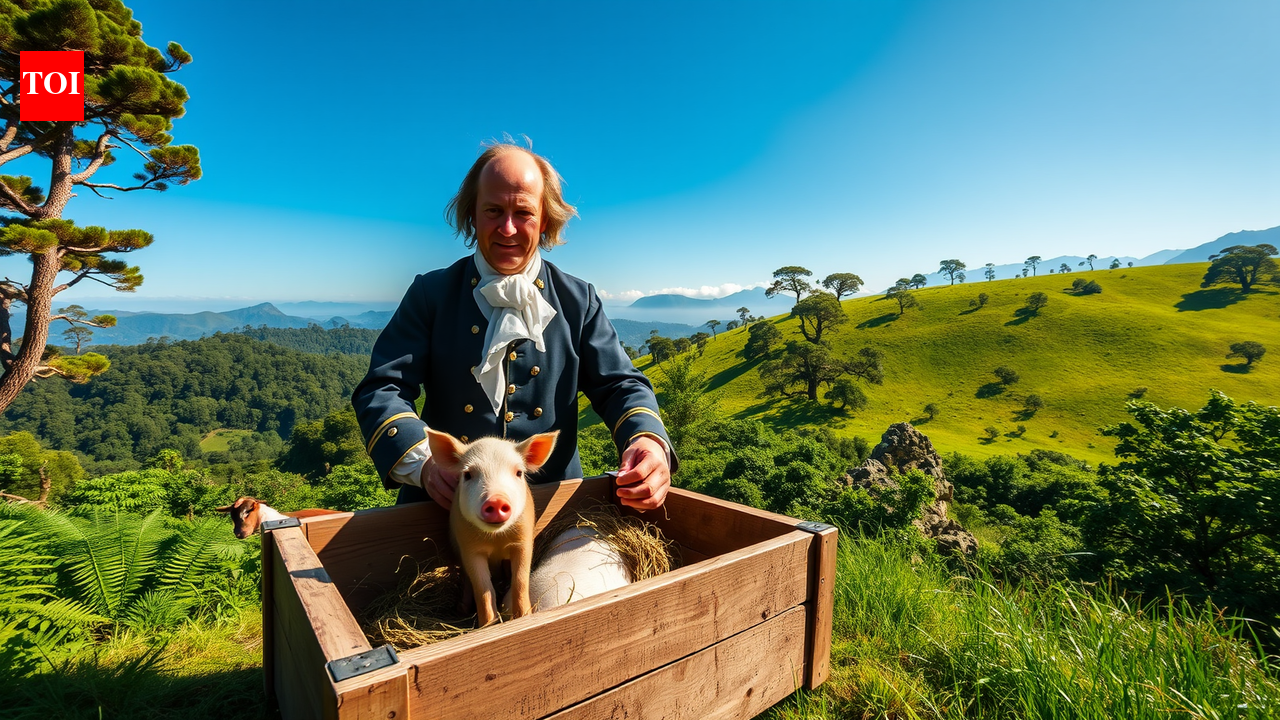

When Captain James Cook sailed through New Zealand’s Marlborough Sounds during his second and third voyages in the 1770s, he deliberately released pigs and goats into the bush, hoping to establish a self-sustaining source of meat for future European sailors who might pass through the region. Cook could not have known that these animals would go on to multiply far beyond anyone’s expectations, spreading across both main islands and eventually causing serious damage to the native forests and wildlife that New Zealand’s ecosystems had evolved without any land mammals present at all. Their descendants are still found across the country today, and wild pigs in the South Island are still commonly known as Captain Cookers, a name that directly credits the explorer with their unintended legacy.
Why Captain Cook released pigs and goats in New Zealand
According to Te Ara, the Encyclopedia of New Zealand, Cook released many boars and sows during his second and third voyages, most of them set loose in Queen Charlotte Sound, while two breeding pairs were also gifted directly to the Hawke’s Bay chief Tuanui. Cook also released a breeding pair of goats in 1773 and another pair in 1777, alongside chickens given to local Māori communities near Cape Kidnappers and left in Queen Charlotte Sound.The reasoning behind these releases reflected a common practice among European explorers of this period. By deliberately establishing breeding populations of useful livestock on islands they visited, sailors hoped to guarantee a future food source for any ship that might later find itself stranded or in need of resupply in the same waters, long before permanent European settlements existed in New Zealand.
How Captain Cookers spread and began damaging native bush
According to Te Ara, wild pigs in New Zealand, most likely originating from Cook’s original releases, are generally known as Captain Cookers, distinguishing them from a separate, smaller breed called the kunekune. Descended from old English breeds including the Tamworth, Berkshire and Large Black, Captain Cookers thrived in New Zealand’s forests, with their numbers increasing rapidly between 1840 and 1880 before eventually declining as available food became more scarce.Their impact on the local environment was significant. Te Ara records that Captain Cookers damaged pastures and crops, killed lambs, and destroyed the habitats of native species including kakapo, a flightless parrot, along with native land snails. Their rooting behaviour, digging into the ground with their snouts in search of food, disturbed soil and vegetation across large areas of native bush, a pattern of damage that has continued into the present day and remains a target of ongoing pest control efforts.
Why goats have proven just as damaging to New Zealand’s landscape
Goats released by Cook and later introduced by settlers followed a similar pattern of unchecked spread. According to the New Zealand Department of Conservation, goats were brought into New Zealand not only for food but also to establish a commercial fibre industry and to help control weeds on land being cleared for farming. Descendants of goats that escaped or were deliberately released thrived across the country’s grass hills, forest and scrubland, and wild goats are today classified as pests under New Zealand’s Wild Animal Control Act 1977.The Department of Conservation notes that wild goats now occupy roughly 14 per cent of New Zealand’s land area, about half of it on public conservation land, ranging from sea level all the way up to alpine zones. Their grazing habits make them particularly damaging to native vegetation, since goats will strip bark, seedlings and undergrowth that native forest ecosystems rely on to regenerate naturally.
Why New Zealand’s isolated ecosystem was so vulnerable
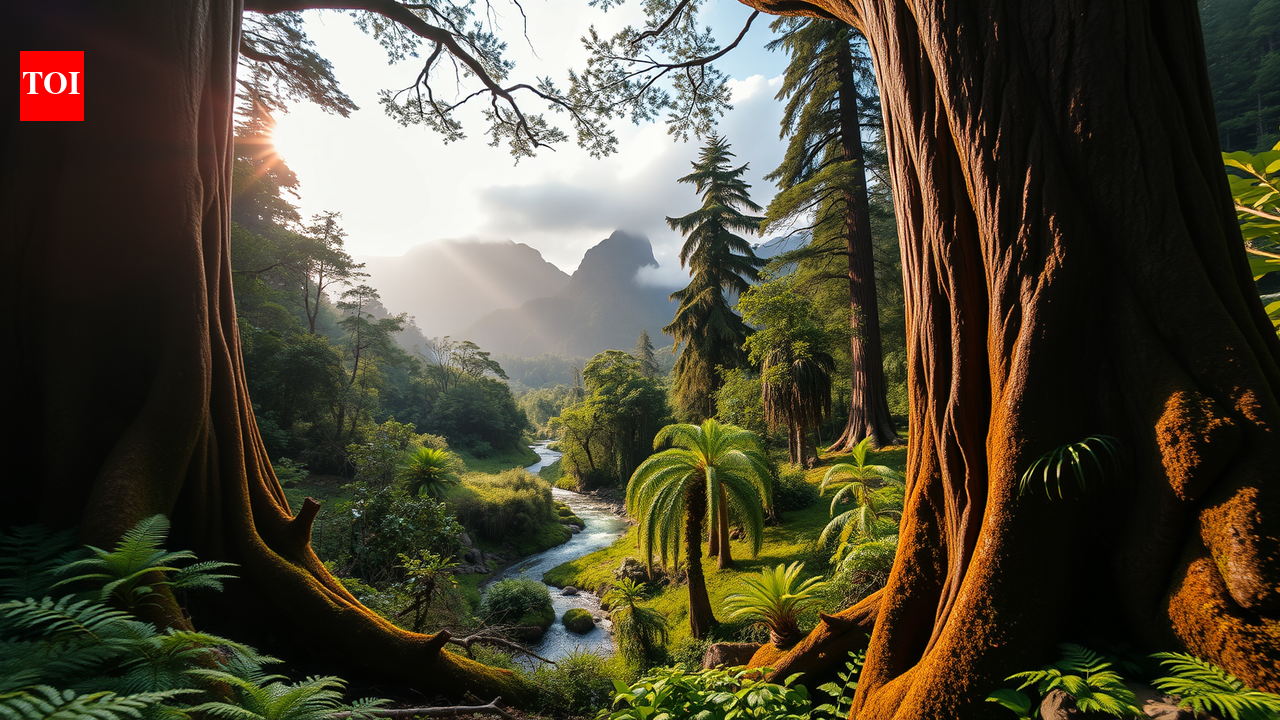
New Zealand’s native plants and animals evolved for millions of years in complete isolation, largely without land-based mammalian predators or grazers of any kind. This left native birds, insects and plant species with few natural defences against animals like pigs and goats, which arrived with no natural predators of their own once released into the New Zealand bush. The result was an ecosystem particularly susceptible to disruption once these introduced species began breeding and spreading unchecked.This vulnerability helps explain why introduced mammals, whether Cook’s original pigs and goats or later arrivals brought by settlers, whalers and sealers, have had such an outsized and long-lasting impact on New Zealand’s native forests, compared to their effects on ecosystems elsewhere in the world that evolved alongside large grazing and rooting mammals.
Why Captain Cook’s introductions still matter today
More than two and a half centuries after Cook’s voyages, the descendants of the animals he released remain part of an ongoing conservation challenge in New Zealand. Wild pigs and goats continue to be actively hunted and managed as pest species across large parts of the country, with government agencies working to limit the damage they cause to native forests, farmland and vulnerable wildlife populations.Cook’s original intentions, ensuring a reliable food source for future sailors navigating the Pacific, reflected a common and, for the time, practical approach among 18th-century explorers. Yet the long-term ecological consequences of those releases illustrate how even well-meaning human interventions can permanently reshape an isolated ecosystem, a legacy that New Zealand continues to manage more than 250 years later. Go to Source