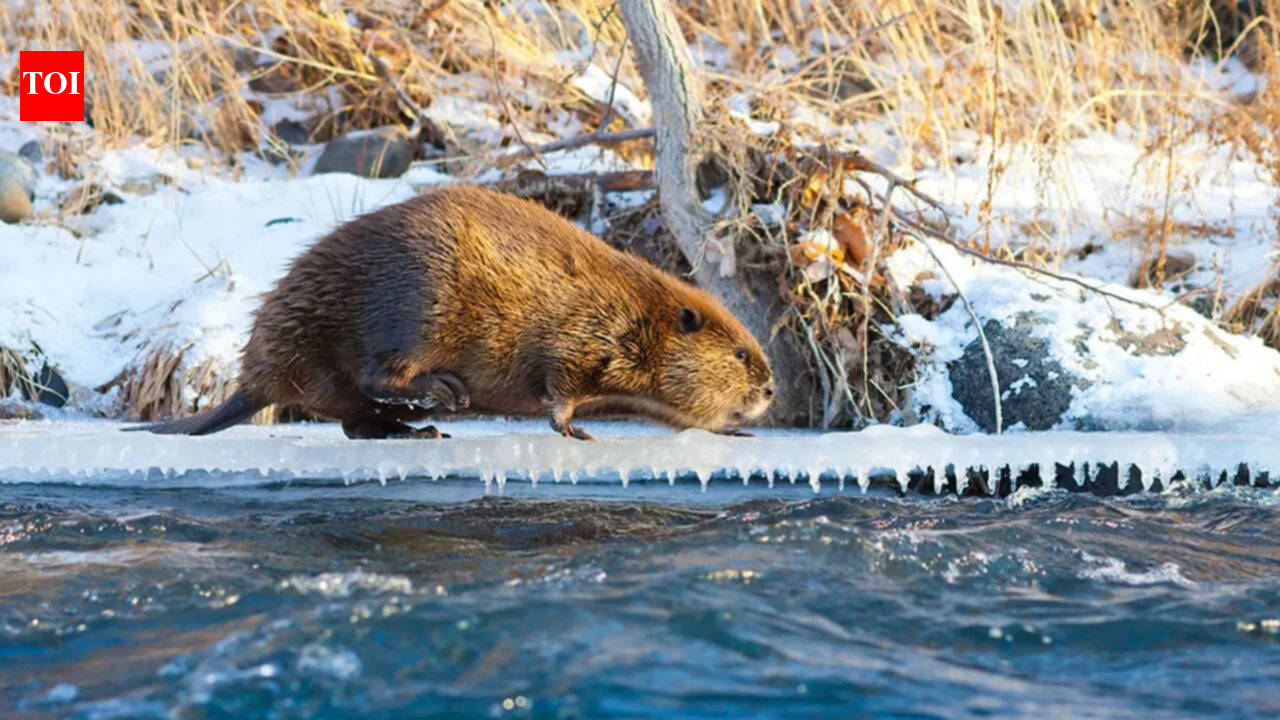

North American beavers began colonising parts of Arctic in 2008. (Getty images)
Beavers who are normally found in forests and woodlands, are steadily moving farther north into the Canadian Arctic. A new study has found out when they reached different parts of the Arctic by studying scars on shrubs and comparing them with satellite images showing changes in water bodies.The study, published in the journal Ecosphere, focused on a remote region in Canada’s Northwest Territories, Science X reported. Researchers combined two methods including tree-ring analysis, known as dendrochronology, and satellite observations to build a timeline of their activity.The findings suggest that North American beavers (Castor canadensis) began colonising parts of the area in 2008. Researchers say this approach could help scientists understand how wildlife is spreading into regions where there are few long-term records and could also help monitor environmental change.
Beavers are changing Arctic
Beavers are often described as ecosystem engineers because they can reshape the places where they live. They build dams across streams and rivers, creating ponds.Thee changes can have wide-ranging effects. Beaver dams can also influence the stability of permafrost, which is permanently frozen ground found across much of the Arctic. It can also affect fish habitats and water flow.Scientists believe the northward expansion of beavers is linked to climate change. As temperatures rise, the Arctic is seeing more shrubs grow across the tundra.Shrubs such as willow (Salix) and alder (Alnus) provide both food and building material for beavers. As these plants become more common, the landscape becomes more suitable for the animal.
Shrubs recorded when beavers arrived
A team of Anglia Ruskin University in Cambridge, England, worked with the Imaryuk Monitors, an Indigenous environmental guardian and monitoring group in the Inuvialuit Settlement Region of Canada’s Northwest Territories.Researchers surveyed the area stretching from Inuvik to Tuktoyaktuk on the coast of the Arctic Ocean. During their fieldwork, they recorded 60 beaver lodges or dam sites.They also collected stems from willow and alder shrubs that had been chewed by beavers. Beavers leave scars on plants they chew which becomes preserved within the shrubs’ annual growth rings. By analysing the rings, scientists could find the year when each scar was formed.The researchers futher compared the shrub samples with regional growth-ring records covering 1973 to 2023 for willow and 1968 to 2023 for alder. This helped them identify when beavers first occupied different sites. Their analysis showed evidence of beaver colonisation beginning in 2008.
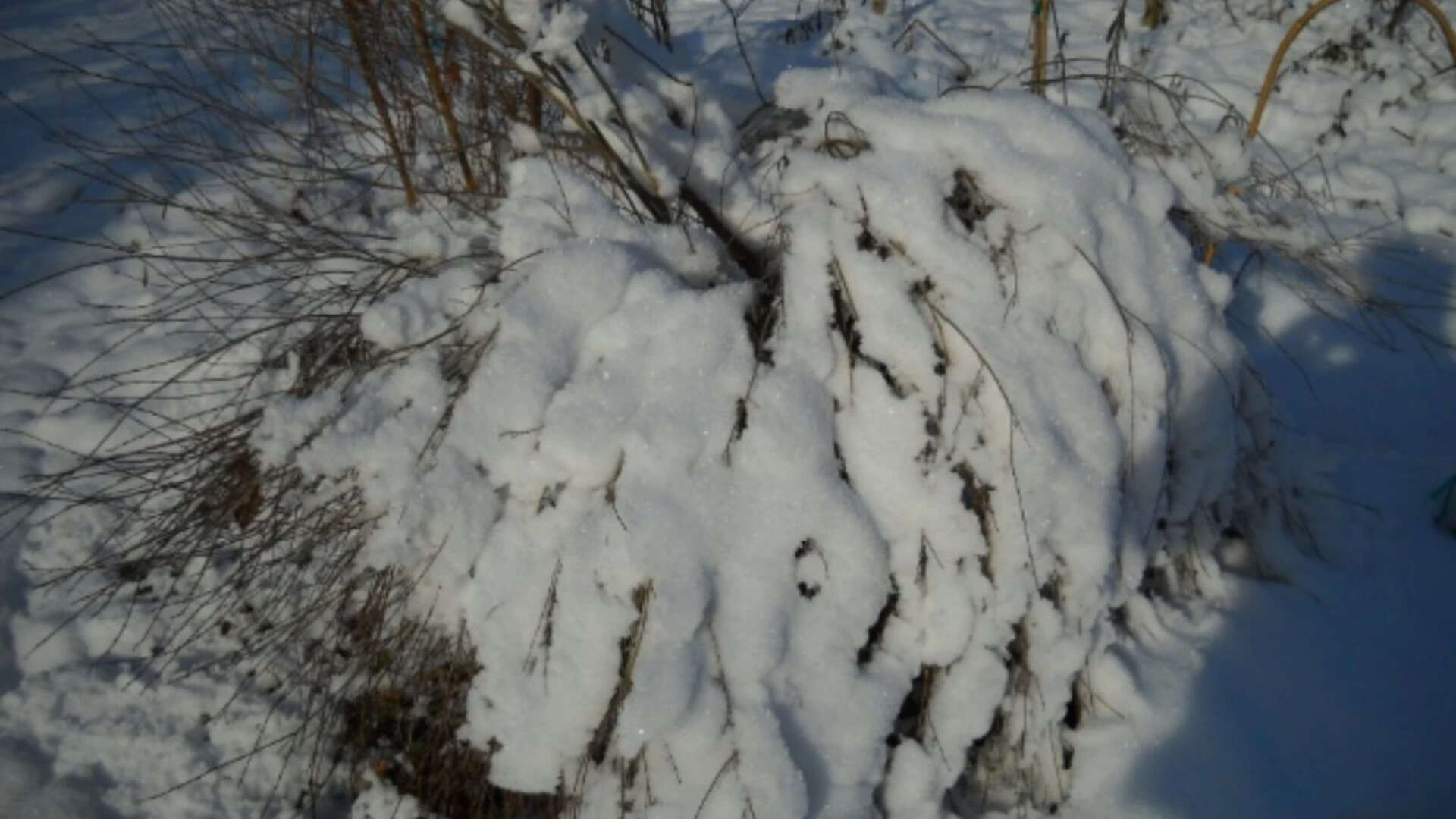
Beavers leave scars on plants they chew. (Representational photo of Arctic williow)
Satellites confirmed major changes
The team also used satellite images to study how water bodies had changed over time. At one large beaver lodge and dam complex, satellite data showed a sudden increase in surface water between 2015 and 2019. The timing matched the period when shrub samples showed heavy beaver browsing at the same location.Because both methods pointed to the same period of activity, the researchers say this provides strong evidence that beavers were responsible for the changes seen in the landscape.The combination of ground observations and satellite data gave scientists greater confidence in reconstructing the animals’ history in the region.
Beavers write history
Lead author Dr Georgia Hole, who carried out the research while at Anglia Ruskin University and is now based at Durham University, said one of the biggest challenges in Arctic research is the lack of long-term records.”In the Arctic, we often lack the historical baselines needed to understand ecological change. This study shows how we’ve developed an approach to reconstruct that missing history,” she said.Dr Hole explained that beavers leave behind a record of their activity every time they cut shrubs or build dams.”Beavers effectively write their history into the landscape with each shrub they cut and every pond they create by damming streams. By dating browsing scars in willow and alder using dendrochronological techniques, and linking these to hydrological changes detected in satellite imagery, we’re able to pinpoint when and where beavers were present,” she said.”Our findings demonstrate a powerful new way to track past beaver colonisation in Arctic regions that are rapidly transforming under climate change.”The researchers say this method could be especially useful in remote regions where scientists have not been able to carry out regular field observations over many years. Go to Source