


The ongoing student movement in India has intensified, with demands for accountability in the country’s examination system dominating the national political discourse. Social activist Sonam Wangchuk, who has been on an indefinite hunger strike since June 28, continues to press for reforms in education and transparent action over alleged examination irregularities, including the NEET paper leak controversy. According to sources, Union Minister JP Nadda and Union Minister Jitendra Singh visited Wangchuk at a private hospital in Gurugram, where he is currently receiving medical care after being shifted from Safdarjung Hospital following directions from the Delhi High Court. During the visit, the ministers reportedly enquired about his health and received updates from doctors. Wangchuk’s protest also calls for greater government accountability on issues affecting students and seeks action against those responsible for alleged lapses in the examination process. Meanwhile, the issue has sparked heated exchanges between the government and the opposition, with Parliament witnessing repeated confrontations over the matter. The government has maintained that it is prepared to discuss every concern related to the education system, while opposition leaders continue to demand stronger action and comprehensive reforms. Political statements from both sides have further escalated the debate, reflecting the growing significance of student-related issues in the national conversation. As protests and political reactions continue, attention remains focused on possible policy changes aimed at strengthening examination integrity, restoring public confidence, and addressing concerns raised by students across the country. The developments surrounding Wangchuk’s health and the government’s outreach are expected to play a crucial role in shaping the next phase of discussions on education reforms.
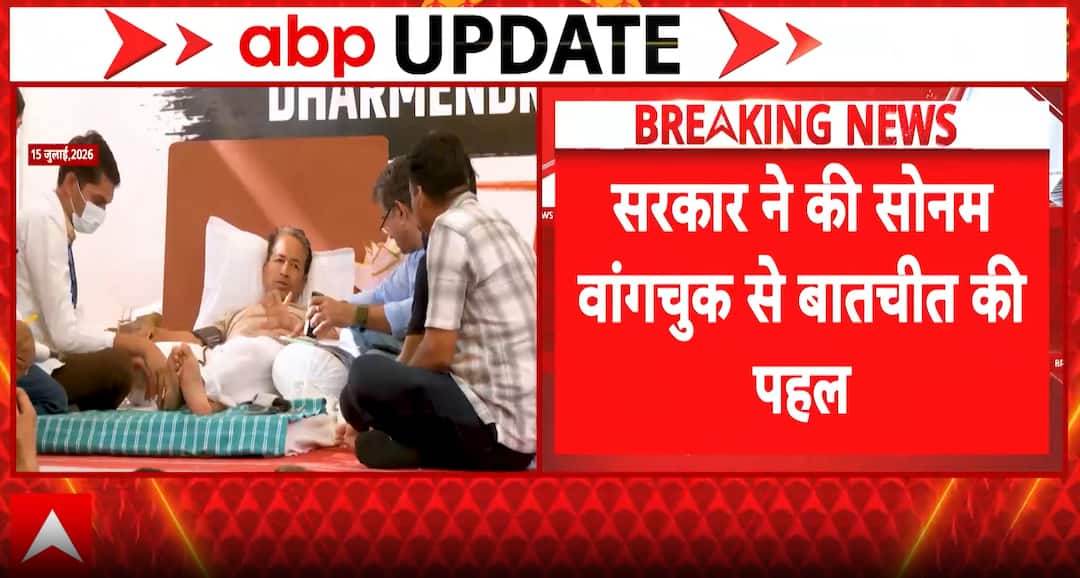
Breaking: Govt Reaches Out as JP Nadda Meets Fasting Sonam Wangchuk Amid Student Protest Wave
Previous article
Next article
