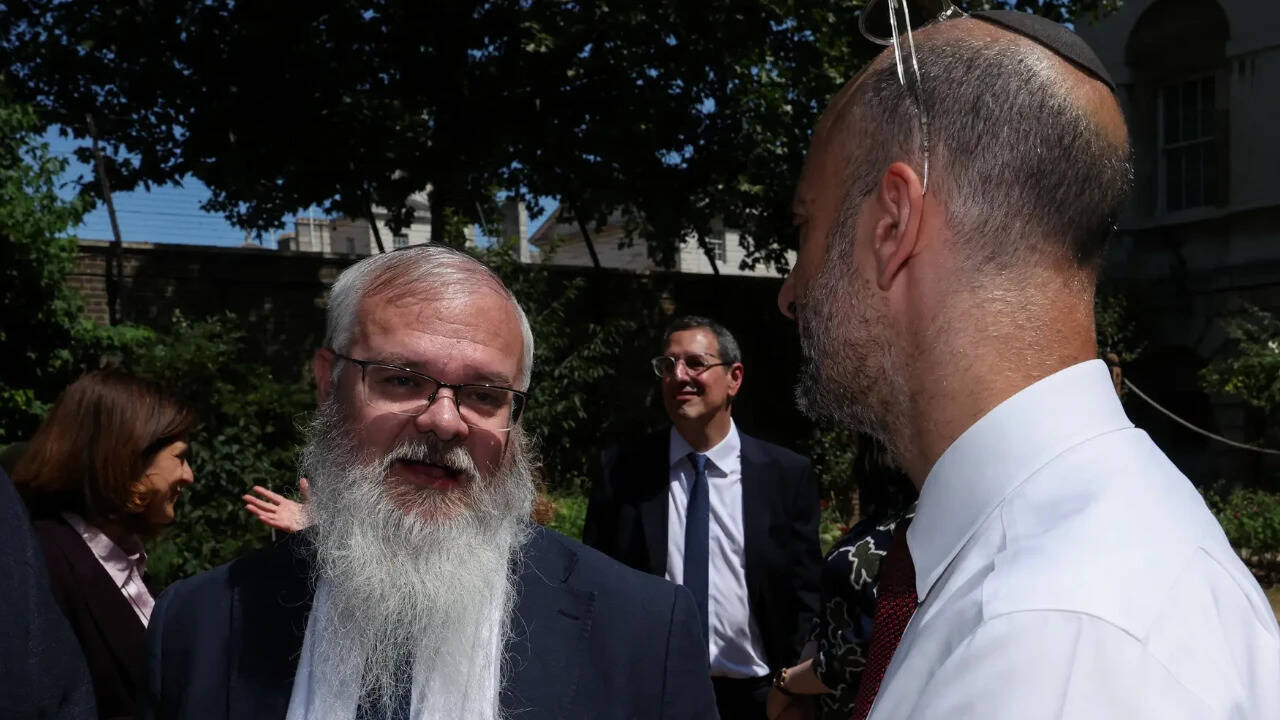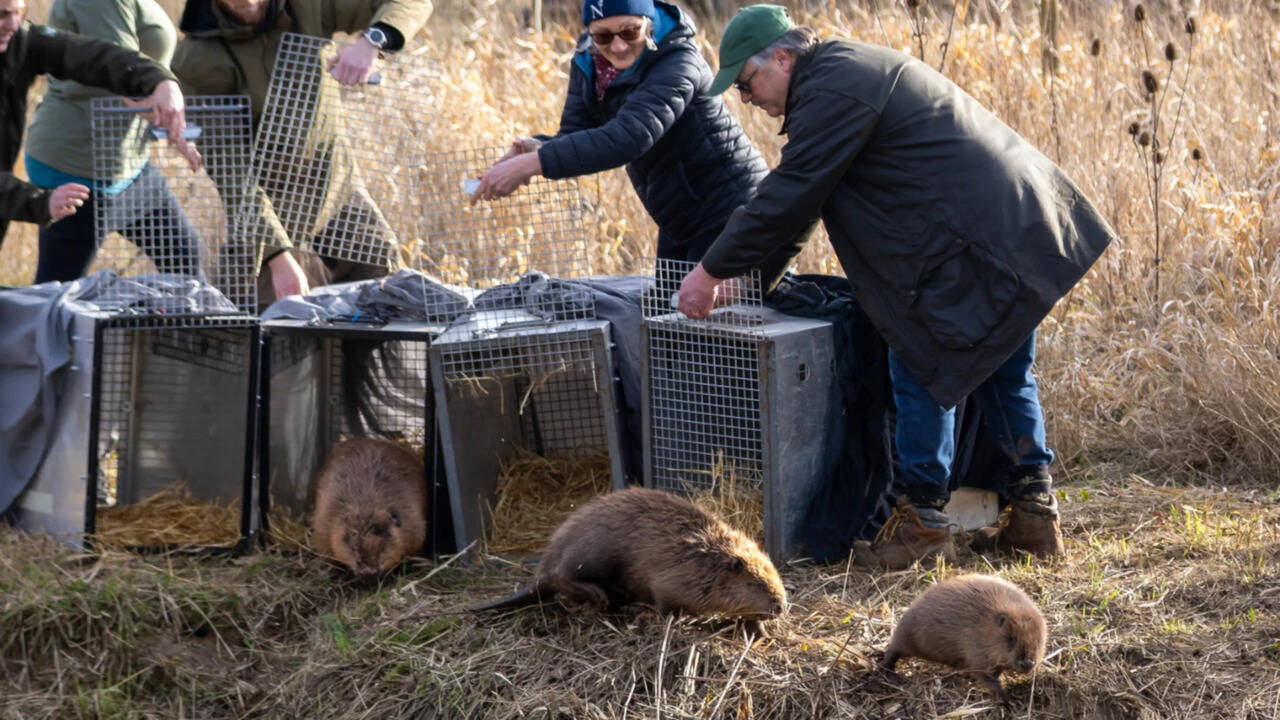

Beavers are finally released at Boothby Wildland. Photograph: Jonathan Perugia/Gaia Visual for Nattergal
A bold experiment in Lincolnshire (County in England) is showing that restoring British nature can become a highly profitable business, with a planned beaver colony at the centre of a multimillion-pound land transformation, reports the Guardian.Four years after conservation company Nattergal bought the struggling 1,525-acre Boothby Lodge Farm for £13.8 million, the landscape is going through a complete ecological transformation. By stopping traditional farming, removing old drainage systems and planning to introduce natural ecosystem builders, the project aims to prove to doubtful farmers and investors that solving the environmental crisis can also create major private income.
The beaver business plan
The most debated part of Boothby’s change from an intensive farm into a wildland is the plan to bring back beavers. At a workshop held on the property, 18 local farmers and landowners met to discuss introducing the species to a 2km stretch of river that decades of intensive farming had straightened into a simple drainage channel.Because the government has not yet approved the free release of this returning native species into the wild in England, Nattergal has created Britain’s largest secure beaver enclosure to house them. The plan initially faced strong opposition. Local landowners raised concerns after hearing stories of beaver dams flooding valuable farmland in Scotland and worried about what could happen if the animals moved into nearby commercial fields.Beaver expert de Klee directly addressed these concerns during the meeting, explaining that while escapes had happened at other fenced sites in England, the animals were always successfully captured and returned.“We’ve no interest in beavers escaping on to your land because we need them here to do this work,” de Klee told the farmers.Nattergal sees the animals as important natural workers rather than just a conservation project. Once introduced, the beavers will build dams, create wetlands, slow water flow to reduce winter flooding, and help maintain water supplies during dry summers.As the information was explained, farmers’ slowly started to take interest. They asked how quickly beavers reproduce, how they affect fish numbers, whether they harm ground-nesting birds, and how they live alongside otters.
Reversing a ‘ruined’ landscape
The scale of the challenge at the site, south of Grantham, is huge. When investors and land agents first visited the property in June 2022, they found a landscape with almost no wildlife.The site had three huge steel barns, an unattractive red-brick farmhouse with small windows, and dry, damaged fields of wheat and beans. During a two-and-a-half-hour walk across the property, visitors did not see a single insect or meet another person.“This is a ruined landscape,” said architectural historian Matthew Rice, who joined the first visit. “Not because of the soils. Because there are no people here. I’m sorry there are not enough stoats but I’d like there to be some children here, too.”
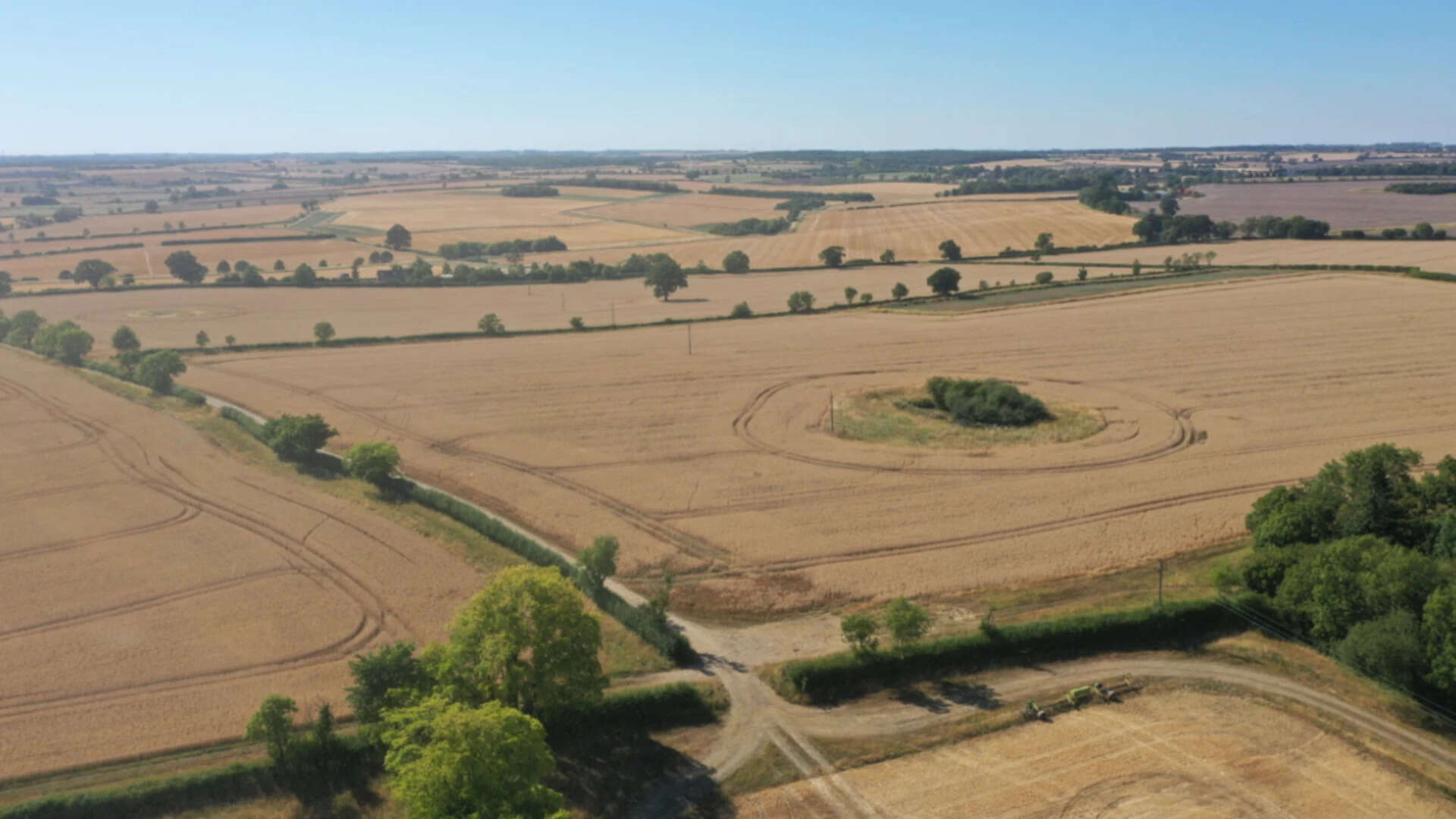
Boothby Lodge Farm before the rewilding project began. Photograph: Gaia Visual for Nattergal
Before it was sold, the land belonged to an absentee landlord and was managed by a contract farmer who brought heavy machinery onto the clay soils only a few days each year. More than 92 per cent of the farm was used for crops, while the remaining three per cent of woodland was used only for commercial pheasant shooting.To prepare the damaged landscape for the beavers, Nattergal decided to completely move away from thousands of years of traditional farming. The project stopped planting crops, banned artificial fertilisers and pesticides, and used machinery to break up underground drainage systems that generations of farmers had built to remove water from the land. Without intensive management, plants and weeds quickly returned, transforming the area into Boothby Wildland.
Moving away from subsidies
The major changes at Boothby also bring back a financial challenge faced in traditional British farming. Under its previous system, the farm earned £250,000 in yearly profit, but half of that income came from the government’s basic payment subsidy, which paid landowners mainly based on the amount of land they owned.This traditional subsidy system will completely end by 2027. After post-Brexit environmental reforms introduced by former environment secretary Michael Gove, landowners will only receive “public money for public goods” if their land provides clear environmental benefits, such as healthier soils, cleaner water or wildlife-rich hedgerows.Intensive farming has been a major cause of Britain’s biodiversity decline. Over the past century, England and Wales have lost 98 per cent of their wildflower meadows, half of their ancient woodlands, half of their lowland ponds, and 90 per cent of their freshwater wetlands.The person leading the effort to reverse this damage is Sir Charles Raymond Burrell, the 10th Baronet and co-founder of Nattergal. Known as Charlie, Burrell previously developed this rewilding approach at his 3,500-acre Knepp estate in West Sussex.In 2000, Burrell and his wife, Isabella Tree, faced strong criticism from neighbours when they decided to rewild their struggling Sussex estate. Today, Knepp is one of Britain’s leading conservation examples, providing a home for rare nightingales, turtle doves, white storks and purple emperor butterflies. It also runs a successful ecotourism business, produces free-range meat, and employs far more people than it did as a traditional farm.
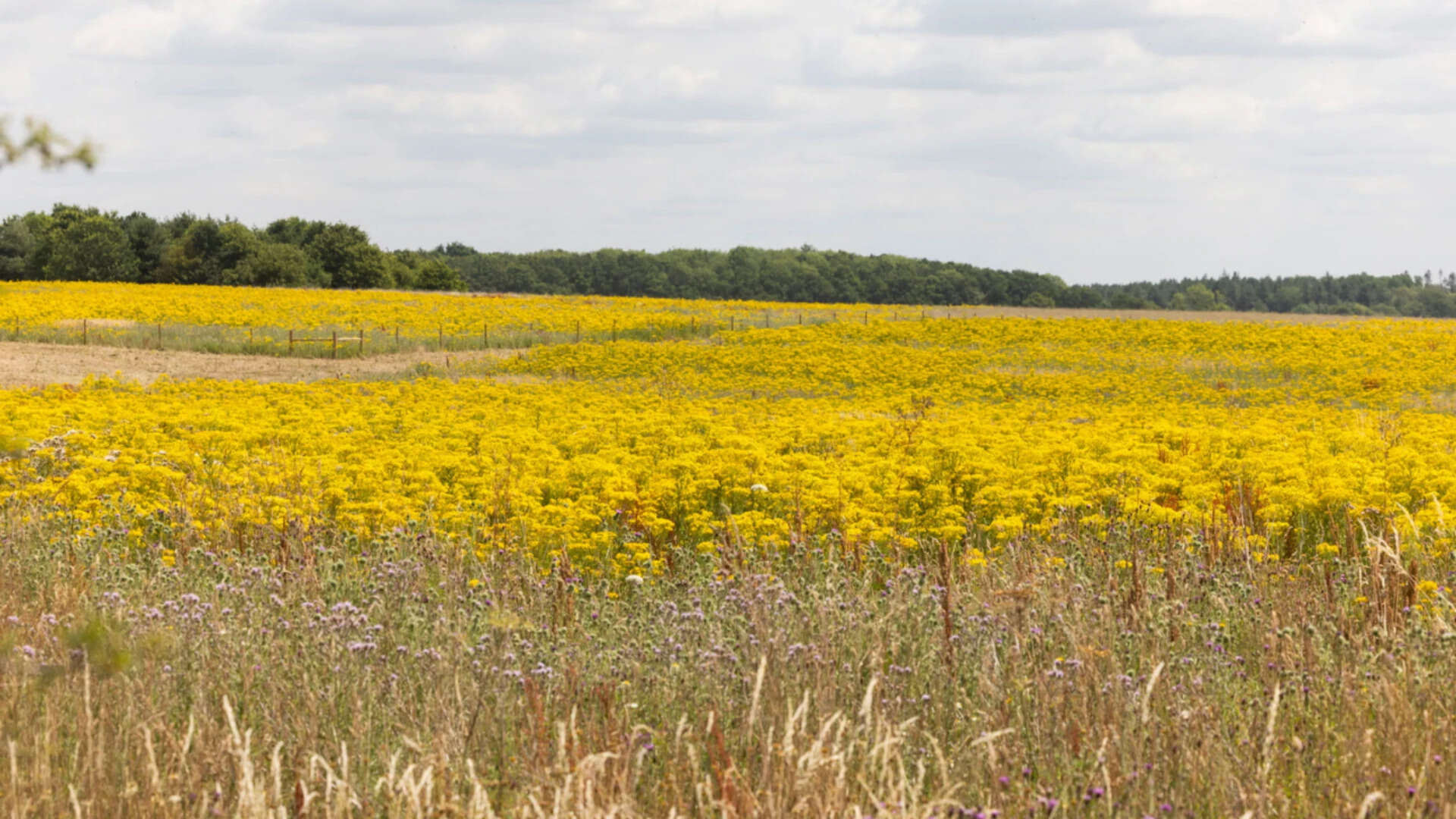
Fields of ragwort by the village of Ingoldsby. Photograph: Fabio De Paola/The Guardian
Nature as a corporate asset
Burrell’s goal in Lincolnshire is to show global financial markets that restoring nature can be a reliable, profitable business that attracts major private investment.Government approval delays and slow fencing work meant the beavers had still not arrived at the site. However, the business model behind Boothby Wildland is already generating significant income.Nattergal has secured a £1 million deal with engineering company Arup for high-quality carbon removal credits over the next 30 years. These credits were sold at a higher price than normal market rates because Boothby provides more than carbon storage; it also creates wildlife habitats, reduces flood risks, and supports local communities.The project has also created agreements to sell biodiversity net gain (BNG) units to developers. Under UK planning rules, developers must compensate for environmental damage, and Boothby is currently able to provide 1,413 BNG units. With more housing and infrastructure projects planned across Lincolnshire, these units could have a potential value of more than £35 million. Go to Source