
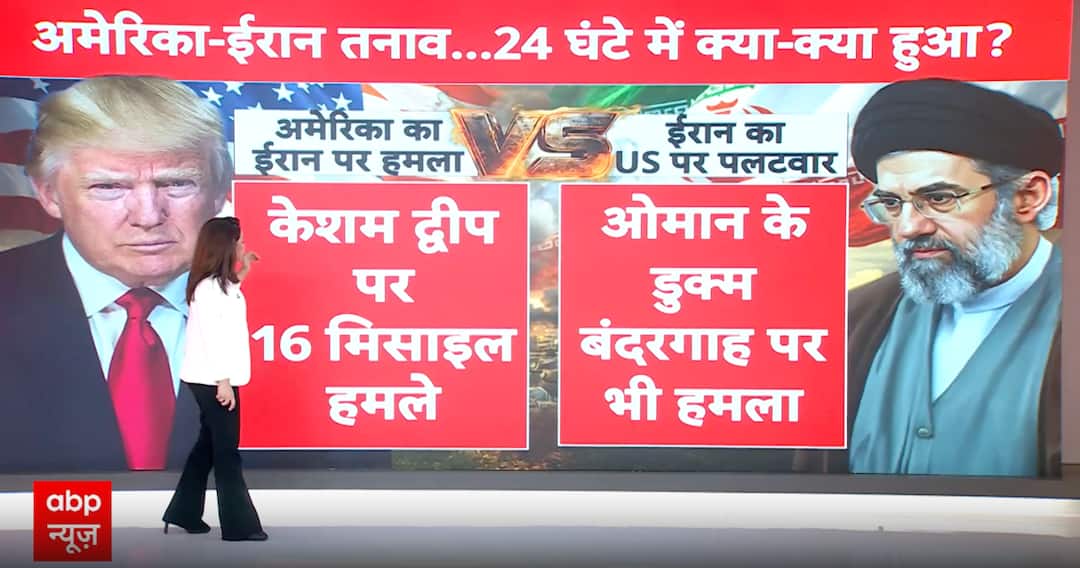

Military tensions between the United States and Iran have escalated sharply over the past 24 hours, with fresh claims of large-scale strikes, retaliatory missile attacks, and growing concerns over regional stability. According to official US military statements, American forces targeted more than 140 Iranian military locations, while Iran reportedly responded by launching attacks linked to US military facilities across the Gulf region and targeting strategic assets. Reports indicate that missile strikes were carried out around Qeshm Island, while additional attacks were claimed near key maritime and military locations, including infrastructure associated with regional energy and logistics networks. Iranian-linked operations also reportedly targeted US missile launch systems, further intensifying the confrontation. Meanwhile, damage to power infrastructure and disruptions affecting thousands of locations have been reported, although the full extent of the destruction remains under independent verification. The military escalation has also affected regional energy infrastructure. Reports suggest damage to oil-related facilities in Kuwait, with at least one worker reportedly injured. Concerns over the security of the Strait of Hormuz—one of the world’s most critical oil transit routes—have heightened fears of potential supply disruptions. Global financial markets reacted swiftly as investors weighed the risk of a prolonged conflict. Crude oil prices climbed sharply during the trading period, reflecting uncertainty over energy supplies and geopolitical stability. Analysts warn that any further disruption to Gulf shipping lanes could trigger additional volatility in oil markets, transportation costs, and inflation worldwide. With diplomatic efforts showing little progress, governments across the globe continue monitoring developments closely. Investors, energy traders, and policymakers remain focused on the next moves by Washington and Tehran, as further military escalation could have far-reaching consequences for regional security and the global economy.


