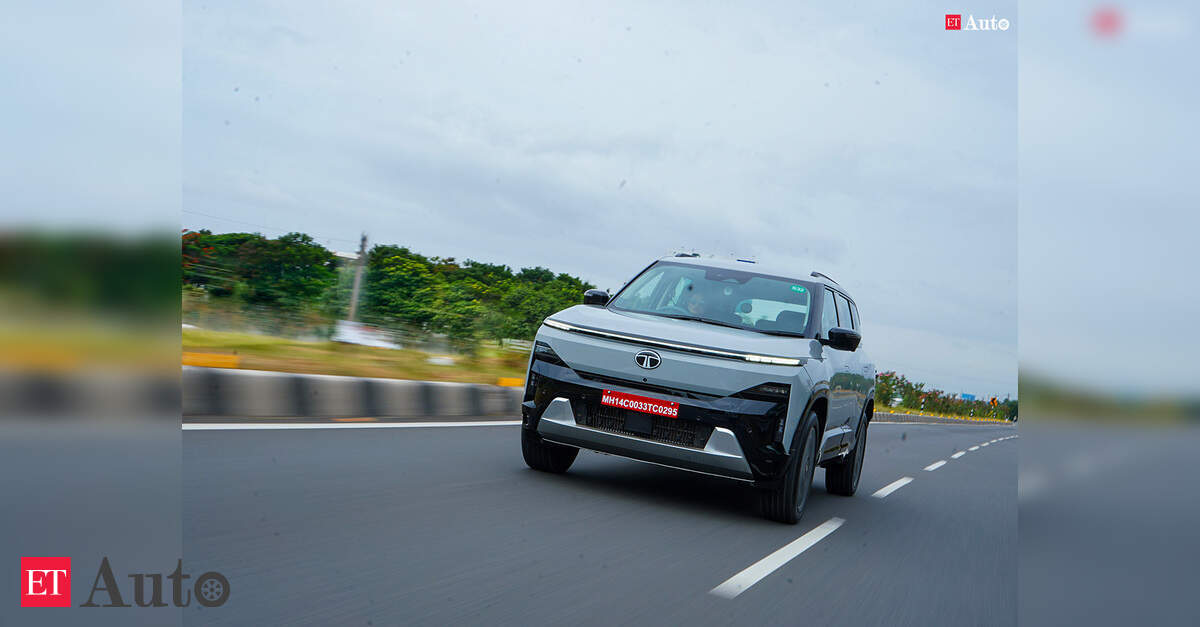

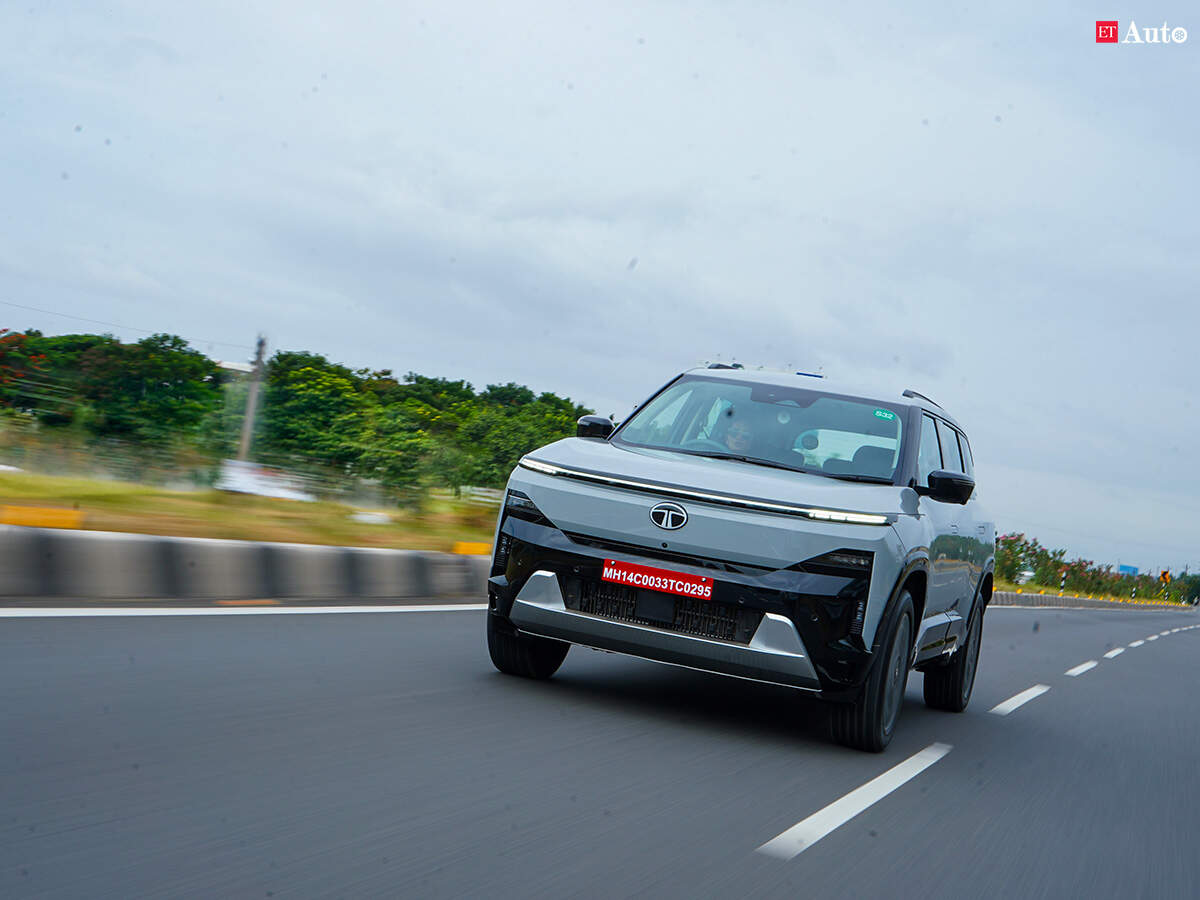
 Tata Sierra EV
Reviving an iconic nameplate is a delicate balancing act. Lean too heavily on nostalgia and it feels dated; chase modernity too aggressively and the original identity is lost. Tata Motors has managed to strike that balance with the Sierra EV.
Built on the Acti.ev platform, the all-electric Sierra retains signature elements like the wraparound rear glass but pairs them with modern battery technology, connected features and, for the first time, a dual-motor all-wheel-drive setup.
ETAuto drove the Sierra EV in Coimbatore across city roads, highways and a few rough patches. While the 80km drive wasn’t enough to judge long-term efficiency, it was sufficient to establish one thing: the Sierra is no nostalgia trip—it wants to compete on its own merits.
Design: Heritage, done right
The Sierra stands out without trying too hard. The upright stance, squared-off proportions and signature glasshouse give it a distinct identity in a market full of coupe-inspired SUVs. Rather than recreating the original, Tata has reinterpreted it, resulting in a design that feels contemporary first and nostalgic second.
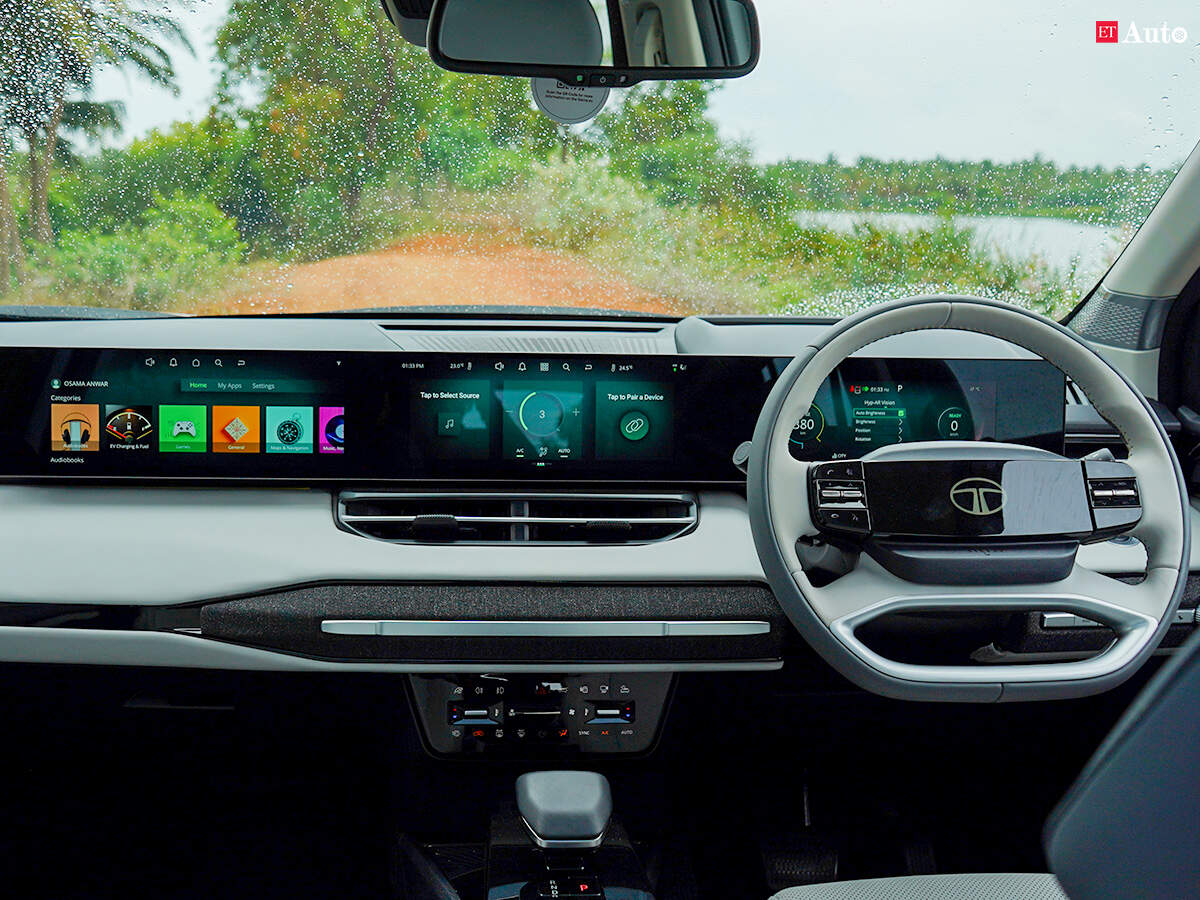 The cabin makes a strong first impression with its triple-screen dashboard and spacious layout.
Here is a size-comparison between the Tata Sierra EV, the Hyundai Creta Electric and the Mahindra BE6:
| Specification | Tata Sierra EV | Hyundai Creta Electric | Mahindra BE 6 |
| Price (Ex-showroom) | ₹18.79 lakh – ₹25.99 lakh | ₹18.03 lakh – ₹24.70 lakh | ₹18.90 lakh – ₹28.49 lakh |
| Length | 4,340 mm | 4,340 mm | 4,371 mm |
| Width | 1,841 mm | 1,790 mm | 1,907 mm |
| Height | 1,750 mm | 1,655 mm | 1,627 mm |
| Wheelbase | 2,730 mm | 2,610 mm | 2,775 mm |
| Ground Clearance | 205 mm | 200 mm | 207 mm |
| Boot Space | 622 litres | 433 litres | 455 litres |
| Frunk | 55 litres | 22 litres | 45 litres |
| Drive Layout | RWD / AWD | FWD | RWD |
| Claimed Range (Top Variant) | Up to 665 km | Up to 510 km | Up to 683 km |
The cabin makes a strong first impression with its triple-screen dashboard and spacious layout. The seats are particularly impressive, offering excellent support and comfort over long drives. The Sierra EV is the most feature-rich vehicle in Tata Motors’ portfolio, with technology taking centre stage inside the cabin. Dominating the dashboard is the new setup, which combines a 10.25-inch digital instrument cluster, a 12.3-inch infotainment touchscreen and a 12.3-inch passenger display, creating one of the most distinctive cabin layouts in the segment. The equipment list is equally comprehensive, including a panoramic sunroof, ventilated and powered front seats, wireless Android Auto and Apple CarPlay, a JBL premium audio system with Dolby Atmos, wireless phone charging, dual-zone climate control, a head-up display, multi-colour ambient lighting and connected car technology with over-the-air updates. Safety and convenience are bolstered by a Level 2+ ADAS suite, a 540-degree surround-view camera with Transparent View, Auto Park Assist, digital key functionality, while Vehicle-to-Load (V2L) and Vehicle-to-Vehicle (V2V) charging add another layer of practicality for EV buyers. Not everything feels premium, though. Some plastics and trim pieces lack the tactile quality expected in this price bracket. Software also needs refinement. During our drive, Apple CarPlay repeatedly refused to connect.
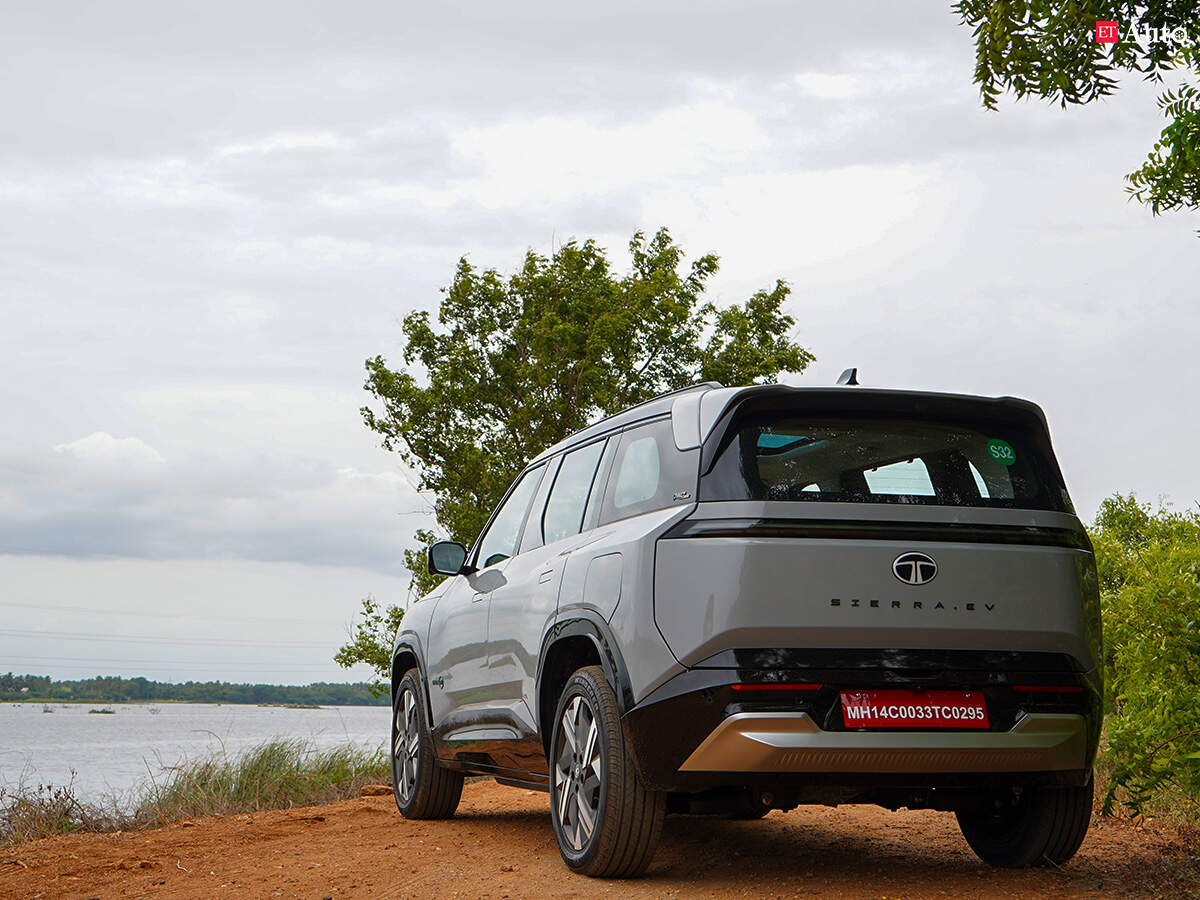 Sierra EV gets 63kWh & 75kWh packs, with up to 665km range.
Battery, range and charging
The Sierra EV is available with 63kWh and 75kWh battery packs, with the latter claiming an MIDC-certified range of up to 665km.
Our drive covered roughly 80km, split between city traffic and highways. That’s too short to verify Tata’s range claims, but battery consumption remained consistent throughout. A full range and efficiency test will follow in a longer-term review.
The Sierra supports both AC and DC fast charging. Tata claims a compatible DC charger can add up to 263km of range in 15 minutes, while Vehicle-to-Load (V2L) and Vehicle-to-Vehicle (V2V) charging add a layer of practicality beyond everyday commuting.
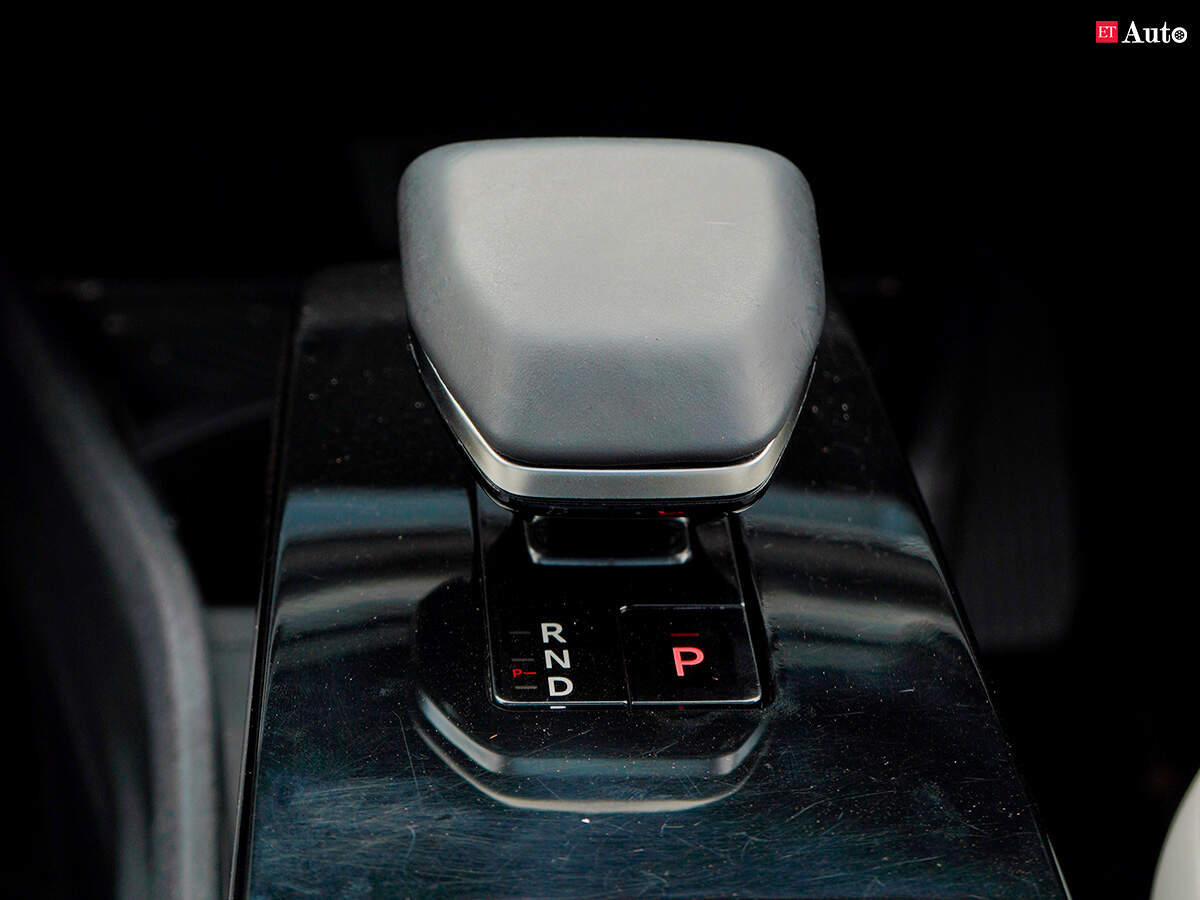 Acceleration feels like a slingshot, backing Tata’s sub-6s 0–100 kmph claim.
Performance and driving dynamics
This is where the Sierra impresses the most. Power delivery is immediate, as expected from an EV, but sport and boost modes unlock a surprisingly aggressive character. The acceleration feels more like a slingshot than a family SUV, making Tata’s claimed sub-six-second 0-100kmph sprint entirely believable.
The steering, however, is heavier than expected. Even in the lightest regeneration setting, it never really lightens up around town, although the added weight inspires confidence at highway speeds.
Regenerative braking is well calibrated across three levels, with the highest setting enabling smooth one-pedal driving. Tata’s acceleration and emergency braking demonstrations also showcased strong braking performance and reassuring stopping power.
Ride and handling
The roads around Coimbatore are among the better ones you’ll find in India where the Sierra feels remarkably composed at highway speeds. Its considerable battery mass is well managed, and the SUV inspires confidence whether cruising at triple-digit speeds or sweeping through long, fast corners. Despite weighing around two tonnes, it never feels cumbersome or unsettled.
One of the biggest takeaways from the drive was just how solid the Sierra feels. The structural rigidity of the body is immediately apparent, giving the impression that the entire vehicle has been carved from a single block. The A-pillars feel reassuringly robust, and together with the stiff chassis, they lend the SUV an unmistakable sense of confidence. It always feels planted, eager to cover ground, and unfazed by changes in direction.
Body roll is exceptionally well controlled for a vehicle of this size. Even through faster bends and lane changes on the highway, the Sierra maintains its composure without making occupants feel like they’re being tossed around. That stability translates into confidence behind the wheel, encouraging relaxed high-speed cruising without ever feeling nervous or floaty.
The suspension, however, leans towards the firmer side. Smaller road imperfections are dispatched cleanly, but sharper potholes and broken patches do send noticeable jolts into the cabin. It’s never uncomfortable, but buyers expecting the plush, absorbent ride associated with larger luxury SUVs may find the setup slightly taut.
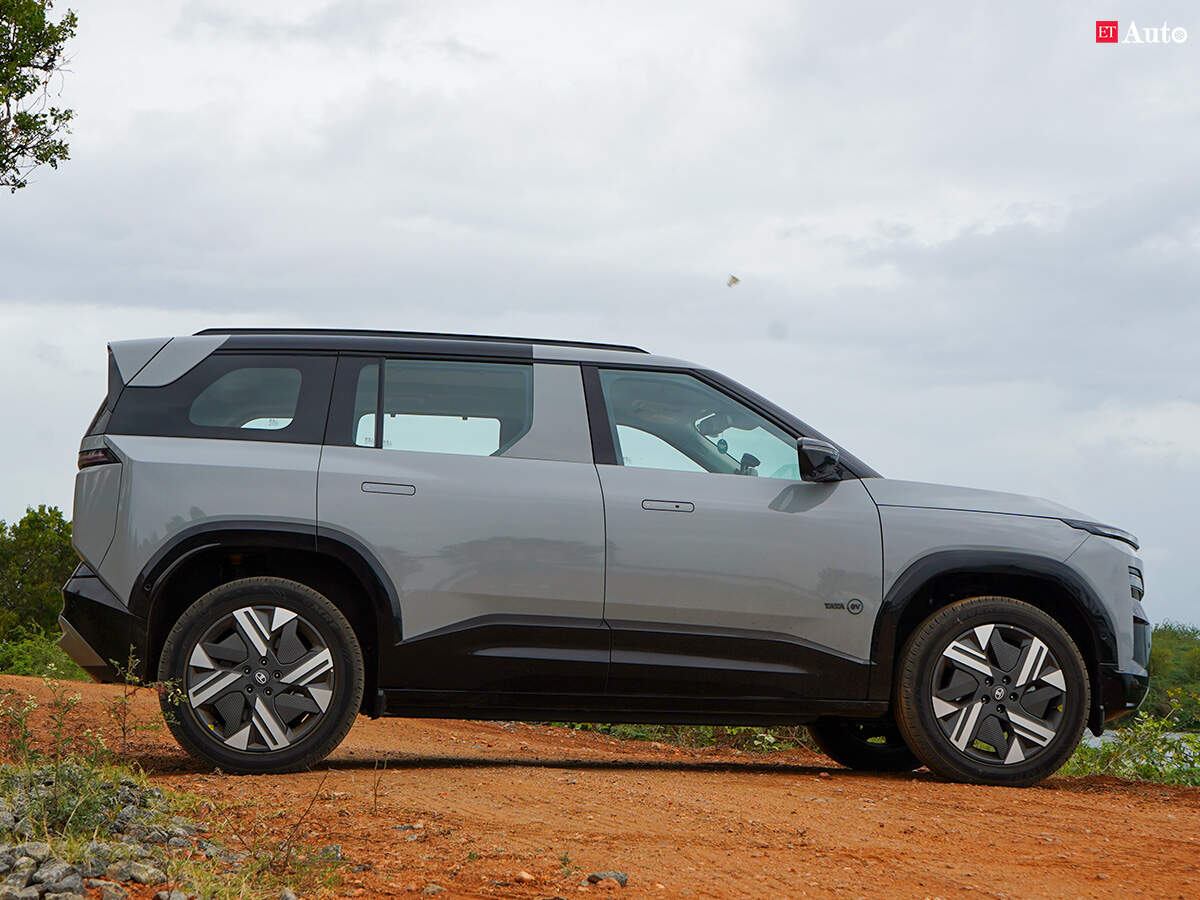 The structural rigidity of the body gives an impression that the entire vehicle has been carved from a single block.
Refinement
The cabin is generally quiet, although NVH insulation could be better. Wind and road noise remain reasonably controlled, but an intermittent tailgate rattle during our drive suggested there’s still some fine-tuning left before customer deliveries.
Price
Priced between ₹18.79 lakh and ₹25.99 lakh (ex-showroom), the Sierra EV takes on rivals including the Mahindra BE 6, Hyundai Creta Electric, MG ZS EV and BYD Atto 3. It differentiates itself with its distinctive design, spacious cabin, dual-motor option and comprehensive feature list.
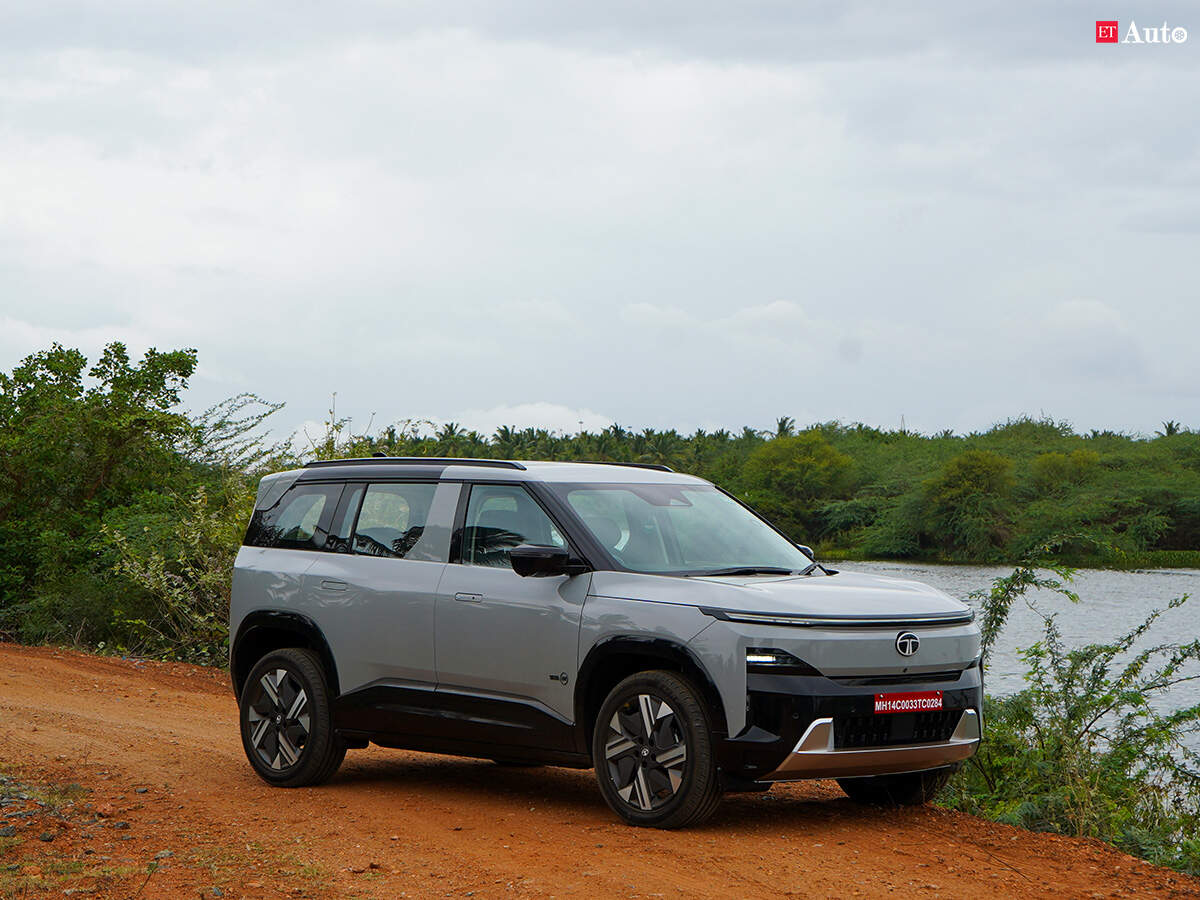 Tata Motors’ most well-rounded electric vehicle yet.
“/>
Verdict
The Sierra EV is Tata Motors’ most complete electric vehicle yet. It successfully blends heritage-inspired design with modern technology, strong performance and everyday practicality. However, there are areas that still need attention: software refinement, cabin material quality and a robust, fault-free after service care.
Our first drive in Coimbatore suggests Tata has delivered far more than a revival of an iconic badge. The Sierra EV has the potential to become the company’s new benchmark in the premium electric SUV segment, while comfortably existing beside the Harrier EV in the portfolio. Whether it lives up to its impressive range claims will become clear in a full road test, but as first impressions go, it’s a convincing start.