

- Chinese app disables e-rickshaws, fueling a dangerous online trend.
- Users exploit low-security batteries, cutting power, endangering drivers.
- Drivers face livelihood disruption and serious road safety hazards.
A Chinese smartphone app built for battery management has become the centre of a deeply troubling online trend in India. Videos are spreading across social media showing people using the app to remotely disable e-rickshaws, locally known as “tirris,” by cutting power to their batteries through Bluetooth.
What is being framed as a prank or “revenge” online carries real consequences for drivers who depend on these vehicles to earn a living, and raises serious safety concerns for everyone on the road.
How Are People Using the App To Disable E-Rickshaws?
Videos demonstrating what is being called “tirri control” have gone viral on Instagram, YouTube, Reddit, and X. In these clips, creators film themselves approaching e-rickshaws and electric scooters, opening an app called BAT-BMS, connecting to the vehicle’s battery via Bluetooth, and flipping the discharge switch, cutting power instantly and leaving drivers stranded mid-route.
The caption on one widely shared reel reads: “Time for revenge,” accompanied by the text, “Bohot pareshan kiya hai tirri walon ne, ab inki rail banegi (the e-rickshaw drivers have caused enough trouble, now they’ll suffer).”
ALSO READ: Is Galaxy Z Fold 8 Getting A Wider Look? Samsung’s Teasers Say Yes
Much of the online response points to public frustration over unmanaged e-rickshaw traffic. “Well deserved. They are the worst drivers on the road with no regard for other motorists, rules, or any order,” wrote one user on Reddit, with many echoing the sentiment.
However, a section of users has pushed back strongly, calling out the insensitivity behind the trend and urging people to consider the conditions these drivers work under every day.
What Is BAT-BMS & Why Are E-Rickshaws Vulnerable To It?
BAT-BMS is developed by Shenzhen Grenergy Technology and functions as a legitimate battery management tool. It connects wirelessly to compatible Bluetooth-enabled lithium batteries within a 10-15 metre range. According to the official website, it supports real-time monitoring of battery status, including voltage, temperature, and current, and allows remote control of battery performance. That last feature is what is now being exploited.
Many budget e-rickshaws and electric scooters in India use Chinese-manufactured Battery Management Systems with minimal security and default open Bluetooth settings. These require no password or authentication, meaning anyone nearby with a smartphone can connect and cut power output within seconds.
The app remains available on the Google Play Store but has reportedly been removed from the iOS App Store. Authorities have not officially commented on the matter, and there has been no verifiable ground-level confirmation of the incidents so far.
Why This Is More Than Just A Prank
What is playing out online as entertainment has real and serious consequences on the ground. A sudden, unexpected power cut to an e-rickshaw mid-journey does not just inconvenience the driver; it puts lives at risk. A vehicle losing power without warning in moving traffic can cause the driver to lose control, putting both the driver and the passengers on board in danger, particularly on busy or narrow roads.
ALSO READ: WhatsApp Says Its New Username Feature Is Optional And Will Not Allow Impersonation
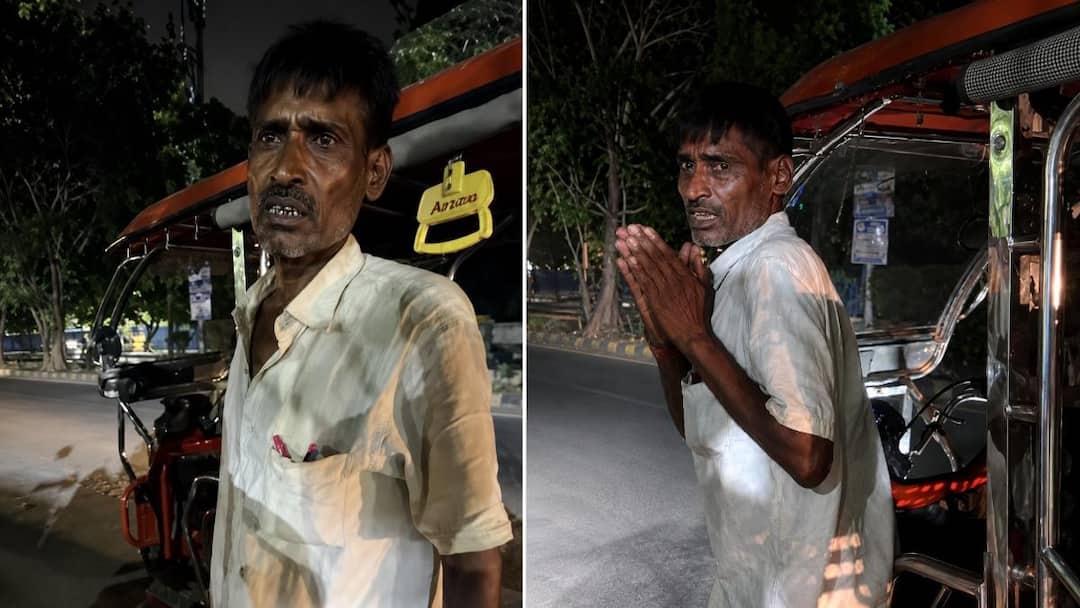
Beyond the safety risk, there is a financial burden that adds up quietly. In one reel, a driver recounts paying Rs 100-200 to a repair guy just to get his vehicle restarted. For someone earning a daily wage with no fixed income, that is not a minor expense.
When this happens repeatedly, because a new person finds it amusing every other day, those costs accumulate fast. Drivers who cannot afford a smartphone or understand the technology being used against them have no way to protect themselves either.
This is not a harmless internet trend. It is a targeted disruption of someone’s livelihood, and in the worst case, a road safety hazard. The fact that it continues to generate views and approval online speaks to a broader disregard for the dignity and safety of those at the bottom of the economic ladder.


