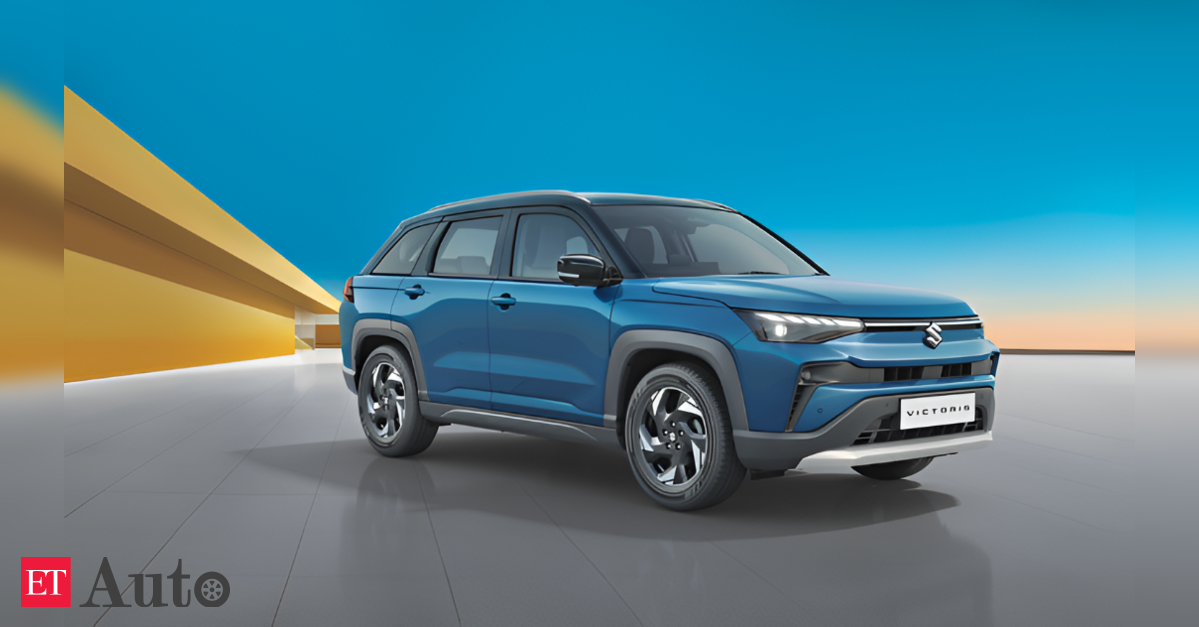

 Maruti Suzuki retained its top position by selling 1,50,150 passenger vehicles in the month gone by, compared with 1,21,339 units in June 2025.
India’s auto market continued to build on its growth momentum in June, posting around 4 lakh domestic wholesales, up 24 per cent year-on-year, aided by new product launches and an alternative fuel push, fuelled by geopolitical uncertainties.
While leading OEMs continued to drive industry growth, smaller players such as Kia India, JSW MG Motor, Renault India and Nissan India also rode the strong market momentum, reporting their best-ever monthly sales.
Maruti retains commanding lead
India’s largest manufacturer, Maruti Suzuki India, reported healthy domestic wholesale volumes in June, buoyed by recent production capacity expansion, widening its gap in the competitive market.
Maruti Suzuki retained its top position by selling 1,50,150 passenger vehicles in the month gone by, compared with 1,21,339 units in June 2025.
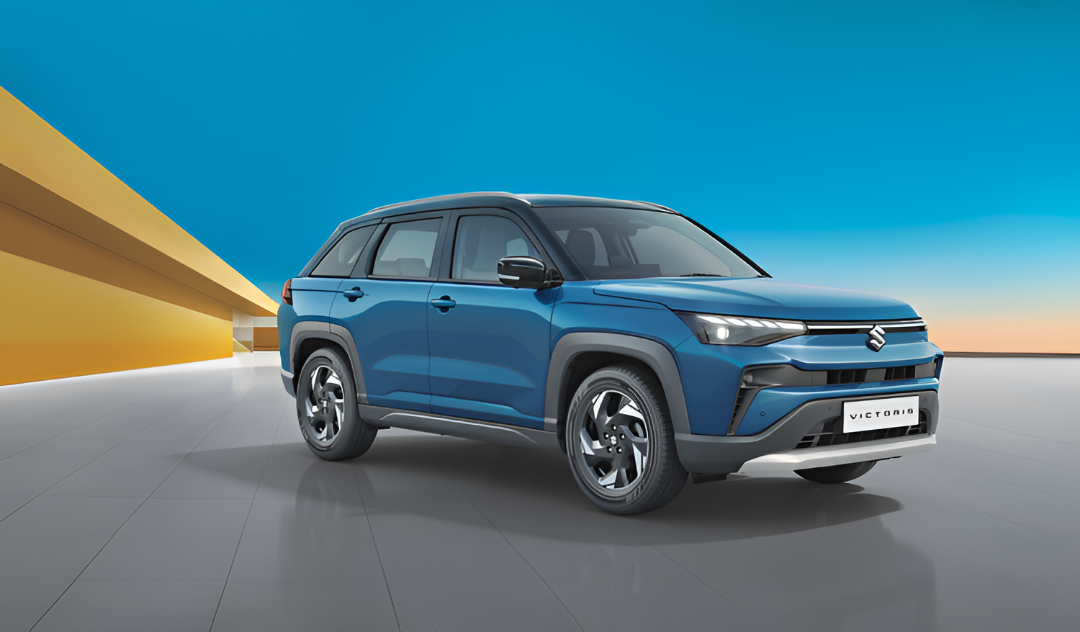
This growth was driven by strong CNG sales, especially underbody CNG demand in Victoris, and by exports, which grew 13 per cent YoY to 42,768 units. The top management added it continued to dispatch to Middle East areas through longer routes despite the uncertainties.
“All cylinders are firing. Be it rural or urban, we are seeing strong growth across all markets. Even in the export market also, I think we are doing pretty well,” Rahul Bharti, Senior Executive Officer, Corporate Affairs, Maruti Suzuki India said during the monthly business update briefing.
Tata edges past Mahindra
Tata Motors grabbed the second position, selling 62,076 units in June 2026, compared to 37,083 units in the corresponding month last year. The sales momentum came on the back of a broader portfolio, driven by fresh upgrades and launches, growing demand for Sierra, and healthy momentum for Punch and Nexon.
Mahindra and Mahindra followed, reporting a YoY drop from second to third, with 60,393 units sold last month. Nalinikanth Gollagunta, CEO, Automotive Division, M&M, said, ”The total vehicle sales stood at 1,06,207, a 37 per cent YoY growth reflecting all-round demand traction across the portfolio.”
Hyundai still trails top three
South Korean automaker Hyundai reported a 10 per cent decline in domestic sales, selling 39,635 units in June 2026. The automaker attributed it to the recent fire at Hyundai’s Mobis Chennai plant, which led to a production halt for around 22 days.
“Hyundai India has taken all necessary steps to ensure production normalcy, including arranging automotive parts from alternate source locations. Our production operations returned to normal across facilities since June 22, 2026. We expect to recover the loss in June production volume within Q2 of FY26-27, ” said Tarun Garg, MD & CEO, Hyundai Motor India.
Toyota Kirloskar Motors, meanwhile, maintained steady growth, selling 28,441 units in June 2026, driven by its Innova Crysta.
Small players gain ground
The Indian automotive industry has transitioned from an ICE-led market to one embracing CNG and electric vehicles, with hybrids and flex-fuel technologies now emerging as the next phase of powertrain evolution, per industry executives.
Playing along, small OEMs such as JSW MG Motor, Kia India, Nissan India, and Renault have reported strong monthly sales of 4,063 units. JSW MG Motor registered total sales of 7,568 units, while Kia India reported domestic sales of 24,552 units in June.
Nissan India reported sales of 3,006 units, with demand for the Magnite remaining stable.
Intense market competition
The automakers are bracing for more launches, fuel diversification and neck-to-neck competition between leading Indian OEMs such as Mahindra and Mahindra and Tata Motors.
“Tata is working across powertrain segments. It is fuel agnostic, with CNG and electric vehicles, which are the key growth drivers. Companies present in these spaces are showing phenomenal growth,” S&P Global Mobility Director Puneet Gupta told ETAuto.
Hyundai India and Toyota have maintained their fourth and fifth positions for months. “Hyundai and Toyota may have to rework their India strategy; otherwise they are going to have a tough time going forward,” he added.
Competitive outlook
Industry experts believe the market will remain competitive and volatile amid uncertainties in the geopolitical landscape and a weak monsoon outlook.
Moreover, it may face fresh headwinds in the months ahead, as the initial boost from GST 2.0 is expected to moderate amid recent vehicle price hikes by automakers.
“There has been the war in Iran, and now the monsoon factor. So with all these combinations, I think it is too difficult right now to give a figure about future outlook,” said Partho Banerjee, Senior Executive Officer, Sales & Marketing, MSIL.