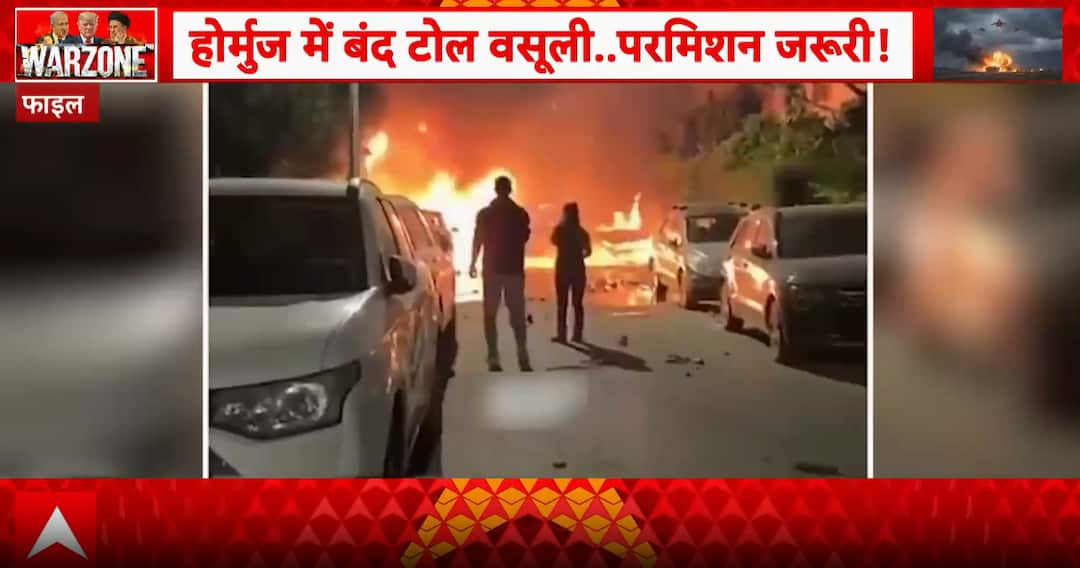
Rising geopolitical friction between the United States and Iran has taken a new turn after Tehran reportedly refused to participate in scheduled negotiations in Geneva concerning a proposed wide-ranging diplomatic arrangement. The development is being viewed as a serious setback for ongoing efforts by international stakeholders to revive structured dialogue on security and regional stability issues. Iranian officials have indicated that the decision stems from unresolved concerns over negotiation conditions and broader regional developments. Tehran’s stance suggests that it is unwilling to proceed with talks unless its core strategic and security priorities are addressed more directly in the diplomatic framework. In discussions surrounding the broader political context, former U.S. President Donald Trump has been referenced in relation to earlier hardline negotiation approaches, though the current situation does not reflect any finalized agreement between the two sides. On the Iranian side, Supreme Leader Ali Khamenei continues to play a central role in shaping the country’s strategic direction, with consistent emphasis on sovereignty and resistance to external pressure. Iranian President Masoud Pezeshkian and senior policymakers are reportedly engaged in internal deliberations over the future course of diplomatic engagement. Meanwhile, Parliament Speaker Mohammad Bagher Ghalibaf has reinforced a firm position, warning that any perceived violations of agreements or coercive tactics could further strain relations and complicate negotiations. The cancellation of Iran’s participation in the Geneva meeting highlights the fragile state of ongoing diplomatic efforts. Analysts suggest that entrenched positions on both sides continue to hinder progress, leaving the prospects of an immediate breakthrough uncertain. The situation remains fluid, with global observers closely tracking further developments in US-Iran relations and the broader West Asian geopolitical landscape.
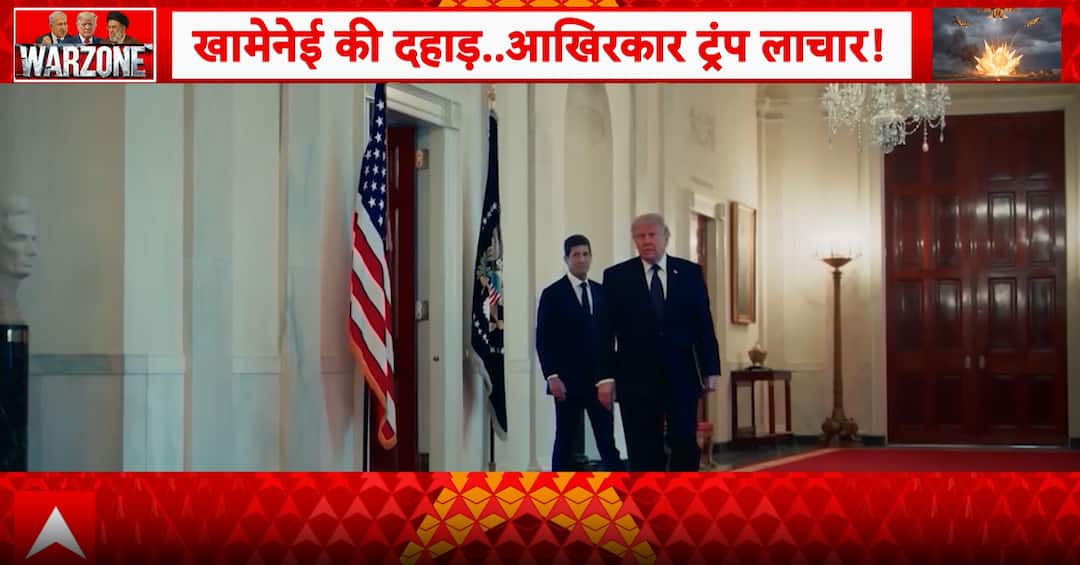
US Iran tensions: Iran pulls out of Geneva talks as US-Iran mega deal tensions rise sharply
Previous article

Next article