
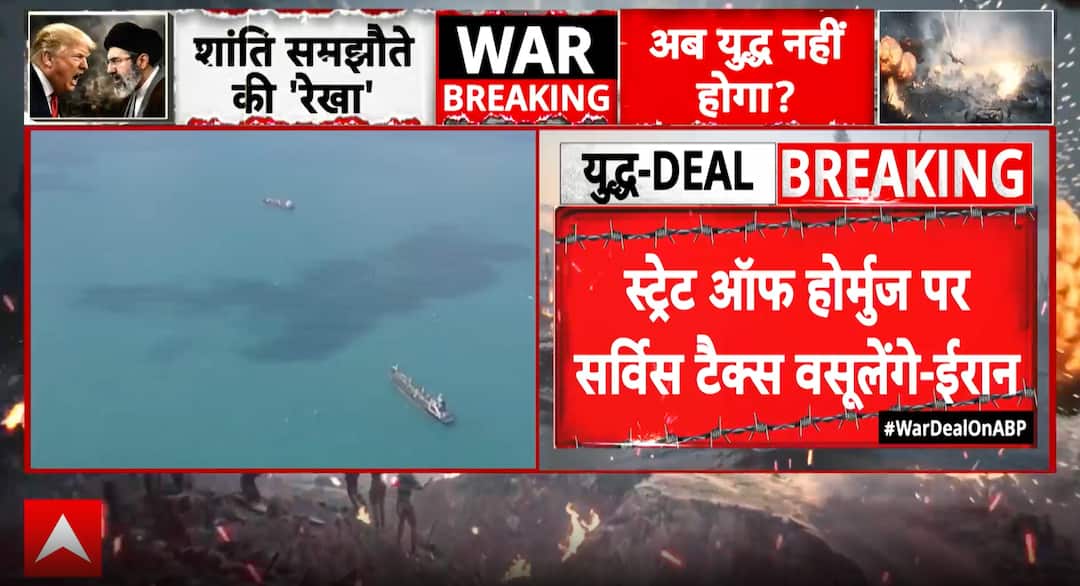

Just hours after reports of a breakthrough understanding between the United States and Iran, fresh uncertainty has emerged over the future of the strategically vital Strait of Hormuz. Iran’s Parliament Speaker Mohammad Baqer Ghalibaf has indicated that Tehran may impose service-related charges on vessels using the crucial maritime corridor, a move that could reshape regional trade dynamics and global energy logistics. Ghalibaf stated that the Strait of Hormuz would “never return to its previous condition,” suggesting that Iran intends to maintain a stronger level of oversight and influence over one of the world’s most important oil transit routes. The remarks have reignited concerns among shipping operators, energy traders, and policymakers who had expected tensions around the waterway to ease following diplomatic progress between Washington and Tehran. At the same time, former US President Donald Trump appeared to adopt a relatively conciliatory tone regarding Iran’s defense capabilities, suggesting that if other regional powers possess missile systems, a proportional Iranian capability may not be unreasonable. The comments have sparked fresh debate over the balance of power in the Gulf region. Despite the renewed rhetoric, financial markets have responded positively to signs of reduced military confrontation. Global crude oil prices have retreated sharply from recent highs, while major stock markets have posted gains amid expectations of improved regional stability and uninterrupted energy supplies. However, analysts caution that uncertainty surrounding the Strait of Hormuz remains a critical factor for global trade. Any new fees, restrictions, or geopolitical tensions affecting the passage could have significant implications for oil shipments, shipping costs, and international energy security.


