


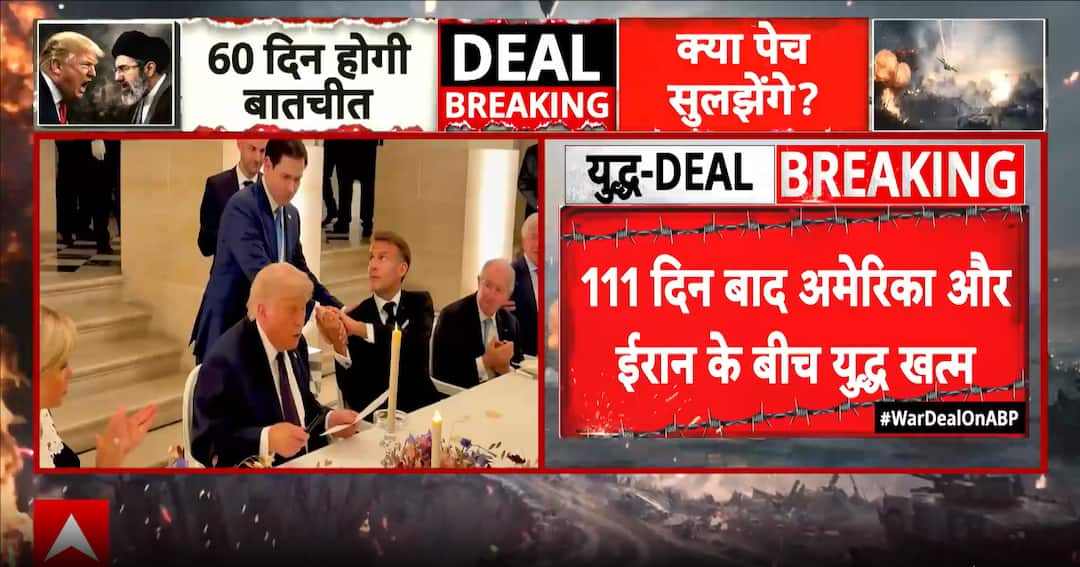
The United States and Iran have formally signed a peace agreement after 111 days of tensions, with U.S. President Donald Trump signing the Memorandum of Understanding (MoU) in France during the G7 Summit and Iranian President Masoud Pezeshkian signing it in Iran. The agreement has officially come into force, ending direct hostilities and paving the way for further negotiations between the two countries. Experts say the breakthrough offers immediate relief for global markets, particularly with expectations that the Strait of Hormuz will reopen and restrictions on maritime movement will ease. However, several critical issues remain unresolved, including sanctions relief, financial transactions, compensation for wartime damages, and implementation of the agreement’s detailed provisions. Analysts also caution that Israel’s ongoing military operations against Hezbollah could continue despite the US-Iran accord, potentially affecting broader regional stability. While many countries have welcomed the agreement as a positive diplomatic step, observers believe its long-term success will depend on effective implementation and sustained political commitment from all parties involved.

Peace Agreement: US and Iran formally sign landmark deal after 111 days
Previous article
Next article
