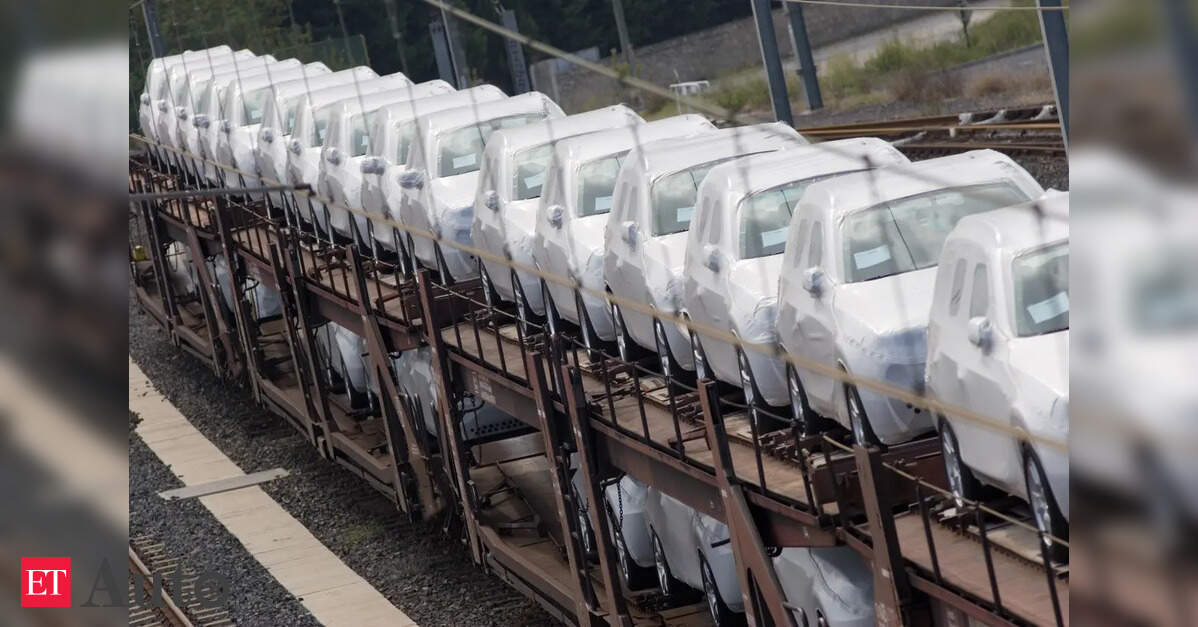

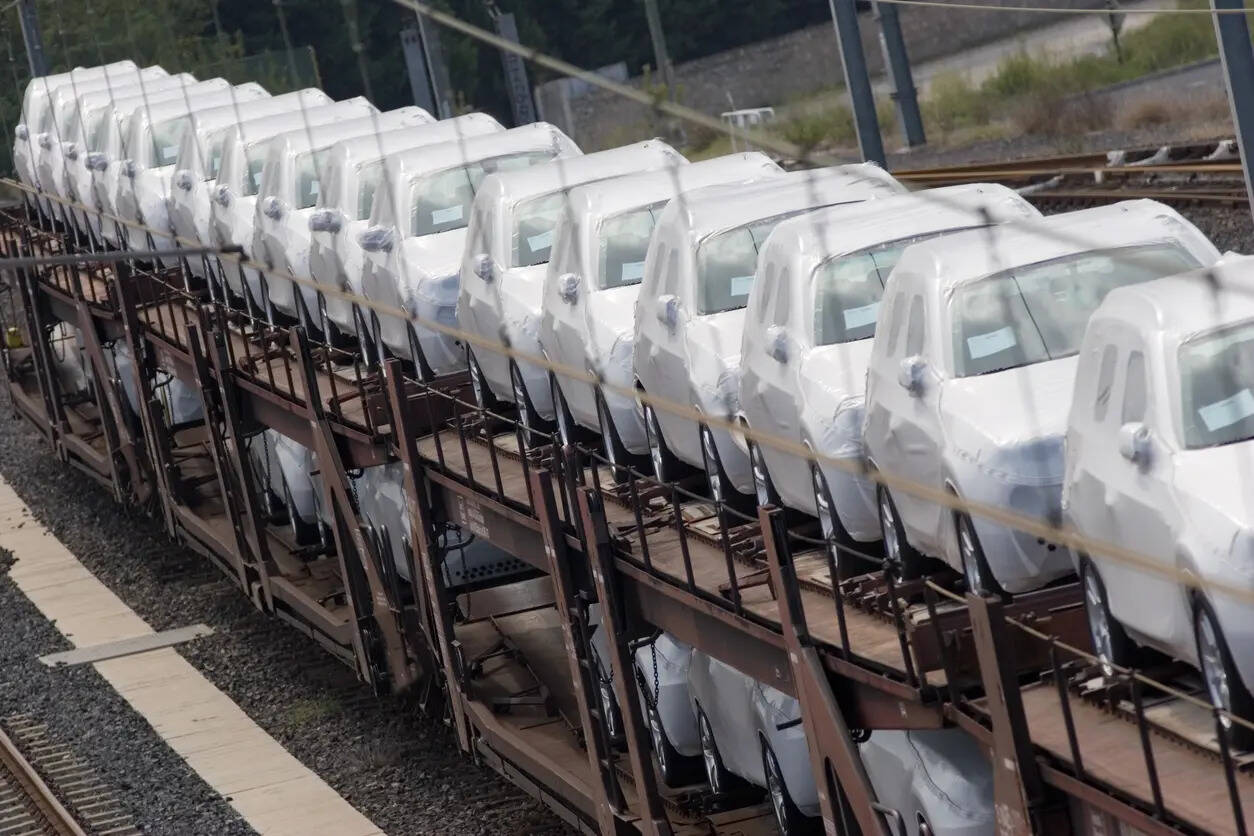
 For vehicles with engine sizes above 3,000 cc (petrol) and 2,500 cc (diesel), the first-year quota has been fixed at 10,000 units, with customs duties reduced to 30 per cent from 110 per cent.
New Delhi: India will allow the import of 3.78 lakh conventional-engine passenger vehicles from the United Kingdom at concessional customs duties during the first 15 years of the India-UK Comprehensive Economic and Trade Agreement (CETA), according to details of the trade pact released on Wednesday.
The agreement, which comes into force on July 15, will see tariffs on automotive imports from the UK reduced from around 110 per cent to as low as 10 per cent under a quota-based mechanism, cited by PTI.
The move is expected to benefit premium British automotive brands seeking greater access to the Indian market, while also creating export opportunities for Indian automakers in the UK, particularly in the electric and hybrid vehicle segments.
Import quotas to rise gradually
Under the agreement, India will allow the import of 20,000 passenger cars in the first year across various engine categories.
For vehicles with engine sizes above 3,000 cc (petrol) and 2,500 cc (diesel), the first-year quota has been fixed at 10,000 units, with customs duties reduced to 30 per cent from 110 per cent.
For vehicles with engine sizes between 1,500 cc and 3,000 cc, as well as mass-market passenger cars with engines up to 1,500 cc, the first-year quota has been capped at 5,000 units each, with duties lowered to 50 per cent from 66 per cent.
The annual quota will increase to 37,000 units by the fifth year, after which duties across categories will gradually fall to 10 per cent. From the 15th year onwards, imports will be capped at 15,000 units annually at a concessional duty rate of 10 per cent.
Overall, India will permit the import of 3.78 lakh conventional passenger vehicles from the UK over the first 15 years of the agreement.
Opportunity for Indian EV exports
The agreement also provides Indian automakers access to the UK market for electric, hybrid and hydrogen-powered passenger vehicles.
From the sixth year onwards, India will be able to export such vehicles duty-free to the UK in the price range of GBP 20,000 to GBP 80,000. The quota will gradually expand to 88,000 units by the 15th year and remain at that level thereafter.
The provision is expected to benefit Indian manufacturers including Tata Motors Passenger Vehicles, Mahindra & Mahindra and Maruti Suzuki as they expand their electrified vehicle portfolios.
Protection for India’s mass-market EV segment
While India has opened limited access to premium electric and hybrid vehicles from the UK, it has retained protection for the domestic mass-market EV segment.
The agreement excludes concessions for electric, hybrid and hydrogen-powered passenger vehicles priced below GBP 40,000 (CIF), a move aimed at safeguarding local manufacturers that are investing heavily in affordable electric mobility.
No tariff concessions will be available for electric, hybrid or hydrogen-powered passenger cars during the first five years of the agreement.
From the sixth year, vehicles priced between GBP 40,000 and GBP 80,000 will attract a reduced duty of 50 per cent under a quota of 400 units, while vehicles priced above GBP 80,000 will face a 40 per cent duty with an import quota of 4,000 units.
By the tenth year, duties for both categories will decline to 10 per cent.
The agreement also excludes zero-emission two-wheelers, buses and trucks from any tariff reduction commitments, ensuring that India retains full policy flexibility for these segments.