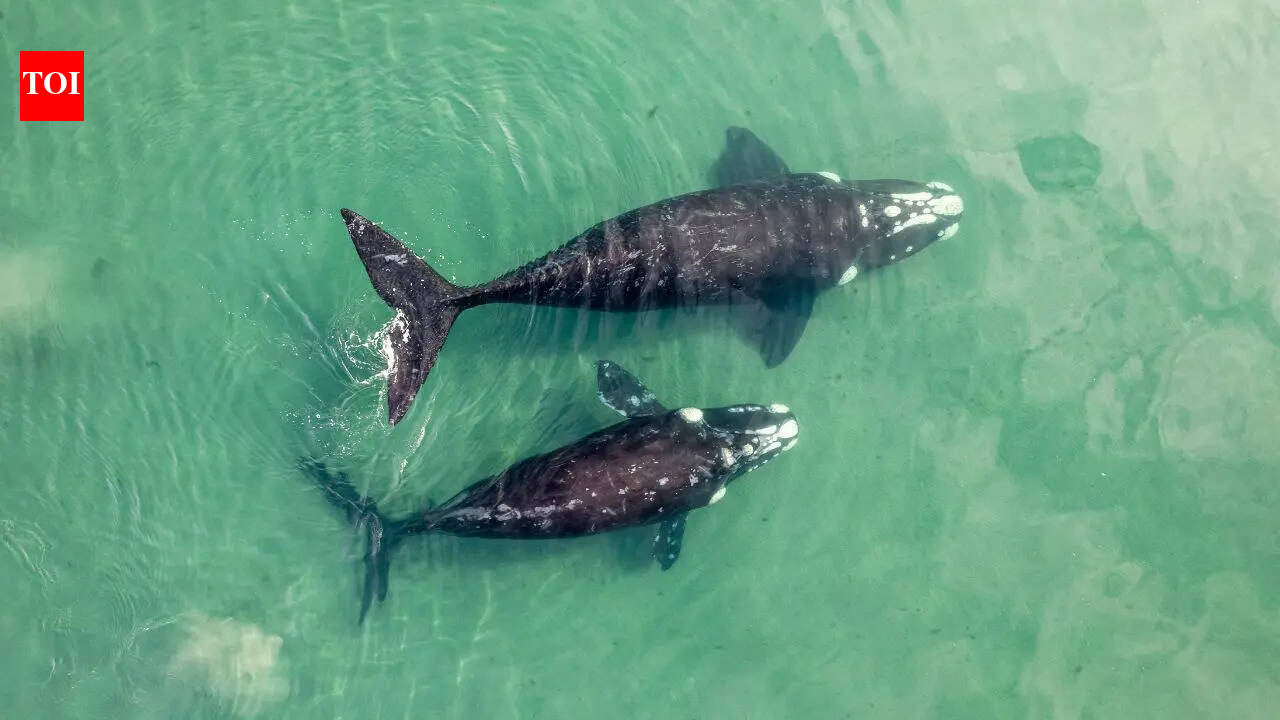

Far out in the south-eastern Indian Ocean, a vast and largely unexplored stretch of seafloor is reshaping how scientists understand deep-ocean history. Hidden within the Diamantina fracture zone, the seabed is marked by long scars, deep trenches, and ridges that plunge into near-total darkness under extreme pressure. Across this 1,200-kilometre corridor, whale remains have been discovered in surprising density, ranging from ancient fossils to relatively recent carcasses still supporting deep-sea ecosystems. Some bones appear heavily mineralised, effectively fused into surrounding rock, while others continue to sustain life through slow ecological cycles. In certain areas, old whale remains sit alongside newer “whale falls,” creating layered records of ocean life. This unusual concentration offers a rare glimpse into millions of years of marine evolution and deep-sea ecological continuity.
Scientists map the largest ‘whale graveyard’ in the deep Indian Ocean zone
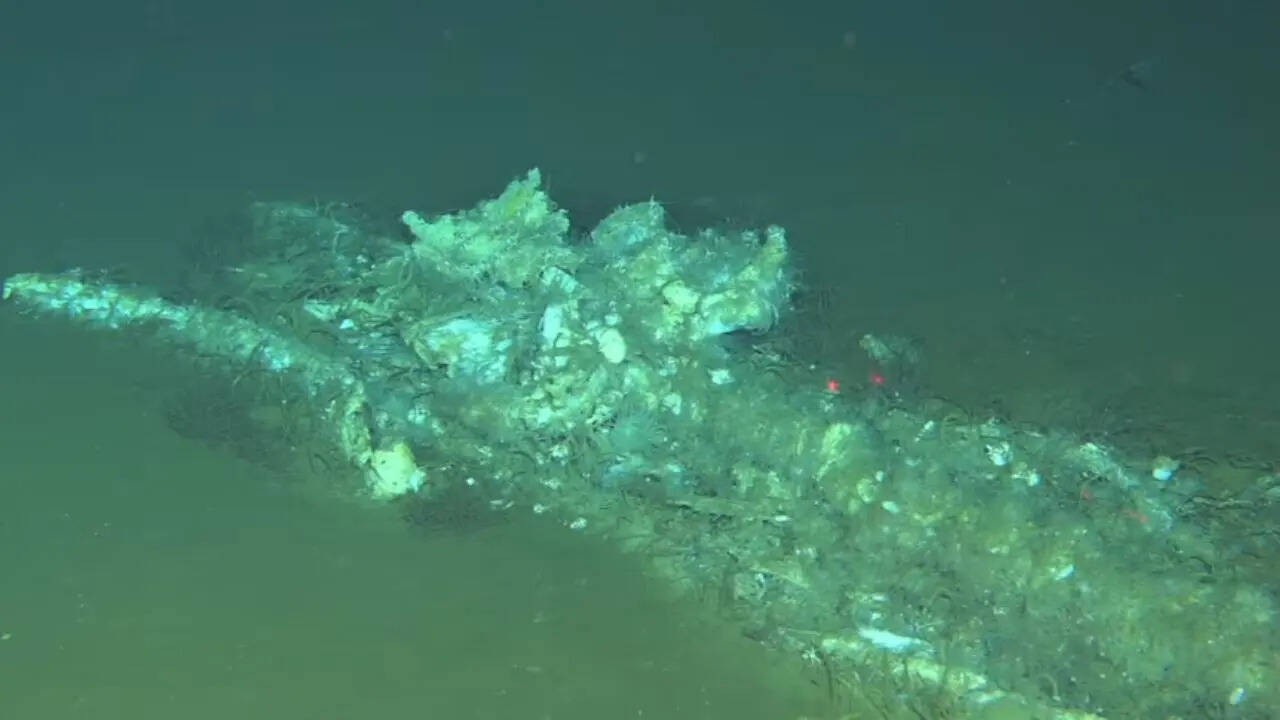
The site sits within the Diamantina fracture zone, a broken sweep of seabed marked by trenches and raised ridges across the Indian Ocean floor. It stretches for roughly 1,200 kilometres and drops in places to around seven kilometres below the surface, as reported by the BBC. At those depths, even modern submersibles operate with caution, which is part of why large sections of the region have remained largely unexamined until recent years. What has now been logged across it is unusually dense. Whale fossils appear in clusters as well as scattered points, some so mineralised they seem absorbed into the surrounding rock. Others are more recent, still forming part of slow-moving ecological systems that continue long after a carcass first sinks. Multiple research dives have been carried out across different sections of the zone, each one adding small pieces to a much larger picture. Over the course of dozens of descents, hundreds of whale-related sites were recorded, ranging from ancient fossils to active whale falls where carcasses continue to support life on the seabed.The study published in Nature, titled ‘A 5.3-million-year-old deep-sea whale necropolis in the Diamantina Zone’, the time span is what makes the record difficult to ignore. Some remains are estimated to date back more than 5.3 million years, placing them in a far earlier phase of ocean evolution. Among the finds were skull fragments linked to extinct whale species, including beaked forms that no longer exist in modern seas. Alongside them, more familiar remains, such as a minke whale carcass, were found still hosting a developing deep-sea ecosystem.
PC: ABC
Scientists observe new deep-sea species around whale falls
Around these remains, life takes shape in slow and uneven patterns. Jellyfish drift close to the seabed, while worms and crustaceans gather in and around bone structures where nutrients linger. None of this is unusual in deep ocean environments on its own, but the scale and spread across such a wide area have drawn attention.Some of the organisms collected from the site may not yet fit neatly into known classifications. That possibility is still being examined, and it reflects how limited direct observation remains in these extreme environments where food arrives in rare but significant pulses.”Peng and colleagues’ encounter with a vast fossil graveyard is a truly unique discovery,” said Stephen J Godfrey of the Calvert Marine Museum.
Fragments, naming, and unfinished catalogues
Within the fossil material, scientists have identified remains linked to extinct whale species, including specimens attributed to Pterocetus benguelae. Another has been described as Pterocetus diamantinae, named after the fracture zone where it was recovered.Much of the work so far has involved repeated sampling rather than a single, complete excavation. Each dive adds fragments to a growing catalogue, but the picture remains uneven. Some sections of the seafloor are densely populated with remains, while others appear comparatively empty, shaped more by sediment and rock than biological traces.Even after multiple expeditions, large parts of the system remain unvisited. At these depths, every descent is limited by time, conditions, and equipment endurance. What has been mapped so far confirms scale, but the wider structure of the site still sits partially unresolved, waiting for further return journeys into the same dark corridor of the ocean floor. Go to Source