


Tensions in the Middle East appear to have temporarily eased as no new attacks were reported between Israel and Iran over the past 24 hours. The pause follows a recent cycle of strikes and counterstrikes in which Iran had launched attacks on Israel, prompting Israeli retaliatory action despite warnings from U.S. President Donald Trump. Reports suggest that both countries have now halted direct military operations, with Israeli Prime Minister Benjamin Netanyahu indicating that strikes on Iran have been suspended, although operations against Hezbollah in Lebanon continue. Iran’s Islamic Revolutionary Guard Corps (IRGC) also confirmed a pause in missile attacks, while Tehran warned that the ceasefire would hold only if Israel refrains from targeting Hezbollah positions in Lebanon. Iranian Vice President Mohammad Reza Aref claimed that Iran’s military strength had been demonstrated during the conflict, asserting that adversaries had been forced to reassess their position under pressure. Iranian officials further suggested that opposing forces had been compelled toward a ceasefire after sustained retaliation, though such claims remain part of ongoing political rhetoric. Meanwhile, Yemen’s Houthi rebels announced renewed missile attacks targeting Israeli positions in the Jaffa area, claiming operational success in support of Palestinians in Gaza. The group also reiterated its earlier decision to restrict Israeli-linked maritime navigation in the Red Sea and warned of intensified operations in coordination with allied groups. The developments highlight the continued volatility of the region despite temporary pauses in direct Israel–Iran exchanges.
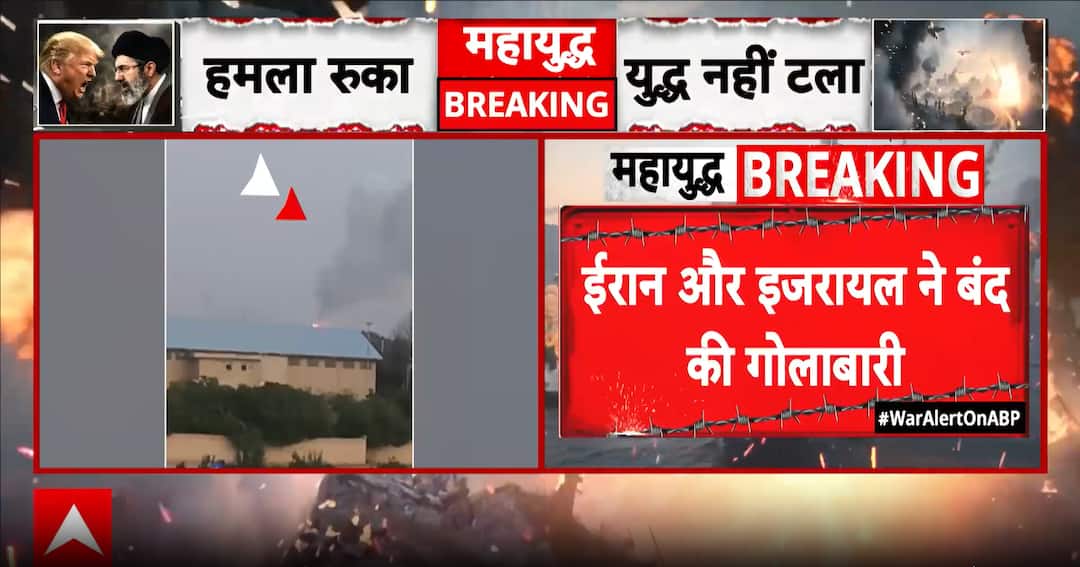
Middle East Crisis: Israel–Iran Hostilities Pause for 24 Hours Amid Diplomatic Pressure, Houthis Escalate Claims
Previous article

Next article
