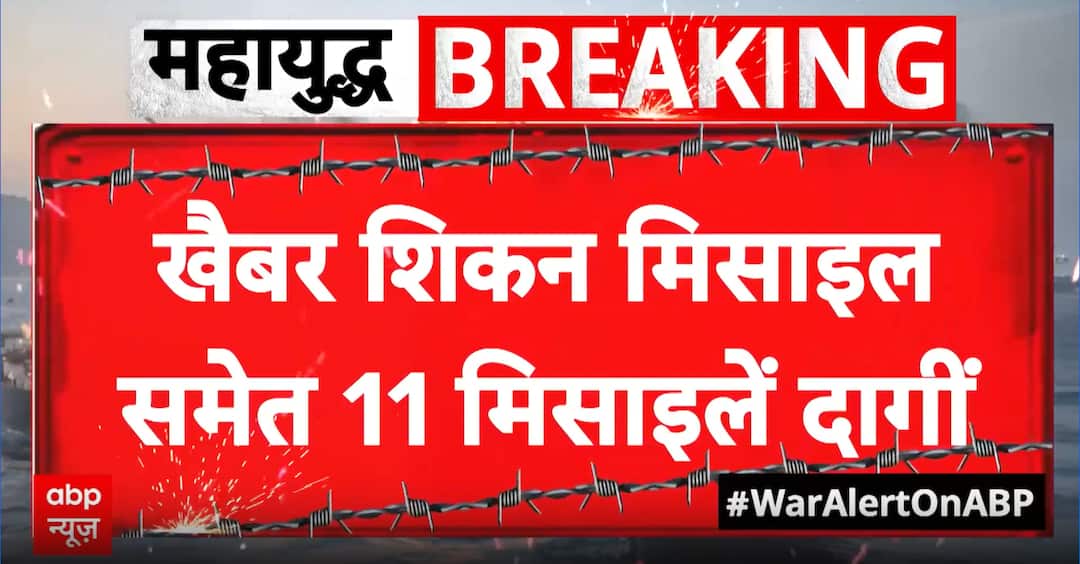
A fresh and severe escalation has been reported in the Middle East as Iran and Israel once again engaged in direct missile exchanges, raising fears that a previously paused ceasefire may have fully collapsed. The renewed hostilities have triggered global concern over the possibility of a wider regional war involving multiple state and non-state actors. Reports indicate that Iran launched ballistic missile strikes targeting key Israeli cities, including Tel Aviv, Jerusalem, and the port city of Haifa. Explosions were reported in several areas, with visuals showing smoke rising after impact. Iran has claimed that its missile capability remains strong and capable of sustaining prolonged operations. In response, Israel has reportedly carried out counterstrikes targeting strategic infrastructure inside Iran, including petrochemical facilities in Khuzestan province. The Karun Petrochemical Complex was among the sites hit, with reports of significant damage and smoke rising from the area. Israeli operations are also said to have extended through regional airspace corridors, reflecting a widening operational scope. Security analysts warn that the conflict is entering a more complex phase, with multiple fronts potentially opening through allied groups in Lebanon and Yemen. The involvement of non-state actors such as Hezbollah and the Houthis is further intensifying regional instability and expanding the geographical reach of the confrontation. A key uncertainty remains the role of the United States. While diplomatic efforts have been referenced in recent weeks, questions persist over whether Washington will directly support Israel or maintain a more restrained stance. Analysts suggest that US involvement could significantly influence the trajectory and duration of the conflict. With both sides continuing strikes and counterstrikes, the situation remains highly volatile, and concerns are growing over the risk of a prolonged and wider Middle East war affecting global security and energy markets.

Middle East War: Iran-Israel Missile Exchange Intensifies as Regional Tensions Surge
Previous article

Next article