
As the West Asia conflict drives up fuel prices in the country, Tata Motors on Thursday said it is registering a considerable surge in demand for its electric vehicle (EV) offerings as customers look towards more economical driving options.
The company said it is witnessing a notable 2.5X growth in bookings over the last two months, and the impact is even more pronounced with fuel prices in the country being hiked multiple times in the last fortnight.
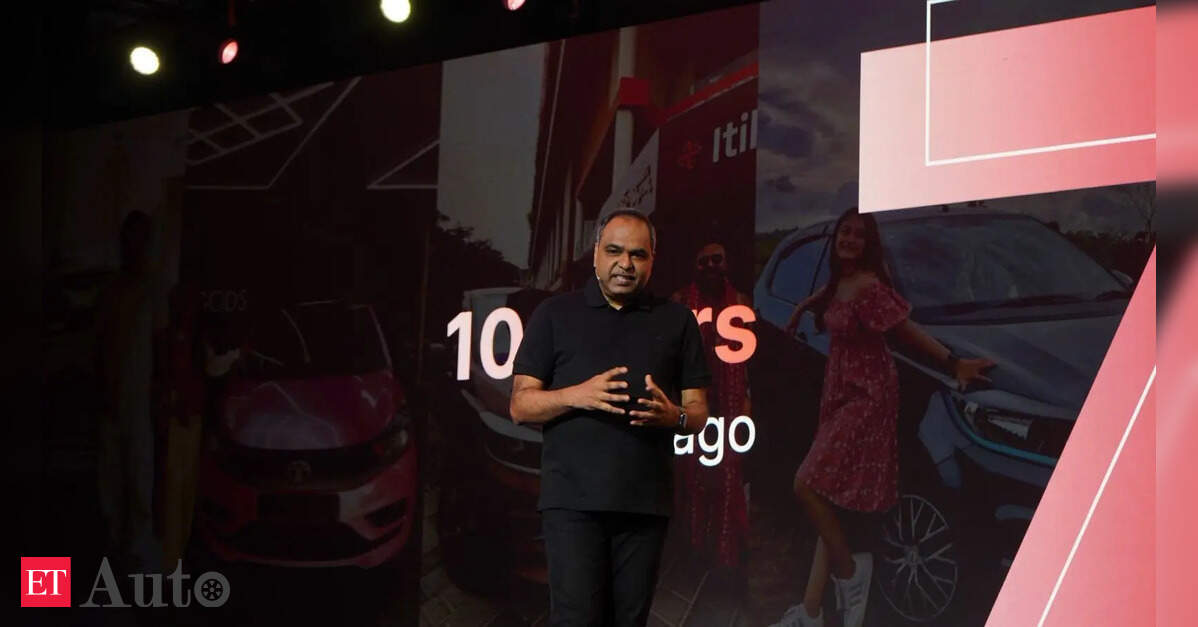
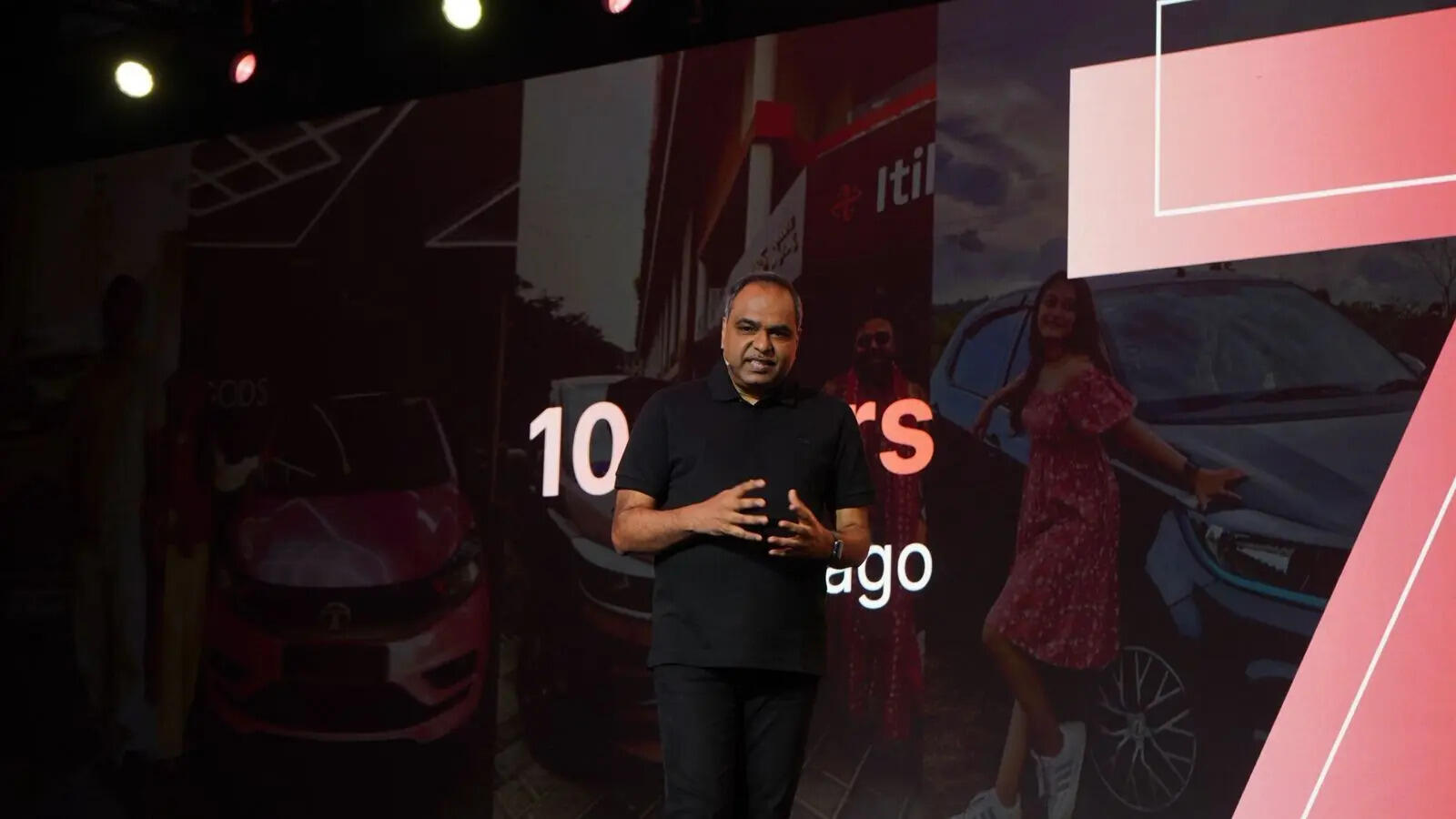
“There’s a sharp jump that we see in EV bookings. In just two months, it is about 2 to 2.5 times what it used to be. In the last 15 days, things have changed completely,” said Shailesh Chandra, Managing Director, Tata Motors Passenger Vehicles & Tata Passenger Electric Mobility. He was speaking on the sidelines of the launch of the updated Tiago EV in New Delhi.
He stressed that while the demand growth has been across EV models, it is notably higher in the sub-₹15 lakh segment. “It is even sharper – both in terms of interest and bookings – especially in the less-than-₹15 lakh segment,” Chanda added.
Since May 15, 2024, prices of petrol, diesel and CNG in India have seen multiple upward revisions, with petrol now costing ₹102.12 per litre, while diesel retails at ₹95.20 in the national capital – marking an increase of almost ₹7.5 per litre or nearly 8 per cent.
According to Chandra, the rising fuel prices could also entail a shift in powertrain choices in the small car segment, which is the most sensitive regarding the acquisition and operating cost of the vehicle. “In the smaller segment, people are very sensitive to their monthly expenses, and therefore fuel price hikes disturb the dynamics for such a buyer,” he said.
He further added that some of this shift in the buyer preference could be permanent. “Even if there is softening (in global crude prices), oil companies (in India) have been making losses for so long. Therefore, some level of permanent shift is what we are definitely seeing as far as EVs are concerned,” he added.
Capacity expansion
The carmaker said the recent surge in EV demand has also nudged the company to increase its capacity. Chandra said the company is targeting a capacity expansion in the next 3-4 months.
In the sudden rush, the demand for EVs has risen to comprise close to 33 per cent or nearly one-third of carmaker’s total bookings in May 2026.
“Broadly speaking, we should be able to enhance (EV) capacity in the next 3-4 months,” Chandra added, while hinting at reaching the 15,000-unit monthly mark. The company is currently averaging about 10,000 units every month in terms of EV volumes.
He added that the introduction of the updated Tata Punch EV, which was launched in end-February 2026 has also given a fillip to the EV portfolio. The company says the reality has surpassed its expectations, although it had anticipated a spike in demand. “We had already anticipated that the demand growth could be up to three times. However, the bookings we were getting before the launch of the updated Punch EV…now it is five times more,” Chandra said.
EV penetration to hit 8% in FY27
According to Chandra, the current pace of EV adoption could quickly push EVs to an 8-10 per cent share of the overall passenger vehicle market, provided supply constraints ease. EVs accounted for about 4.2 per cent of the 4.6 million passenger vehicles sold in FY26.
“Potentially, EV penetration for the industry can immediately go to 8-10 per cent in the current situation if supply is available. Today, it is supply-constrained,” he said.
Industry retail data from FADA underlines the momentum in the segment. Passenger EV retails in FY26 stood at 199,923 units, with Tata Motors retaining its leadership position at 78,811 units, marking a 35.9 per cent year-on-year growth.
Despite geo-political uncertainties and inflationary pressures that could weigh on consumer spending in the coming months, the company remains optimistic about delivering market-beating growth in FY27. It has guided for 10 per cent growth in overall PV volumes in the ongoing financial year.