
 Analysts said the Indian EV market’s strongest demand currently lies in the ₹15 lakh-₹30 lakh segment, where companies such as Mahindra and VinFast have built significant volumes.
Tesla’s long-awaited India entry has struggled to gain momentum, while Vietnam’s VinFast has rapidly expanded its footprint by aligning more closely with Indian market dynamics, according to industry sales data.
According to Financial Express, since beginning deliveries in September 2025, Tesla has sold 383 electric vehicles in India, while VinFast has clocked 3,568 units during the same period, highlighting sharply contrasting strategies adopted by the two global EV makers.
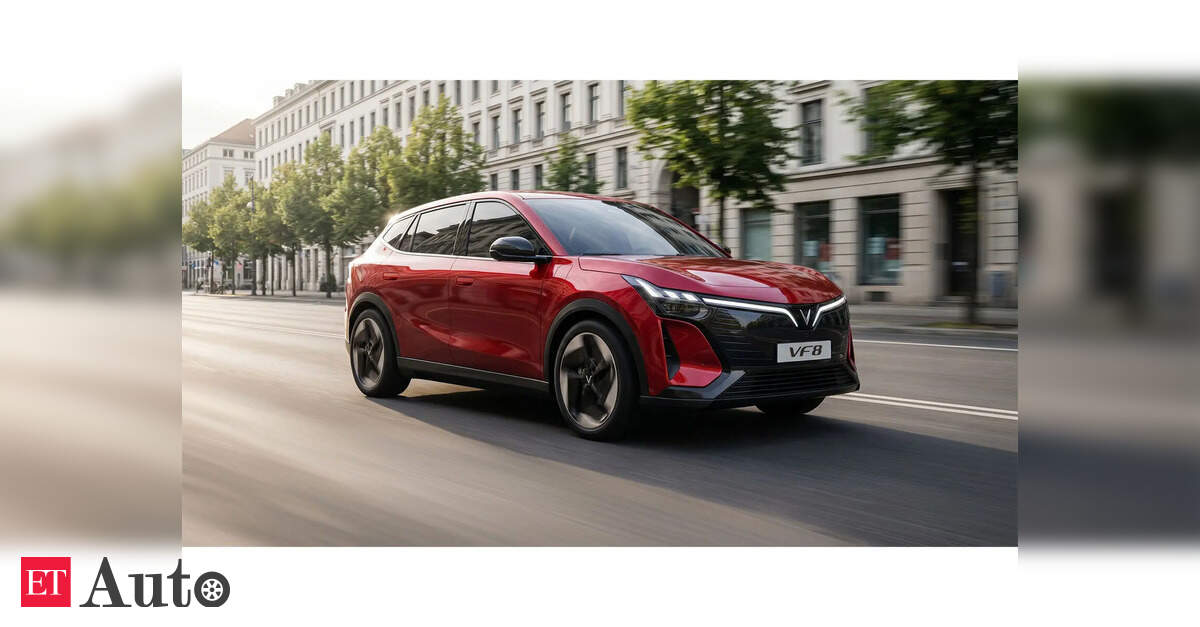
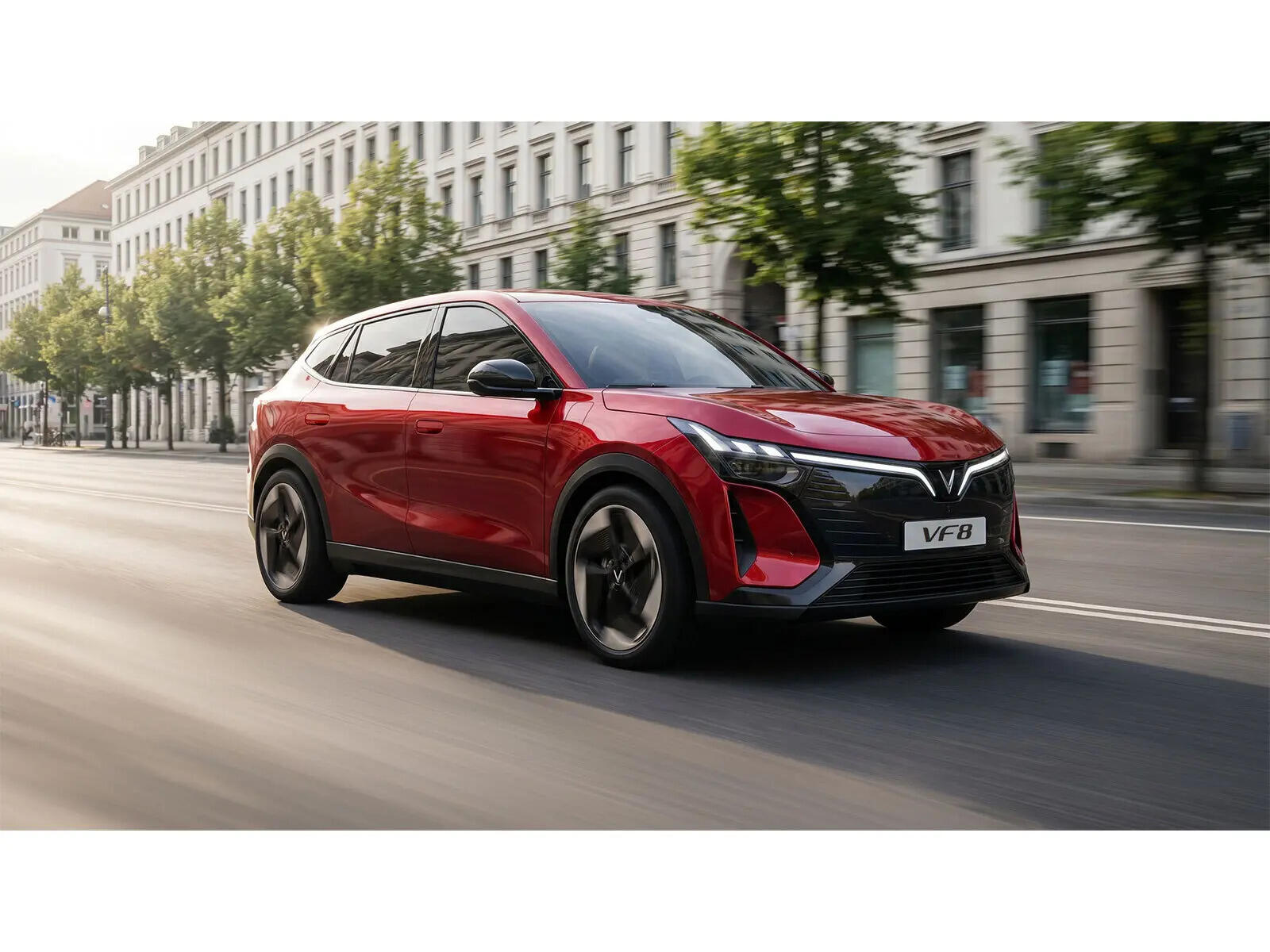
Industry experts attribute VinFast’s stronger performance to its early localisation efforts and aggressive pricing. The company established a 400-acre manufacturing facility in Thoothukudi, Tamil Nadu, allowing it to avoid steep import duties and price its models competitively. Its VF6 starts at ₹17.29 lakh, VF7 at ₹21.89 lakh, and VF MPV 7 at ₹24.49 lakh.
Tesla, in contrast, entered India primarily through imports, positioning the Model Y close to ₹60 lakh, limiting its appeal in a market dominated by value-conscious buyers.
“Tesla’s delayed India entry eroded the novelty factor the brand rides on globally,” Gaurav Vangaal, Associate Director, Light Vehicle Forecasting, S&P Global Mobility told Financial Express. He noted that by the time Tesla launched its Mumbai experience centre in July 2025, premium EV offerings from BMW, Mercedes-Benz, Volvo and BYD had already strengthened their presence.
Analysts said the Indian EV market’s strongest demand currently lies in the ₹15 lakh-₹30 lakh segment, where companies such as Mahindra and VinFast have built significant volumes. Mahindra alone sold over 32,000 EVs during the same eight-month period.
Pham Sanh Chau, CEO of Vingroup Asia, the parent company of VinFast, said India remains a highly value-driven market where brand recognition alone is insufficient without localisation, charging infrastructure and after-sales support.
Tesla has also lagged in charging infrastructure expansion, currently operating only five Supercharger stations nationwide. However, the company appears to be adapting its strategy with the launch of the six-seater Model Y L in April 2026, aimed at India’s chauffeur-driven luxury segment.
Experts believe Tesla’s long-term growth in India will depend on local manufacturing, broader charging infrastructure and products targeted at the mass-market EV segment.