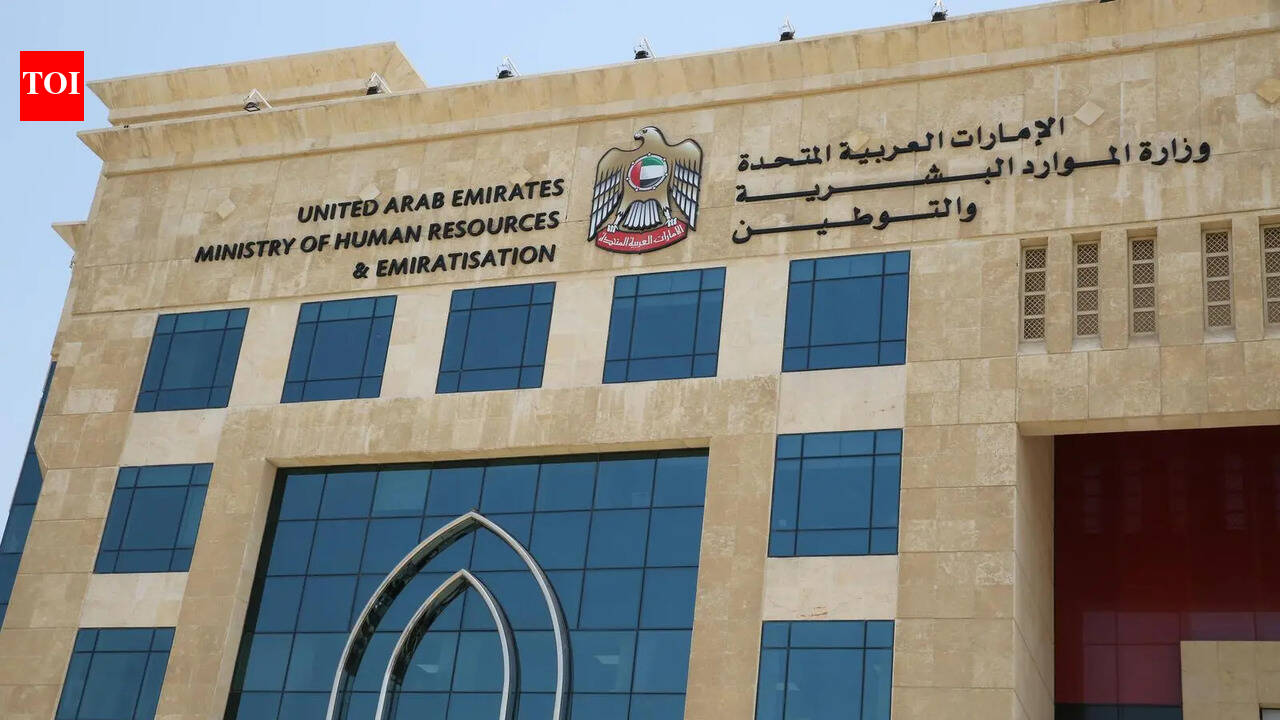


UAE sets one salary deadline for all private sector firms starting June 2026 / Image: @MOHRE
The UAE has announced one of its strongest wage protection reforms in years, ordering all private-sector companies to pay employee salaries on the first day of every Gregorian month starting June 1, 2026, as authorities intensify efforts to tighten labour compliance and strengthen worker protections across the country.The new rule, introduced under Ministerial Resolution No. 340 of 2026 by the Ministry of Human Resources and Emiratisation (Mohre), standardises salary payment deadlines across the private sector and removes the flexibility companies previously had regarding payroll schedules. Under the updated Wage Protection System (WPS), any salary transferred after the first day of the month will officially be treated as a delayed payment.The move directly impacts millions of expatriate workers across the UAE, many of whom rely on monthly salary transfers for rent payments, school fees, remittances and loan obligations. Authorities say the reform is designed to create a more transparent salary system while improving monitoring mechanisms for delayed or unpaid wages.
UAE sets unified salary deadline
According to the resolution issued on May 12, all establishments registered with Mohre must transfer salaries for the previous month by the first day of the following month through approved WPS channels or other ministry-authorised payment systems. In its official statement, the ministry said: “All establishments registered with the ministry shall pay the wages of their workers on the due date through the Wage Protection System.”The reform effectively creates a nationwide standard payroll date for private companies operating in the UAE. For example, salaries for June 2026 work must be paid no later than July 1, 2026. Any payment after that date will automatically be flagged by the system as delayed.The Wage Protection System itself was originally launched in 2009 by Mohre in partnership with the Central Bank of the UAE to electronically track salary payments and ensure workers receive wages accurately and on time. The ministry recently revealed that the system now covers more than 99 per cent of private-sector workers in the country, with monthly wage transfers exceeding Dh35 billion.
UAE penalties under new 2026 rules
The updated framework significantly strengthens enforcement mechanisms for companies that fail to comply with salary deadlines. While the government already monitored delayed wage payments under the WPS, the new rules introduce a fixed due date that makes violations easier to detect and enforce automatically.Under the revised rules, companies will be considered compliant if they transfer at least 85 per cent of total wages due on time. Authorities clarified that a worker will still be treated as paid if they receive at least 85 per cent of their salary and the remaining amount relates to lawful deductions permitted under UAE labour regulations.The new compliance system also introduces faster penalties for non-payment and repeated delays. Industry compliance experts say work permit suspensions may now begin within days of non-compliance, while continued violations could lead to administrative penalties, labour disputes and potential travel bans on responsible company officials.Existing UAE labour regulations already allow authorities to suspend new work permits and refer severe cases to prosecution when salaries remain unpaid for extended periods. Employers can also face fines reaching Dh5,000 per affected employee, capped at Dh50,000 per case in certain situations.The ministry has also made it clear that companies cannot avoid responsibility for delayed salaries because of client payment issues or cash-flow disputes. Under UAE labour law, employee wages remain a direct employer obligation.
Why the UAE’s salary rule matters?
For Gulf residents, particularly expatriates working in the UAE’s private sector, salary timing is often directly linked to daily financial commitments. Most workers structure monthly expenses around predictable salary dates, including rent cheques, credit card repayments, utility bills, school tuition and money transfers to families abroad.Banking systems across the UAE are also deeply integrated with salary transfers. Regular WPS salary records are often required for personal loans, credit cards, mortgage approvals and tenancy contracts. A delayed salary can therefore create wider financial stress beyond the workplace itself.The UAE government appears to be positioning the reform as part of a wider labour-market modernisation strategy focused on digital oversight, faster compliance tracking and stronger worker confidence in the private sector.For businesses, however, the reform could create new operational pressure, especially for small and medium-sized firms with irregular cash-flow cycles. Companies may now need to process payroll earlier, maintain stronger liquidity reserves and submit Salary Information Files (SIF) to banks several days in advance to avoid accidental delays caused by banking or technical issues.Payroll specialists say even rejected or delayed SIF uploads can trigger compliance issues under the WPS system because salaries must actually reach employee accounts within the required timeline.
Looking ahead
The salary deadline reform arrives amid broader efforts by the UAE to modernise labour regulations, improve transparency and strengthen protections for both local and expatriate workers. Over recent years, authorities have expanded digital labour inspections, tightened employment compliance systems and increased oversight of wage-related disputes.Mohre has repeatedly described timely salary payment as a core worker right protected under UAE labour law. On its official awareness platform, the ministry states that workers are guaranteed the right to receive wages “on time and in the manner agreed upon in the employment contract” through the Wage Protection System.The UAE government has increasingly relied on automated systems to identify labour violations in real time, helping authorities quickly detect delayed salaries, missing payments and suspicious payroll activity. The latest resolution further expands that oversight by creating a single national salary deadline applicable across the private sector.With the June 1, 2026 implementation date now confirmed, payroll departments, HR teams and business owners across the Gulf are expected to begin adjusting systems well ahead of the deadline as the UAE moves toward a stricter, digitally monitored salary payment regime. Go to Source