
–
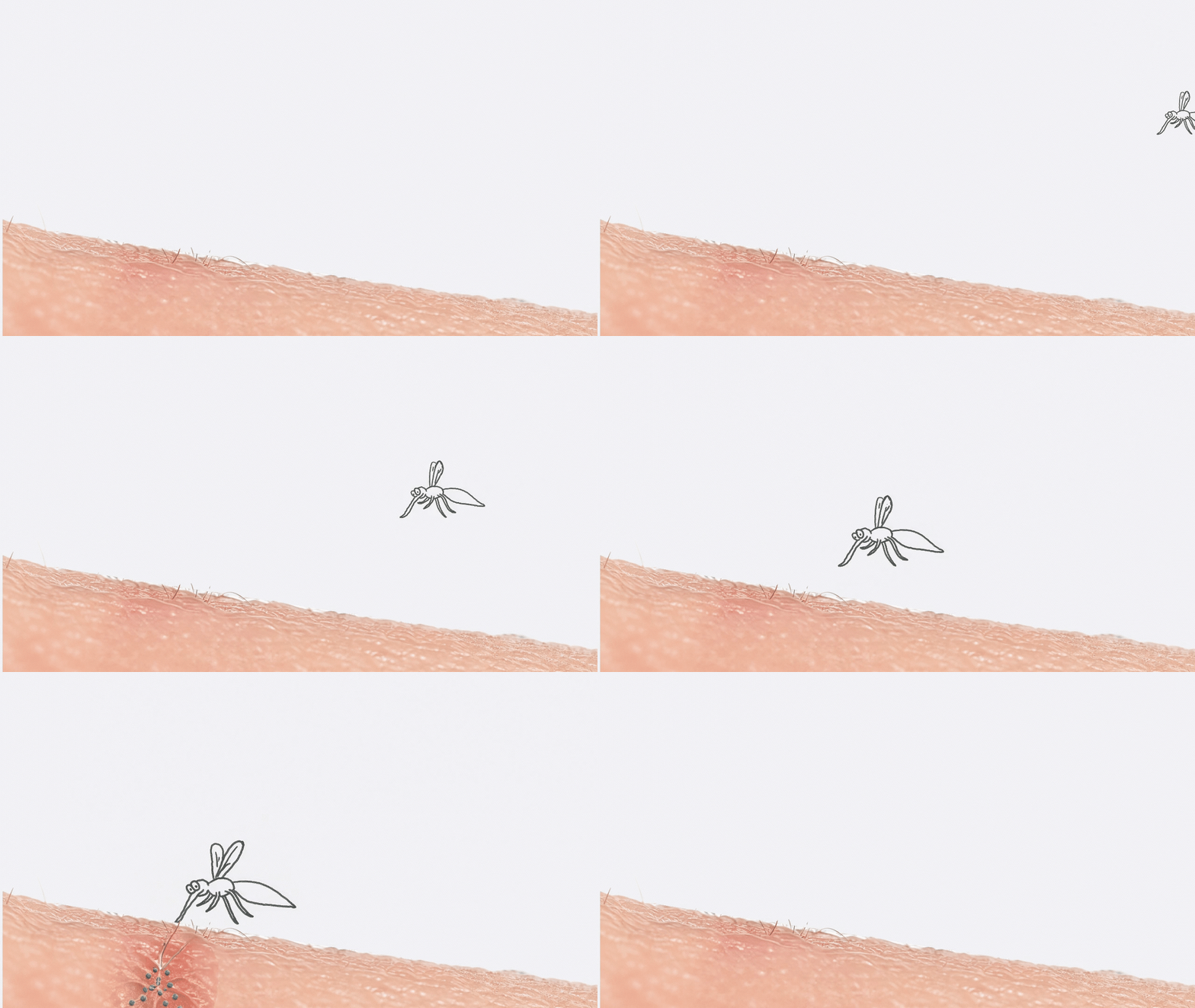
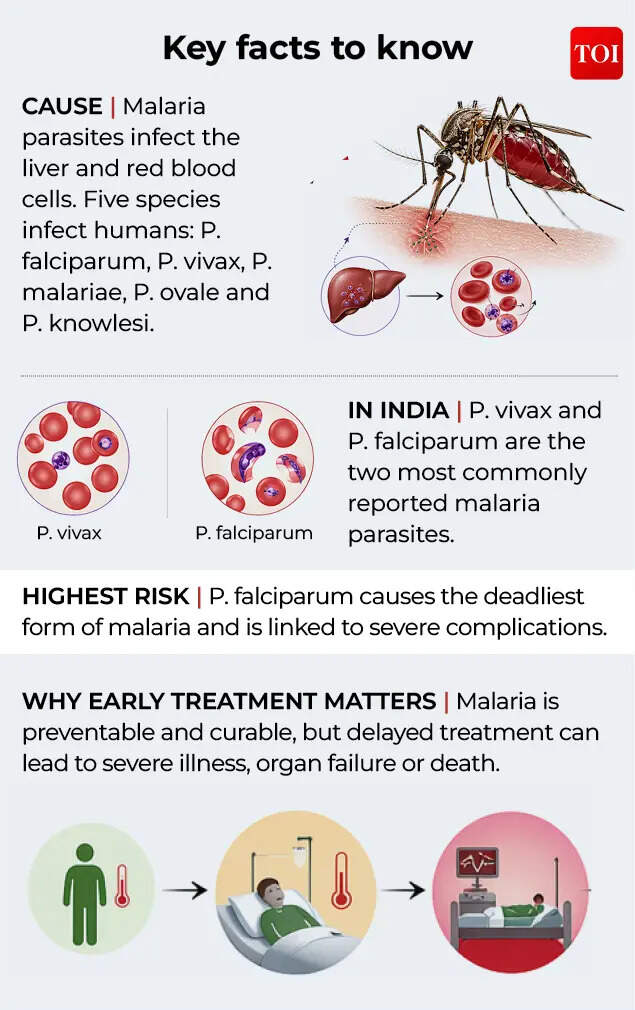
Monsoon is often associated with familiar seasonal scenes, rain-filled streets, paper boats drifting through waterlogged lanes, greener landscapes, plates of hot pakoras shared over conversation and tea, and the earthy scent of petrichor after rainfall. Yet behind this romanticised beauty lies a more serious public health reality marked by waterlogging in low-lying areas, stagnant pools that become ideal breeding grounds for mosquitoes, and a seasonal rise in vector-borne diseases. What begins as a season of charm and relief from the heat can quickly turn challenging, especially for vulnerable groups such as infants, the elderly, pregnant women, and individuals with weakened immunity, who face a higher risk of infection and complications.Among these, malaria remains one of the most concerning. What makes it particularly dangerous is a common misconception, the mosquito is only the carrier, not the true cause. The real culprit is a microscopic parasite transmitted through the bite of an infected female Anopheles mosquito. Once inside the bloodstream, these parasites multiply rapidly, invading red blood cells and disrupting normal body function. If not diagnosed and treated in time, the infection can escalate from fever and chills to severe complications and, in some cases, death.
.
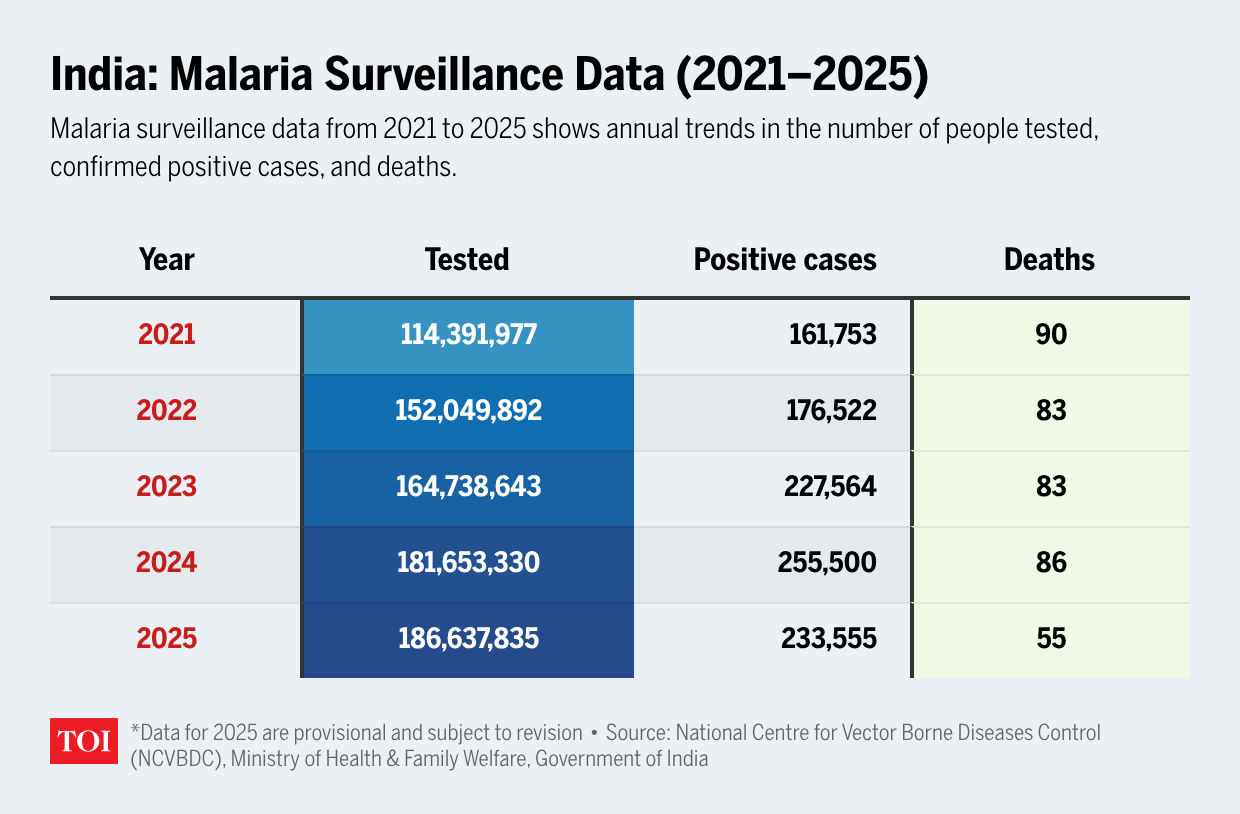
With the monsoon approaching, malaria awareness campaigns are set to regain visibility across schools, colleges, health centres, and public spaces across India. Advisories encourage people, particularly children, to wear full-sleeved clothing, use mosquito repellents, and prevent stagnant water from collecting around homes. These messages highlight a small but significant threat: the female mosquito that bites unnoticed. The danger lies in its silence, as symptoms may appear days or even weeks later, by which time the parasite may already have taken hold.The scale of the malaria challenge extends far beyond seasonal warnings. According to the World Health Organization, there were an estimated 282 million malaria cases globally in 2024, resulting in around 610,000 deaths, a slight increase from the previous year. Most cases occur in sub-Saharan Africa. While India accounts for a smaller share of the global burden, it remains a key focus country in the South-East Asia region due to its population size and persistent transmission in certain ecological pockets.Government data reflects both progress and ongoing challenges. Over the past two decades, malaria incidence in India has declined sharply, from millions of cases in the early 2000s to around 2–2.5 lakh annually in recent years, according to the ministry of health and family welfare. Deaths have also fallen significantly, remaining below 100 annually. These gains align with India’s goal of malaria elimination by 2030.
–
However, progress is uneven. Malaria has become increasingly localised, concentrated in specific districts rather than spread uniformly across states. This clustering is most evident in forested, tribal, and hard-to-reach regions where environmental conditions, seasonal migration, and gaps in healthcare access sustain transmission.
Why certain regions remain malaria hotspots
Despite overall national progress, malaria remains concentrated in specific geographic pockets. States such as Odisha, Chhattisgarh, Jharkhand, and Meghalaya, once major contributors to India’s malaria burden, have seen sustained declines. Madhya Pradesh, Arunachal Pradesh, and the Andaman and Nicobar Islands have also reported significant reductions. These improvements reflect intensified surveillance, vector control measures, and targeted public health interventions.At the same time, transmission persists in smaller high-risk pockets. In the Northeast, parts of Mizoram and Tripura continue to report higher relative burden, particularly in districts with dense forest cover, difficult terrain, and cross-border movement. Within Mizoram, districts such as Lunglei, Lawngtlai, Mamit, and Siaha account for a large share of cases, showing how transmission is now concentrated at sub-district levels.Nationally, India has recorded an estimated 80–87% reduction in malaria cases since 2015, with cases declining from over 11 lakh to around 2.27 lakh in 2023, and deaths dropping from 384 to 83. This has placed India in a “low transmission” phase and led to its exit from the High Burden to High Impact (HBHI) group. Elimination gains are also visible at finer geographic levels. Multiple regions, including Ladakh, Lakshadweep, and Puducherry, have reported zero cases in recent years. In 2023, over 120 districts reported no malaria cases, highlighting district-level progress.However, experts caution that the final phase of elimination is the most complex. As cases decline, malaria becomes harder to detect and easier to miss. Asymptomatic infections, reduced vigilance, and localized outbreaks linked to construction activity and stagnant water in urban settings pose emerging risks. Sustained surveillance, including strengthening the Annual Blood Examination Rate, remains critical for early detection and treatment.
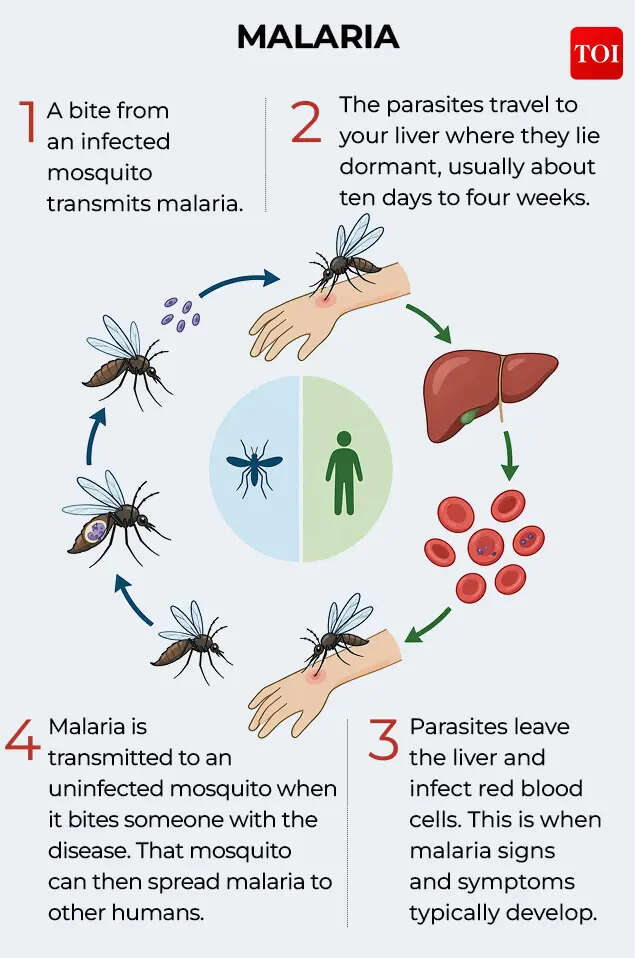
–
India’s malaria trajectory reflects a dual reality: a dramatic long-term decline alongside persistent, highly localized transmission. While national averages show progress, the disease remains entrenched in specific ecological and socio-economic pockets. Achieving elimination by 2030 will depend on targeted district-level interventions, uninterrupted surveillance, and sustained investment in high-risk zones.The concentration of malaria in specific regions is shaped by environmental, social, and infrastructural factors. Forested and forest-fringe areas provide favourable conditions for mosquito breeding, especially where rainfall creates stagnant water pools. Warm temperatures, humidity, and dense vegetation further support mosquito survival.Many high-burden districts are in remote and tribal areas, where geographical isolation limits access to healthcare. Delays in diagnosis and treatment, along with gaps in prevention, allow transmission to persist. Housing conditions, poor drainage, and reliance on open water sources may further increase exposure to mosquito bites.
How is climate change related to malaria?
Climate change adds an additional layer of risk. Rising temperatures, shifting rainfall patterns, and increased humidity may alter mosquito habitats and extend transmission seasons, potentially increasing malaria vulnerability in areas that were previously less affected.According to the United Nations Development Programme (UNDP), the link between climate and the spread of malaria is well established, with temperature, rainfall, and humidity influencing mosquito survival and transmission patterns. A well-known study titled Impact of climate change on global malaria distribution, published in the Proceedings of the National Academy of Sciences (PNAS) in 2014 by Caminade and colleagues, highlights that climate change is likely to reshape the geographic suitability of malaria transmission rather than simply increase it everywhere. The study suggests that highland and fringe regions of Africa, parts of South America, and parts of South and Southeast Asia could see increased climatic suitability for malaria transmission as temperatures rise, potentially allowing mosquitoes and parasites to survive in areas that were previously too cool. However, the study emphasized that these shifts were highly uncertain and strongly moderated by non-climatic factors such as public health interventions, land use change, and socioeconomic development, which ultimately determine whether climatic suitability translates into actual disease burden.
Prevention: The first line of defense
Preventing malaria begins with reducing exposure to mosquito bites, as well as limiting the conditions in which mosquitoes can breed. Key measures include:
- Using insecticide-treated bed nets, particularly at night when Anopheles mosquitoes are most active
- Eliminating stagnant water around homes, such as in containers, coolers, tyres, and construction sites, to prevent breeding
- Wearing protective clothing, including full-sleeved shirts and long trousers, especially during evening and early morning hours
- Using mosquito repellents on exposed skin or clothing
- Ensuring proper drainage and sanitation to avoid water accumulation in and around living areas
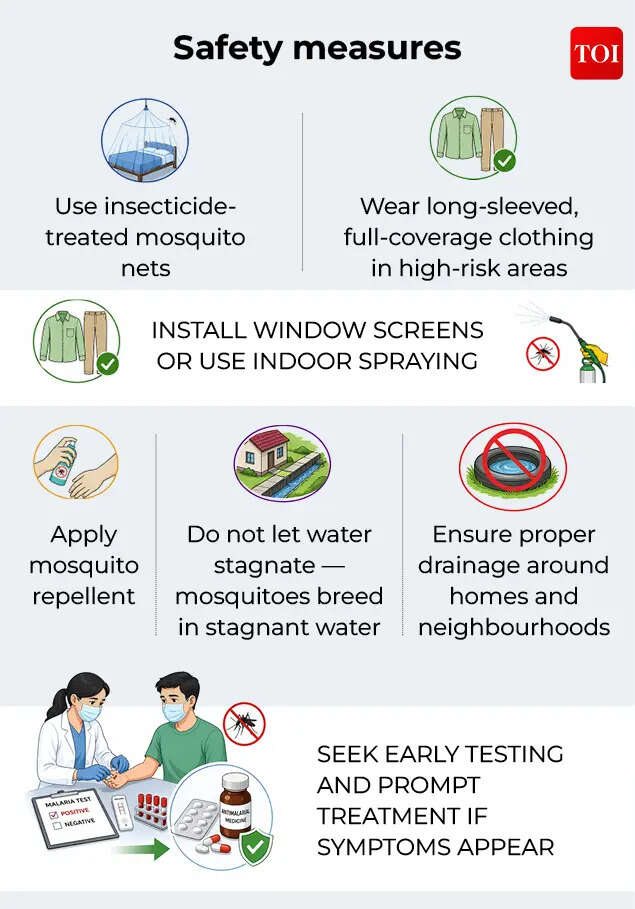
Safety measures
In addition to individual precautions, community-level action plays a critical role. Regular cleaning drives, awareness campaigns, and coordinated efforts to manage waste and waterlogging can significantly reduce mosquito density. Early reporting of fever cases and timely testing also help in preventing further transmission.Community awareness and participation are essential, especially in high-risk areas where environmental and social factors make sustained prevention more challenging.
What doctors say: Symptoms, risks, and treatment challenges
Doctors note that malaria often does not present clearly in its early stages, making timely diagnosis difficult.“Malaria can often be differentiated from other illnesses, but in the early stages it can be tricky because it may begin like any other fever, with headache, body pain and fatigue,” says Dr Rajmadhangi D, MD (Internal Medicine), MRCP (London), Apollo Spectra Hospital, Chennai
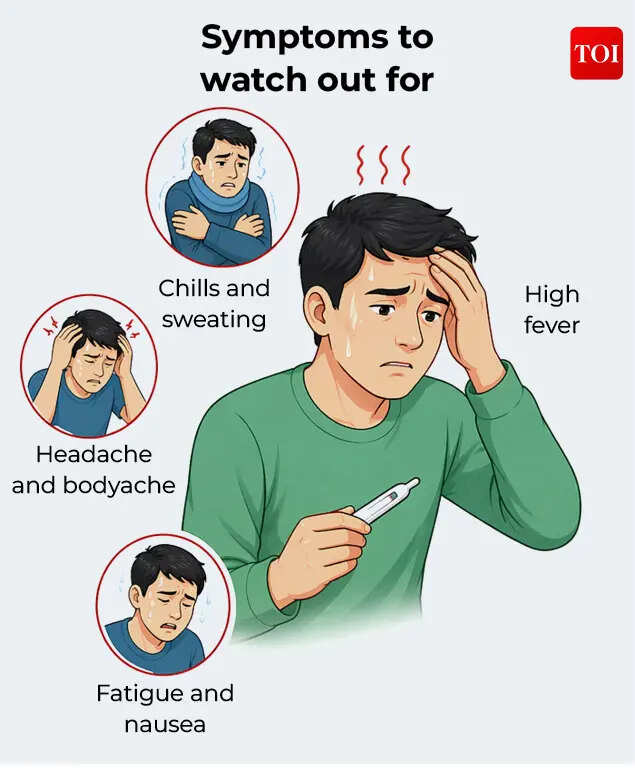
Symptoms to watch out for
While many associate malaria with a characteristic fever cycle, this pattern is not always reliable.“The fever may come at certain intervals, and that periodicity can vary depending on the type of malarial parasite, including falciparum malaria,” she explains. “However, a common misconception is that malaria always follows a fixed pattern of fever. That is not always true. The pattern can change, and sometimes fever may even be continuous.”As the disease progresses, more specific warning signs may appear.“Severe fatigue, falling haemoglobin levels, blackish urine, particularly in falciparum malaria, and bleeding complications can also provide clues. These signs can suggest malaria, but some may only appear as the illness progresses.”One of the major concerns in malaria control today is the growing threat of drug resistance, often linked to incomplete treatment.“Drug resistance in malaria is largely driven by incomplete treatment,” says Dr Rajmadhangi D. “People usually take the medicine until they feel better and then stop, but the parasite can persist in a dormant stage in the liver. If this stage is not fully eliminated with the complete prescribed course, the infection can return, and the parasite may develop resistance to the drug.”
.
She emphasises that strict adherence to the full course of treatment is essential to prevent relapse and limit the spread of resistant strains.Doctors also highlight the importance of prevention, particularly during the monsoon season when cases tend to rise due to waterlogging.“Waterlogging, old containers, tyres, coconut shells, and any objects that collect rainwater should be cleared. Drainage should be covered, and biological control like introducing larvivorous fish such as Gambusia can also help.”Simple protective steps can make a significant difference.“Using mosquito nets, window screens, and fully covered clothing is important, especially for children who are outdoors in school or garden areas.”Delays in treatment can have serious consequences, particularly for vulnerable groups.“Untreated malaria can progress to severe disease, including septic shock or haemorrhagic complications, which can be fatal,” she warns. “Children and immunocompromised individuals such as cancer patients, diabetics, elderly patients, and post-transplant patients are at higher risk of rapid deterioration.”
Why this conversation matters
In India, malaria cases have declined by over 80% from about 1.17 million in 2015 to around 227,000 in recent years, with deaths dropping from 384 to about 83. Over 120 districts reported zero cases by 2023, and India exited the WHO High Burden to High Impact group. This progress has been driven by improved surveillance, the “Test, Treat, Track” strategy, widespread distribution of insecticide-treated nets, integration under Ayushman Bharat, and digital monitoring systems.However, challenges remain in forested, tribal, border, and rapidly urbanising areas, along with concerns about drug resistance, and climate-linked changes in mosquito ecology.Observed annually on April 25, World Malaria Day serves as a reminder of both the progress made and the work that remains in controlling and eliminating the disease. India aims for zero indigenous malaria cases by 2027 and full elimination by 2030, but sustaining progress will require intensified surveillance, targeted interventions, and stronger coordination in high-risk regions. Go to Source