
PC: Google Gemini
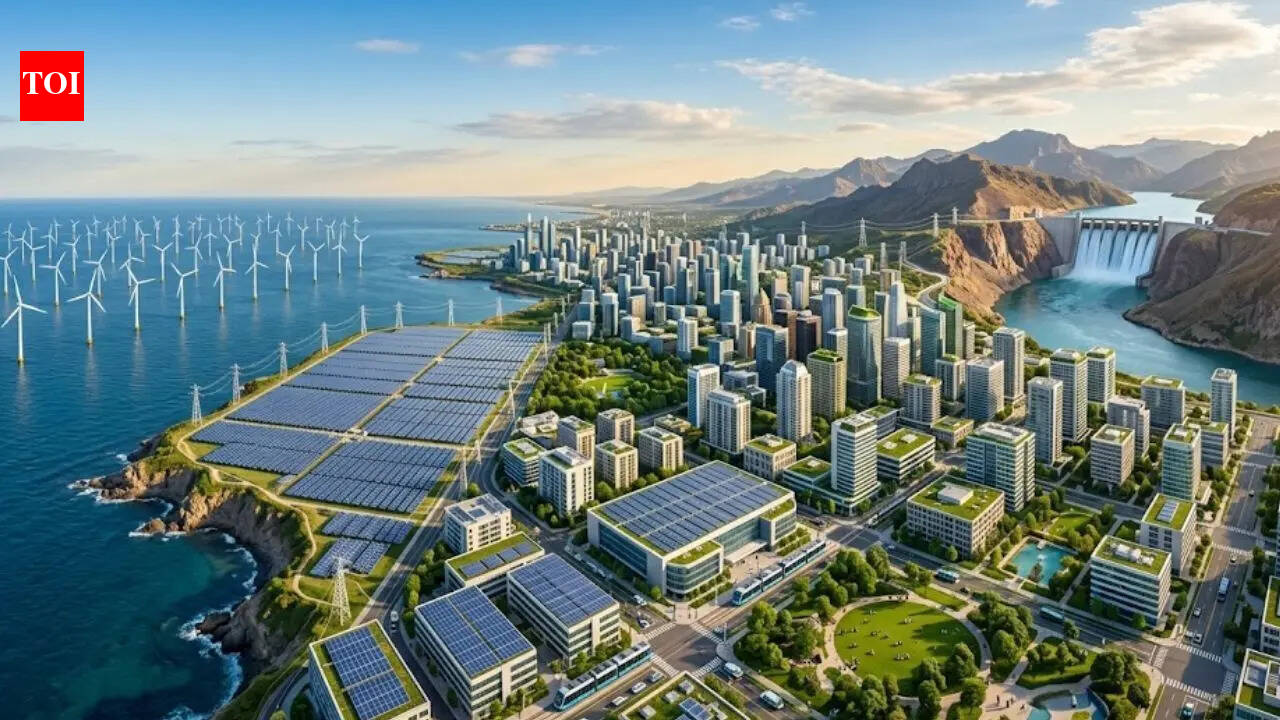
The shift toward the use of sustainable energy sources is a profound transition in the energy system in the United States. A select few but emerging number of towns and cities throughout the country are beginning to successfully integrate renewable energy sources into their electricity supply as part of their effort to reduce dependence on fossil fuels. These towns and cities utilise a variety of renewable energy sources (hydroelectric power, wind, and solar) to achieve carbon neutrality and improve energy reliability.The development of clean energy resources is helping to reduce greenhouse gas emissions while also creating lasting economic growth and promoting responsible stewardship of the environment in these communities. This report will focus on those towns and cities that are providing leadership in this transition by constructing and using locally based renewable technologies as a model for developing a clean and sustainable energy future throughout the United States. These pioneering municipalities demonstrate that localized renewable energy infrastructure is a scalable, essential pathway toward achieving national carbon neutrality goals effectively.
The role of renewable energy in the US
Renewable sources of energy, such as wind, solar, hydropower, geothermal, and biomass, provide sustainable and renewable energy needed to lower carbon dioxide emissions. The electric power sector in the United States has been significantly increasing the amount of renewable resources produced each year, which is a key part of the country’s efforts toward energy security and climate mitigation. According to data collected by the federal government, fossil fuels are still a major energy source, but the amount of renewables has consistently grown every year because of improvements in technology, making these sources more reliable and financially viable for use.Burlington, VermontBurlington is one of the first cities in the US to run solely on renewable electricity or meet 100 per cent renewable supply within the nation. Burlington Electric Department manages Burlington’s electricity portfolio and provides a mixture of resources to maintain reliability and stability for the grid. The resources used to generate electricity cover three major renewable categories: biomass (local wood at the McNeil Generating Station), hydroelectric (from the Winooski River) and wind (from the Georgia Mountain Community wind farm). Additionally, rooftop solar PV arrays are part of the diversified approach developed to supply the city with stable rates for its residents while also providing a substantial reduction to the city’s overall carbon footprint.Aspen, ColoradoSince 2015, the city of Aspen’s electric utility has used renewable energy sources exclusively. The city’s plan for powering its electric utility is largely based on hydroelectricity, with this type of energy being used as early as 1885, along with a number of substantial wind energy agreements through the Municipal Energy Agency of Nebraska and some energy produced from landfill gas. The Canary Initiative, launched in 2005, is part of the city’s plan to transition off fossil fuels and make it more durable as a tourist destination by identifying how vulnerable this type of community is to climate change as a mountain resort.Rock Port, MissouriIn 2008, Rock Port, Missouri, became the first US community to completely utilise wind energy and gained national recognition. Located in the US Wind Corridor, the city is served by four turbines that produce renewable energy from farming land. The efficiency of the turbine system allows the city to generate excess power in many cases and provide the additional power back to the regional grid. The project illustrates the economic advantages of renewable energy in rural areas, providing local landowners with long-term stable income from lease agreements as well as generating additional revenue for local tax collections, supporting the economic advantage of renewable power produced in small-scale community-based projects using wind energy.Kodiak, AlaskaLocated off the lower 48 states of the United States, Alaska’s Kodiak Island represents how communities are finding ways to come up with solutions for communities that are far away from cities. For years, Kodiak Island has relied on diesel generators to provide its residents with electricity. The island is now able to provide residents with 100 per cent renewable electricity through hydropower and wind. The Kodiak Electric Association has made investments over the years that include the installation of wind turbines and battery storage to add renewable energy sources to its existing hydroelectric facilities. This investment helps ensure electricity will continue to be delivered to Kodiak, Alaska, even when faced with challenging weather conditions.Greensburg, KansasIn Greensburg, Kansas, residents did not make their transition to renewable energy without experiencing a setback. The community was devastated by an EF5 tornado that destroyed nearly all buildings in the community in May of 2007. The effect the tornado had on the community was significant. The local government used the funds from FEMA and private donations to rebuild the electrical infrastructure with a focus on investing in wind and solar energy, which has allowed the community to become a net exporter of electrical energy. Greensburg now produces more than twice its own electrical requirements, selling the surplus electricity to the surrounding area.Georgetown, TexasLocated in Texas, Georgetown is a small city with fewer than 100,000 residents, but the city is an example of how adopting renewable energy can be economically beneficial. When Georgetown decided to look at alternative sources of energy, they were interested in renewables for their cost-effectiveness; however, they quickly became aware of the benefits of switching to renewable sources from an environmental standpoint. In 2017, Georgetown became fully reliant on renewable energy after the city executed long-term contracts for the purchase of both solar and wind power at fixed rates. This allowed Georgetown to establish operating costs that were stable and hedge against fluctuations in the price of traditional fossil fuels. Go to Source