


The 41st day of the Middle East conflict and the second day of the declared ceasefire reveal complex behind-the-scenes maneuvers. While Iran and the United States present contrasting claims—Washington insisting Iran initiated talks, Tehran asserting America was forced to negotiate—new revelations indicate a multifaceted strategy. Financial Times reports that during the tense negotiations, former US President Donald Trump simultaneously issued nuclear threats toward Iran while privately orchestrating a diplomatic pathway to de-escalate the crisis. Recognizing Iran’s steadfast resistance, the US sought a neutral intermediary to facilitate discussions. Pakistan, sharing a long border with Iran and having regional influence, was chosen as the mediator. Continuous coordination took place between US officials, Pakistani leadership including Prime Minister Shehbaz Sharif, and military leaders to persuade Iran to accept a ceasefire. The move was designed as a face-saving measure, allowing the US to project strength while ending hostilities diplomatically. Reports suggest that persistent efforts starting March 21 included multiple channels of negotiation, highlighting the delicate balance between coercion and diplomacy. This insight sheds light on the strategic undercurrents shaping the ceasefire, emphasizing that public statements often mask intense backchannel negotiations. The situation underscores the complexities of Middle East diplomacy, where military threats, international pressure, and regional partnerships converge to influence outcomes. Analysts note that the true test of the ceasefire will depend on Iran’s response and adherence to the agreed terms in the coming days.
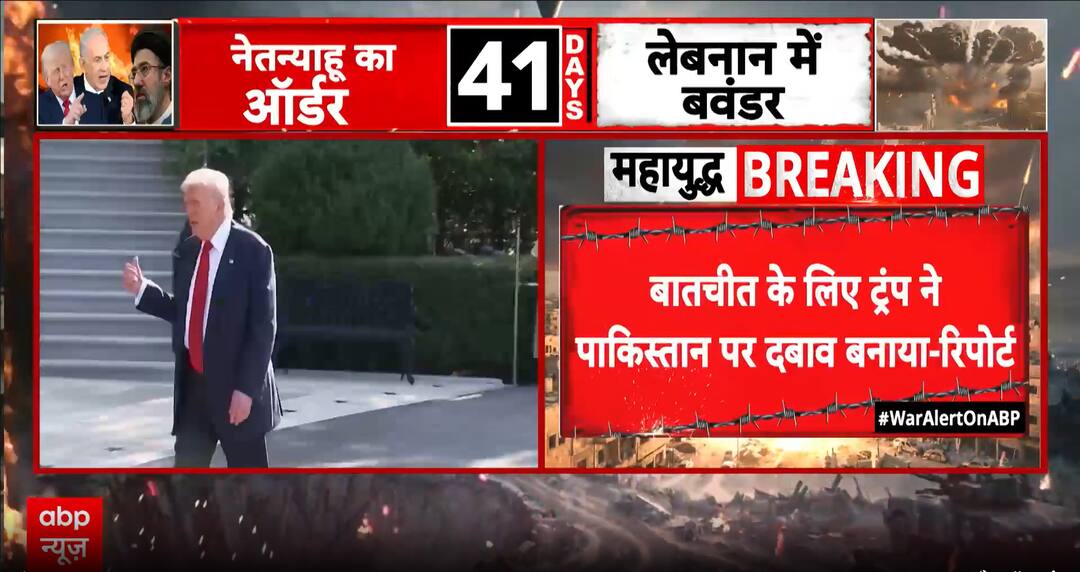
CEASEFIRE INSIDER: US Pressured Pakistan to Mediate with Iran; Trump Threats Behind the Scenes
Previous article

Next article
