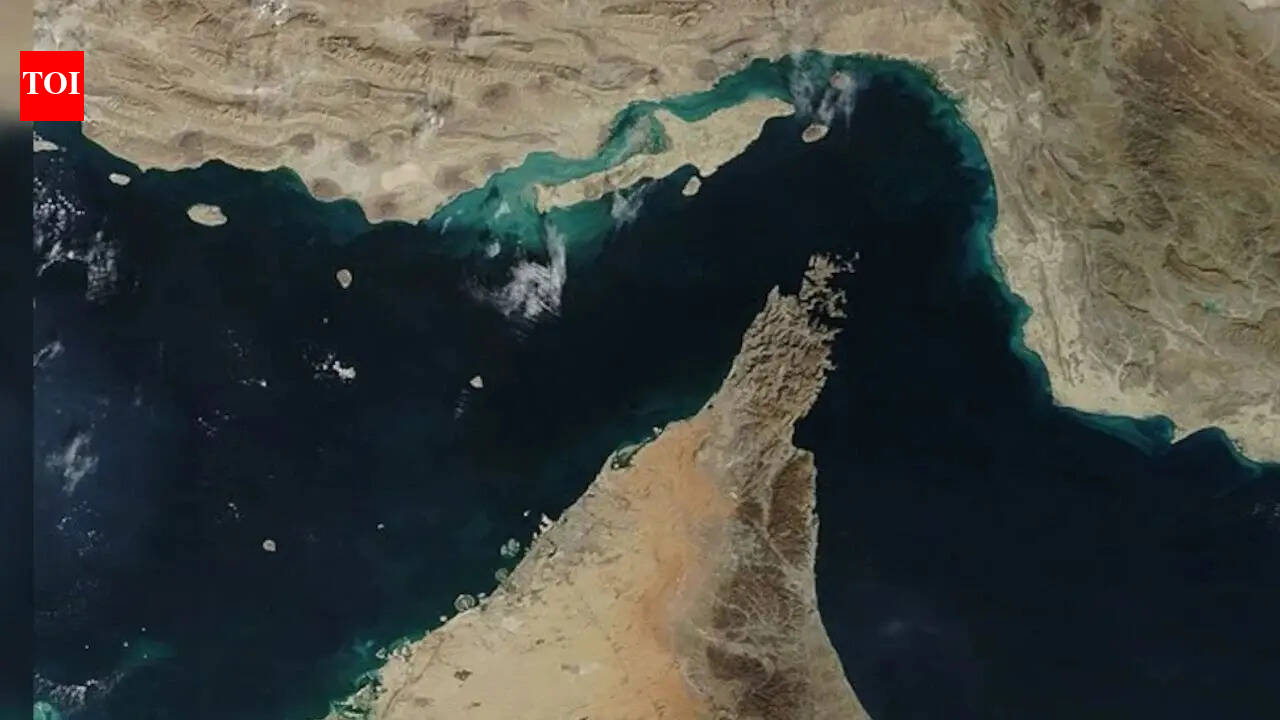
On the 35th day of the ongoing conflict, the Strait of Hormuz has emerged as a critical global flashpoint, drawing strong reactions from major international powers. The European Union has issued a firm statement declaring that Iran has no legal authority to impose fees on commercial vessels passing through the strategic waterway. The EU emphasized that any such move would constitute a direct violation of international maritime law. The United Nations has also weighed in, reaffirming that all nations have the right to unhindered passage through international sea routes. This comes amid rising concerns that Iran’s actions could disrupt global trade and energy supply chains. The Strait of Hormuz is a vital artery for global oil transport, accounting for nearly 20% of the world’s oil shipments. In response to the growing crisis, the United Kingdom has taken a diplomatic lead by coordinating with around 60 countries, including India, to push for reopening the passage through dialogue rather than military action. India highlighted the direct impact on its energy security and called for peaceful negotiations to resolve the standoff. France has echoed similar sentiments, stressing that the situation must be resolved through diplomacy, not force. Meanwhile, Iran has maintained a defiant stance, signaling that access may remain restricted, especially for nations aligned against it. As tensions escalate and oil prices remain volatile, the world watches closely, awaiting a diplomatic breakthrough to stabilize one of the most crucial maritime routes.