
 The company said it dispatched more than 585,000 vehicles through railways in calendar year 2025. Rail’s share in outbound logistics has increased from 5 per cent in 2016 to 26 per cent in 2025.
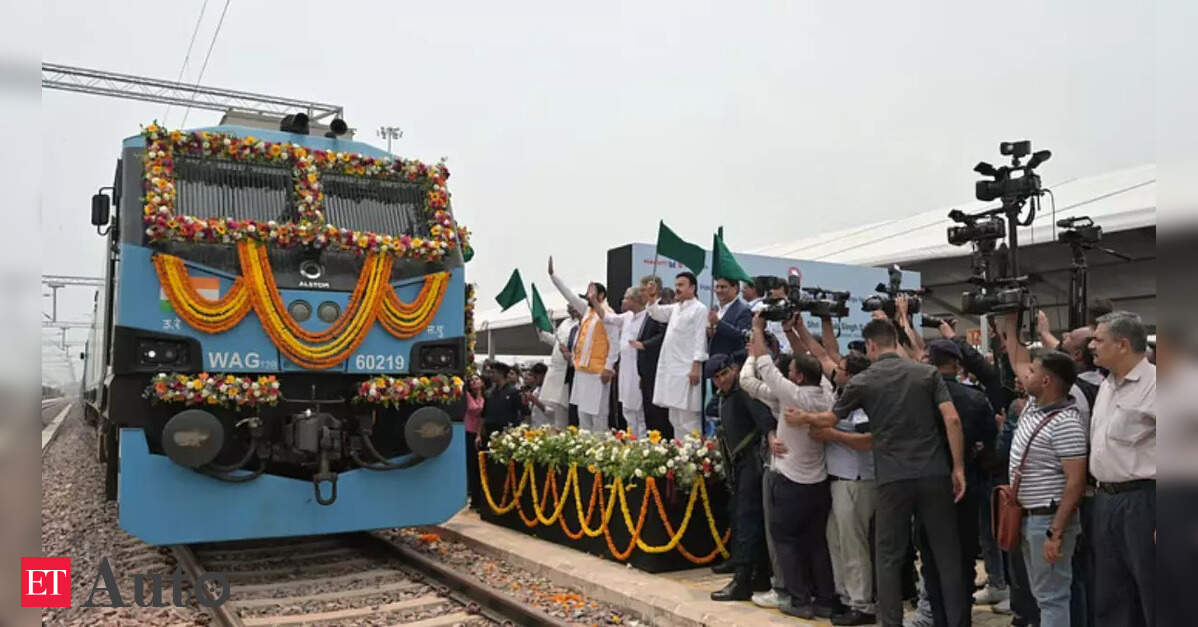
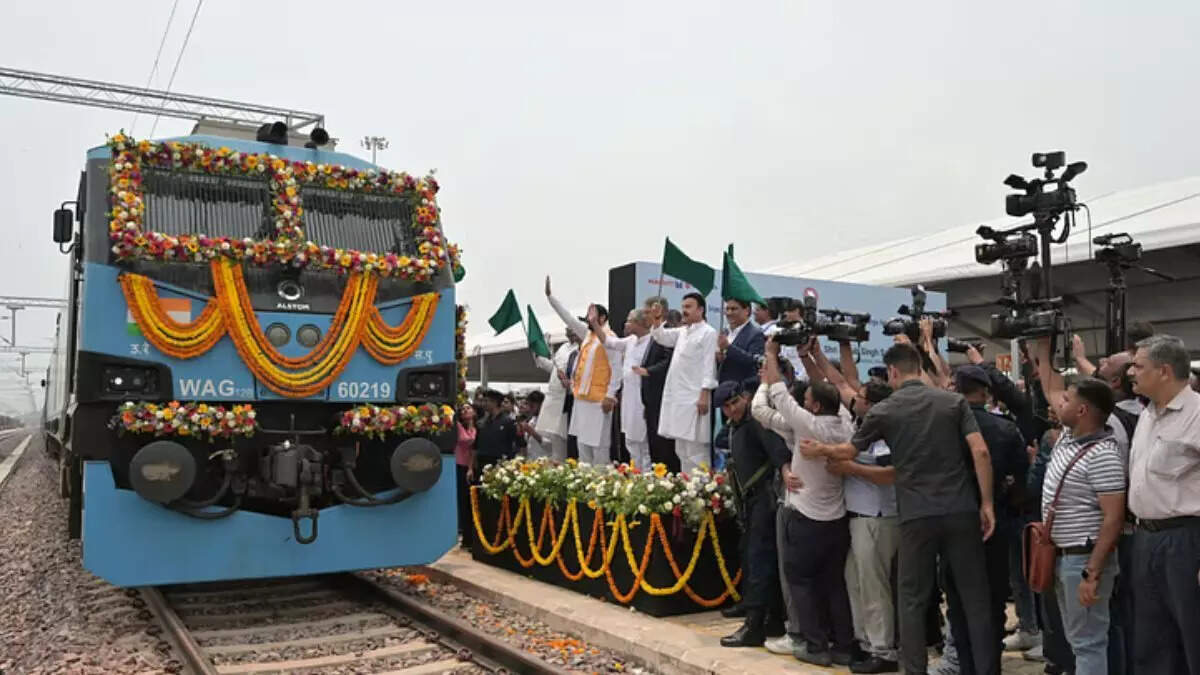
Maruti Suzuki India Ltd on Wednesday said its in-plant railway siding at Manesar has dispatched 100,000 vehicles since operations began in June 2025, reaching the milestone within nine months.
The company said that the shift to rail has resulted in an estimated avoidance of 16,800 metric tonnes of CO2 equivalent emissions.
The Manesar facility is the company’s second in-plant railway terminal developed under the PM GatiShakti initiative, after its Gujarat siding. It is also described as the largest automobile in-plant railway facility in India.
Vehicles manufactured at the company’s Gurugram and Manesar plants, including models such as Alto, WagonR, Brezza, Dzire, Ertiga, Celerio, XL6, Eeco and Super Carry, are being dispatched through the siding. The facility has handled more than 500 rakes and connects 380 cities through 17 hubs under a hub-and-spoke model.
Rail logistics push
Hisashi Takeuchi, managing director and chief executive officer, said the siding was inaugurated in June 2025 by Union minister Ashwini Vaishnaw and Haryana Chief Minister Nayab Singh Saini.
“I am happy to share that within a short span of nine months, we have dispatched 100,000 units through this siding. This initiative reinforces our commitment to reduce carbon footprint in vehicle dispatches while easing overall road congestion,” said Takeuchi.
He added that the siding has the capacity to dispatch up to 450,000 units annually.
The company said it dispatched more than 585,000 vehicles through railways in calendar year 2025. Rail’s share in outbound logistics has increased from 5 per cent in 2016 to 26 per cent in 2025.
Long-term targets
Takeuchi said the company aims to increase the share of rail-based dispatches to 35 per cent by FY 2030–31.
“Going forward, we aim to scale up rail-based vehicle dispatches from the current 26 per cent to 35 per cent by FY 2030–31, in line with our commitment to build efficient and sustainable logistics and contribute to India’s net-zero ambition,” he said.
Maruti Suzuki said it was the first automobile company in India to obtain an Automobile-Freight-Train-Operator licence in 2013. Since FY 2014–15, the company has transported more than 2.95 million vehicles by rail.