


On the 26th day of the ongoing Middle East crisis, tensions are surging between United States and Iran. While Donald Trump promotes the prospect of a “deal” with Tehran, Iran’s military posturing indicates strong mistrust and readiness to retaliate against any perceived deception. US media reports reveal that Trump has activated “Plan B,” deploying additional troops, including 82 Airborne Division units, to key Middle East positions. Alongside 4,500 marines already stationed, these forces are preparing for potential ground and amphibious operations targeting critical energy assets, including strategic islands and oil storage facilities. Iranian officials, including top commander Ahmad Yan, claim that the country has been preparing for two decades to confront US forces directly. They emphasize proficiency in guerrilla and asymmetric warfare, warning that any US misstep would be met with forceful retaliation. This reflects deep skepticism over US-led peace initiatives and the role of mediators like Pakistan”,”South Asian country”], whose influence Tehran questions. Experts highlight that neither Iran nor Israel is likely to comply with US demands, signaling a potential escalation despite ongoing diplomatic efforts. Analysts estimate that Iran has already sustained losses approximating $20 billion, intensifying its sense of urgency and desperation. The situation remains volatile, with global security and regional stability at serious risk.
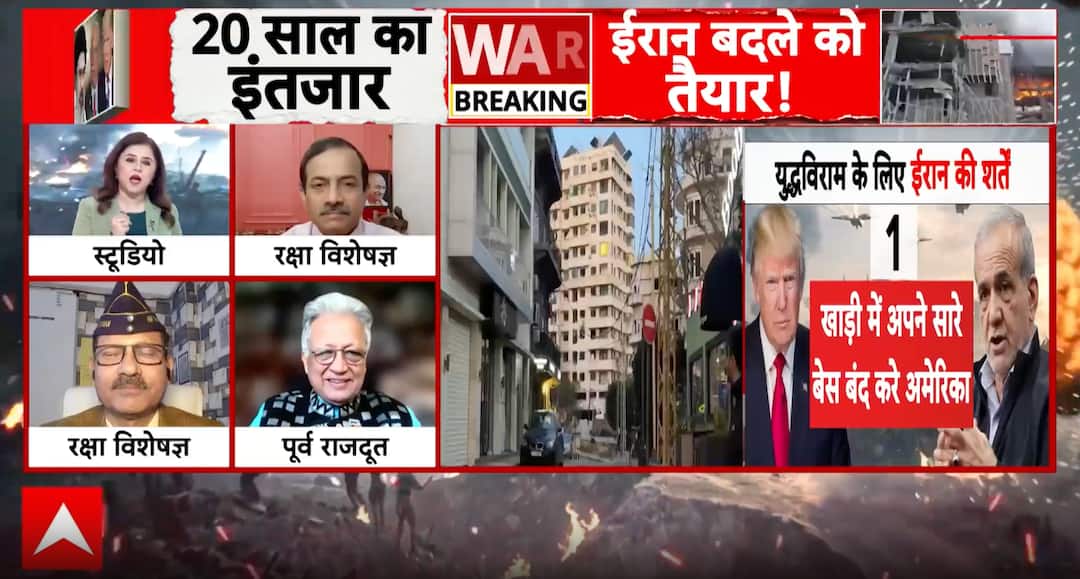
Exclusive: US-Iran standoff deepens as Trump’s Middle East strategy faces global resistance
Previous article

Next article
