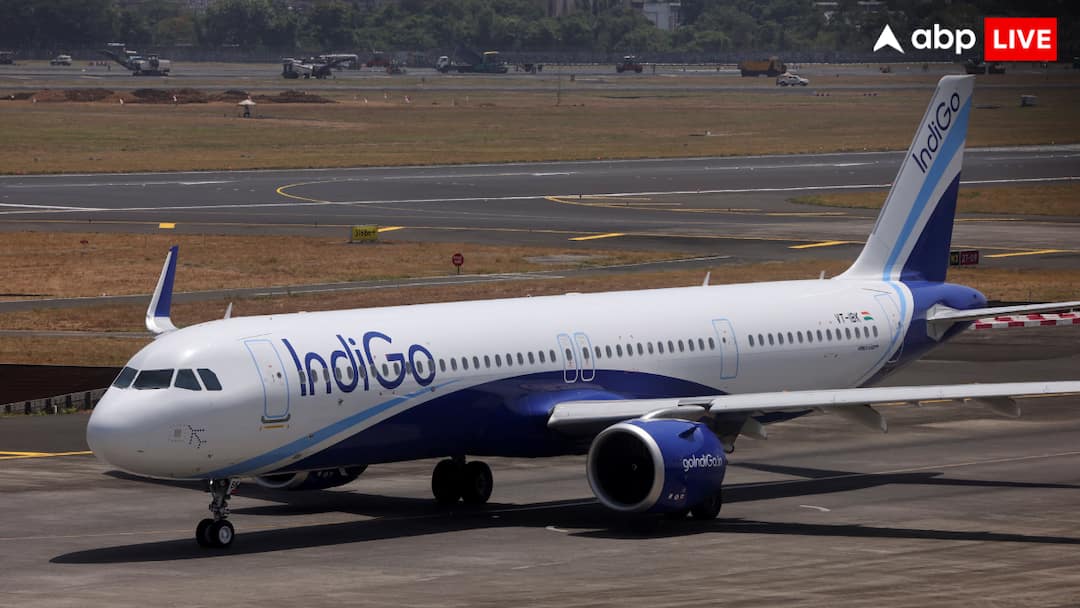

Shares of InterGlobe Aviation, the parent company of IndiGo, came under significant pressure in afternoon trade as soaring global crude oil prices and escalating geopolitical tensions weighed heavily on airline stocks.
Around 1:49 PM, InterGlobe Aviation shares were trading at Rs 4,223.55 apiece, down 4.11 per cent during the session. Earlier in the day, the stock had plunged nearly 8 per cent intra‑day, making it the top loser on the benchmark index amid a sharp spike in global oil prices.
The decline reflects mounting investor concerns over rising fuel costs and operational disruptions for airlines as the ongoing conflict in West Asia continues to affect both energy markets and global aviation routes.
Crude Oil Rally Triggers Selloff In Airline Stocks
The sharp fall in IndiGo’s share price coincides with a steep surge in global crude oil prices, which crossed the $115 per barrel mark amid fears of supply disruptions linked to the expanding conflict involving the United States, Israel and Iran.
Higher crude prices directly translate into rising jet fuel costs, one of the most significant expenses for airlines. For low‑cost carriers such as IndiGo, the impact can be particularly pronounced because maintaining competitive ticket prices leaves limited room to absorb sudden cost increases.
Fuel is typically the second‑largest cost component for airlines after labour, accounting for roughly one‑fifth to one‑quarter of operating expenses, according to aviation industry data cited by Reuters.
As oil prices surged sharply at the start of the week, airline stocks across Asia also came under pressure. Reuters reported that carriers including Australia’s Qantas Airways, Air New Zealand, Hong Kong’s Cathay Pacific, Japan Airlines, Korean Air Lines and major Chinese airlines saw their share prices drop between 4 per cent and more than 10 per cent in Monday trading.
Analysts note that when crude prices climb rapidly, jet fuel costs often rise even faster due to tighter supply conditions in refined fuel markets.
IndiGo Among Worst Hit Aviation Stocks
Among travel‑related stocks in India, IndiGo emerged as one of the worst performers during the session.
The airline’s stock decline also dragged down the broader tourism and aviation segment, which fell about 5.7 per cent amid rising concerns over fuel costs and flight disruptions, reported The Financial Express.
Jet fuel benchmarks have risen sharply alongside crude prices, with some spot indicators reportedly touching $80 per barrel. Such increases significantly raise operating costs for airlines that rely heavily on stable fuel pricing to maintain profitability.
For IndiGo, the spike in fuel prices arrives at a particularly sensitive moment when operational challenges are already mounting due to the evolving geopolitical crisis.
Middle East Crisis Disrupts IndiGo Operations
The ongoing US-Israel conflict with Iran has forced airlines to cancel or reroute flights as large parts of West Asian airspace remain restricted.
These restrictions have had a notable impact on IndiGo’s international operations. International flights account for around 30 per cent of the airline’s Available Seat Kilometres (ASK), a key measure of capacity in the aviation industry.
Of this international capacity, roughly 45 per cent consists of routes that either operate to or pass through West Asia.
According to company disclosures, more than 500 flights to West Asia and select long‑haul destinations were cancelled between February 28 and March 3, 2026, due to airspace closures.
Affected destinations included Istanbul, Athens, Manchester and Amsterdam. With tensions in the region continuing, the airline has extended cancellations through March 4 to March 6.
During this period, approximately 130 to 140 flights are being cancelled daily due to the restrictions.
Global Flight Disruptions Add To Industry Stress
The wider aviation sector is facing significant operational challenges as the conflict disrupts travel across the Middle East.
Data from aviation analytics firm Cirium, cited by Reuters, shows that more than 37,000 flights to and from the Middle East were cancelled between February 28 and March 8 following the outbreak of hostilities.
The closures have left large parts of the region’s airspace inaccessible, forcing airlines to reroute aircraft, lengthen flight paths and manage complex scheduling disruptions.
Industry executives warn that when airspace closures force aircraft to take longer routes, airlines face a double financial impact, higher fuel consumption and increased crew and operational costs.
Investor Concerns Grow Over Profitability
For IndiGo and other airlines, the combination of rising fuel prices and operational disruptions has heightened investor concerns about profitability in the near term.
Even if travel demand remains resilient, higher operating costs can compress margins, particularly for carriers that operate on low‑cost models.
With oil prices remaining volatile and geopolitical tensions showing little sign of easing, aviation stocks may continue to face pressure in the coming sessions.