


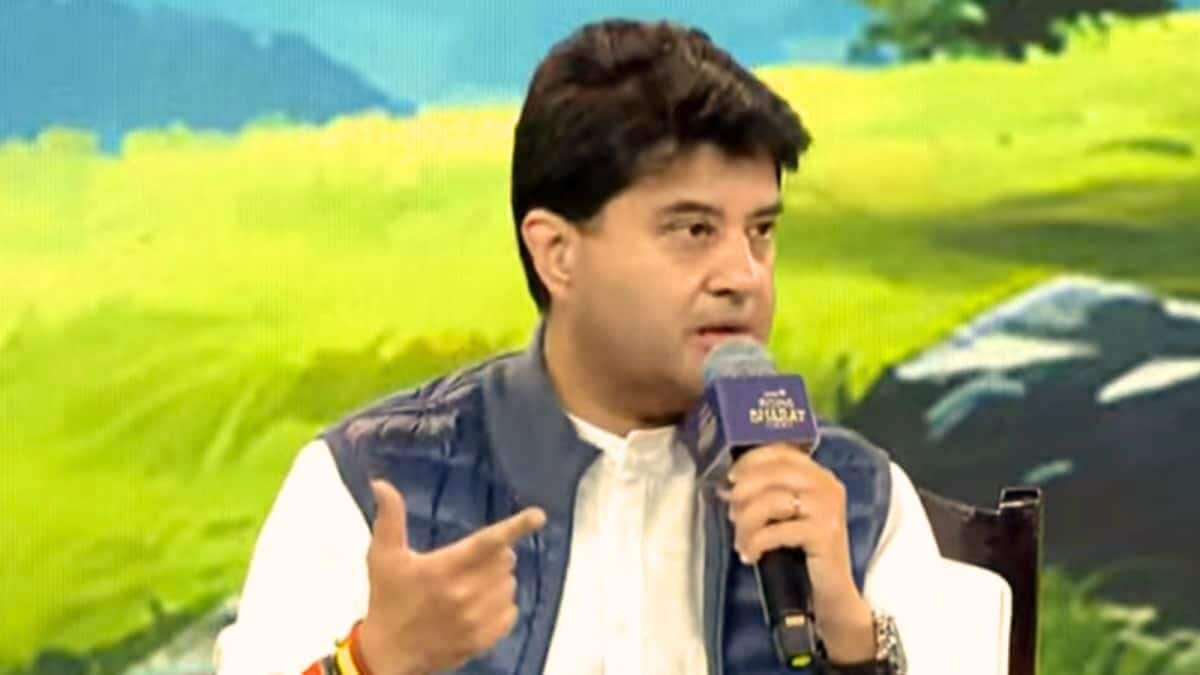
At the ABP Network’s Ideas of India Summit 2026, themed “The New World Order,” Mr. Atideb Sarkar delivers a sharp and timely reflection on a world in transition. From renewed conflict in multiple regions to trade disruptions and great-power rivalry, the assumptions that once underpinned global stability are under visible strain. Peace, as history reminds us, is never automatic—it rests on rules, legitimacy, and power. Invoking the ideas of Henry Kissinger and the Westphalian system born in 1648, the address revisits the principles of sovereignty, non-interference, and balance of power that shaped modern geopolitics. Yet technological change, economic interdependence, and the assertive rise of new powers have challenged that order. Competing visions—from American idealism and realism to China’s hierarchical worldview—signal an era where spheres of influence, strategic rivalry, or even stagnation in global power shifts are plausible outcomes. For India, the churn presents both risk and opportunity. With the national ambition of becoming a developed country by 2047, the priority must be development over status. As global growth slows and domestic job creation struggles to keep pace with a young workforce, India’s strategy must focus on economic reform, expanded trade, and calibrated openness to foreign investment—while safeguarding national security in sensitive sectors. The summit frames a pragmatic doctrine: engage all major powers, threaten none, and place material progress at the heart of national interest. In a turbulent era, India’s strength will not lie in rhetoric of great power status, but in delivering prosperity, stability, and sovereign decision-making for its people.

Ideas of India 2026: Atideb Sarkar Maps India’s Strategy at Ideas of India 2026 Summit
Previous article
Next article
