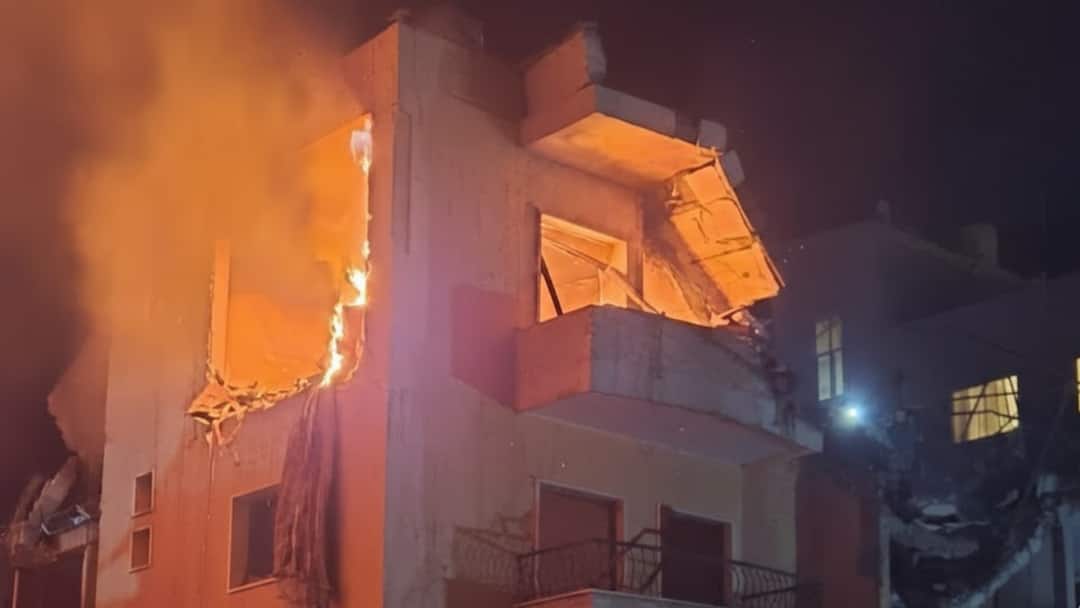

A wave of Israeli airstrikes has left at least 10 people dead in eastern Lebanon, marking one of the deadliest days in the region in recent weeks. According to Lebanon’s health ministry, 24 others were wounded in the attacks in the Bekaa Valley, including three children. The strikes come at a time of fragile calm and growing uncertainty across the border.
ALSO READ: Trump Plans To Reimpose Tariffs – Here’s How He Could Do It
Israel Says Hezbollah Command Centres Were Targeted
🇮🇱🇱🇧 ❗️❗️ The Israeli Air Force has carried out strikes on Hezbollah command centers in eastern Lebanon.
According to local media reports, at least six people have been killed and more than fifteen others injured.
See the latest updates with us: @NSTRIKE1231 pic.twitter.com/UOXHPoaRo3
— NSTRIKE (@NSTRIKE1231) February 20, 2026
The Israeli military stated it struck “command centres” belonging to the Lebanese militant group Hezbollah in the Baalbek area of the Bekaa Valley.
Two security sources told Reuters that senior Hezbollah figure Hussein Yaghi was among those killed. Yaghi is the son of former Hezbollah MP Mohamed Yaghi, and Hezbollah-affiliated media reported that his funeral is scheduled for Saturday.
Local television footage showed an apartment building heavily damaged at one of the strike sites. Firefighters and rescue teams were seen combing through rubble, searching for survivors as smoke drifted across the area.
Strike Also Hits Ain el-Hilweh Camp In Sidon
Earlier the same day, another Israeli strike hit the Ain el-Hilweh Palestinian refugee camp near Sidon, killing two people.
Israel’s military said it targeted what it described as a “Hamas command centre” operating inside the camp. Hamas confirmed that two of its members were killed but rejected Israel’s claim, calling it a “flimsy pretext”. The group said the building belonged to a joint security force formed by Palestinian factions to maintain order in the camp.
Ceasefire Under Pressure
The attacks risk further straining the US-brokered ceasefire agreed in 2024 between Israel and Hezbollah. That deal was meant to halt more than a year of cross-border exchanges that escalated into full-scale war before being brought under control.
Since the ceasefire, Israel has repeatedly accused Hezbollah of attempting to rebuild its capabilities. It has continued near-daily strikes in Lebanon targeting what it says are militant positions and facilities. Hezbollah, for its part, has claimed one strike against Israel since the truce took effect.
Broader Regional Tensions Rising
The unusually high death toll comes amid heightened regional anxiety. The United States has warned it could strike Iran, a key backer of both Hezbollah and Hamas, if nuclear negotiations fail to yield an agreement.
During last year’s Israel-Iran conflict, Hezbollah largely stayed out of direct engagement. Yet many in Lebanon fear that renewed hostilities between Israel and Iran could once again draw the country into a wider confrontation.