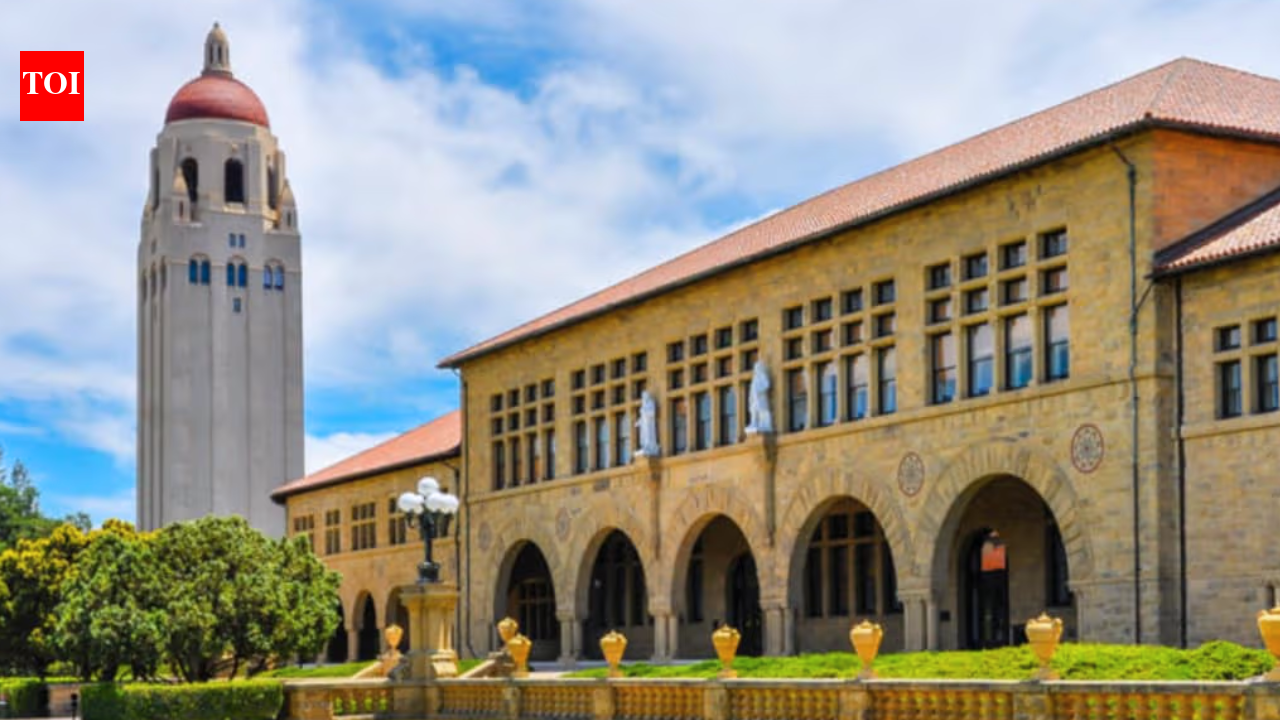

A Stanford student essay claimed that some undergraduates falsely identify as Jain to bypass the university’s $7,944 mandatory meal plan. The allegation, which has circulated widely on social media, suggests that students use religious dietary exemptions to redirect their dining funds to off-campus grocery stores such as Whole Foods, where they believe food options are fresher or better suited to their preferences. The claim is based on anecdotal observations and student conversations rather than official university records.
How Jain identity entered the Stanford dining debate
The controversy stems from an opinion essay written by Stanford undergraduate Sebastian Connolly and published in The New York Times. Connolly described a campus culture of “optimisation,” arguing that students openly discuss ways to work around rules, including claiming Jain identity to qualify for dining exemptions. The essay did not present institutional figures or disciplinary cases, instead relying on personal observation and student conversations.Jainism has strict dietary principles that emphasise non-violence toward all living beings. Followers typically follow a strict vegetarian diet, avoiding meat, fish, eggs, and foods that involve harm to living organisms. Many Jains also avoid root vegetables such as onions, garlic, potatoes, and carrots, as harvesting them can kill the entire plant and disturb microorganisms in the soil. Because of these constraints, many universities, including Stanford, allow religious accommodations when campus dining cannot reasonably meet such requirements. Students granted exemptions may be permitted to opt out of standard meal plans and spend dining funds elsewhere.Stanford requires most undergraduates living on campus to enrol in a meal plan. The university also states that exemptions can be granted for documented religious or medical reasons. However, the institution does not publicly release data on how many students claim religious dietary exemptions, how those claims are reviewed, or whether misuse is investigated.
Online reaction and wider debate
The claim has fuelled wider debate over the cost of college meal plans, the quality of campus dining, and how accommodation systems are used. Some commentators say it reflects growing frustration among students with expensive and inflexible dining rules. Others caution that unverified allegations should not be confused with the practices of the religion itself, noting that the issue, if it exists, concerns individual behaviour rather than Jain dietary traditions.Beyond Stanford, the issue points to a wider strain across universities. Students are facing rising costs and limited flexibility, pushing some to look for any lawful way to stretch their budgets. At the same time, universities depend on trust-based systems to honour genuine religious and medical needs without turning accommodations into an exercise in policing identity. In the absence of clear data, the claim at Stanford remains unproven. But the controversy reflects a deeper problem: expensive campus systems built on good faith are increasingly colliding with financial pressure and creative workarounds.. Go to Source