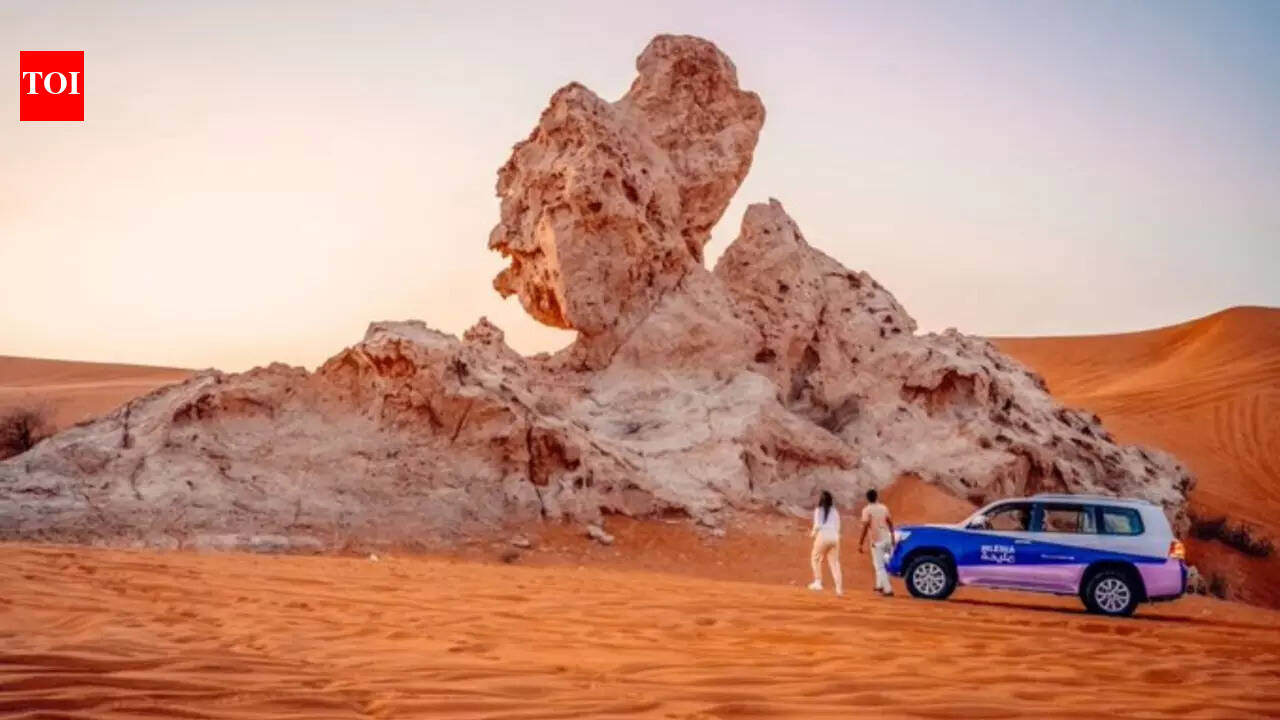

Mleiha National Park Sharjah: New Strict Rules, Fines for Unauthorised Entry and Off-Roading
Sharjah authorities have issued a stern warning to visitors and off-roaders about unauthorised entry into Mleiha National Park that will no longer be tolerated and severe fines and legal action being enforced to protect one of the Emirate’s most treasured natural and archaeological sites. The move underscores growing emphasis on environmental conservation and compliance with strict protected-area regulations in the UAE.
Why the crackdown? Mleiha National Park’s protected status
Mleiha National Park is not just another desert destination, it forms part of the Al Faya Site, which was added to the UNESCO World Heritage List in 2025 in recognition of its outstanding archaeological and historical value, including evidence of early human life in Arabia. The park’s landscapes contain rare fossils, stone tools and cultural deposits dating back thousands of years.
Sheikha Bodour Al Qasimi: Mleiha National Park embodies Sharjah’s vision towards sustainability of resources and the historical heritage of the UAE pic.twitter.com/HdoUMweu1I
— Shurooq شروق (@_Shurooq) May 1, 2024
Due to this designation, the park is governed by a strict legislative framework established by Emiri decree and managed by the Sharjah Investment and Development Authority (Shurooq). Shurooq says these laws are essential to safeguard fragile terrain and irreplaceable archaeological remains that could be destroyed by careless off-road traffic or unregulated visitation.
What the new Mleiha National Park rules mean for visitors
Under the updated enforcement regime:
- All entry by vehicle into the park requires prior authorisation. This applies to all types of vehicles, including 4×4s, bikes and recreational off-roaders.
- Unauthorised access is treated as a direct violation of the site’s protected status, carrying hefty fines and possible legal measures.
- Public access is now generally restricted to approved, organised activities supervised by the Mleiha Archaeological Centre, with visits limited to designated routes and guided tours.
In practical terms, this means individuals or groups driving into the park without a permit risk not only losing access but also facing financial penalties and legal action in accordance with environmental protection laws.
Conservation first: Why enforcement in Mleiha National Park matters
Authorities emphasise that the enforcement is not about punishing casual adventurers but about protecting an extremely fragile ecosystem and irreplaceable historical record. Much of the terrain within Mleiha is vulnerable to erosion and damage from off-road vehicles, and once disturbed, archaeological deposits cannot be restored or replaced.
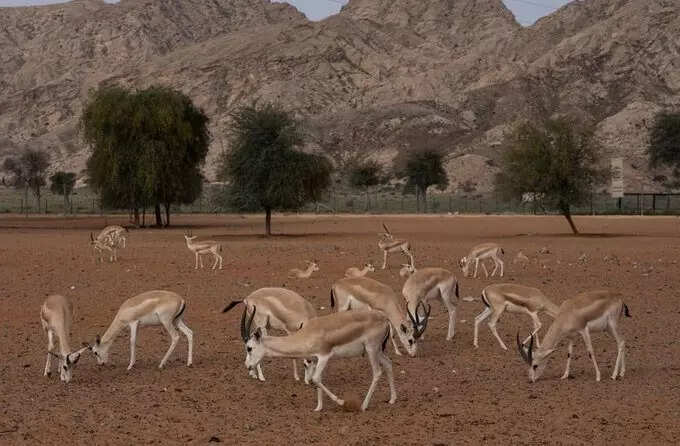
UNESCO-Listed UAE Desert Under Lockdown as Sharjah Enforces Strict Entry Rules
This approach aligns with a wider global trend toward strengthening environmental protections in sensitive sites, where unmanaged recreational access has led to irreversible damage in the past. Conservationists argue that rules, even if seen as restrictive, are necessary to balance tourism, education and long-term preservation.
Broader UAE trend: Fines and enforcement for protected land use
Sharjah’s actions fit into a larger pattern of increasing regulation and enforcement in the UAE aimed at preserving natural spaces and ensuring compliance with legal requirements. Earlier in the season, authorities in Al Ain’s Jebel Hafeet imposed fines up to Dh4,000 for unauthorised barbecues in restricted zones to prevent fire hazards and ecological harm.Fujairah has fine regimes for tourism companies accused of compromising hiker safety, up to Dh50,000, to reduce risky behaviour in mountain trails. Across parks and green spaces in Sharjah City Municipality zones during peak seasons, inspectors are deployed to curb illegal activities such as camping, loud music, littering and off-road disruption.
في قلب صحراء منتزه مليحة الوطني، المغامرة تناديك وسط سحر الرمال وغموضها.
استعد للإثارة واتبع دروب الصحراء.The golden dunes of Mleiha National Park whisper tales of adventure and mystery.
Feel the rush, embrace the unknown, and let the desert lead the way pic.twitter.com/0T225ZlXGx
— Shurooq شروق (@_Shurooq) March 31, 2025
Taken together, these show the UAE’s broader effort to strategically regulate outdoor recreation and protect public safety while preserving ecosystems.
Practical advice for Mleiha National Park’s visitors
For those who enjoy desert landscapes, history hikes or cultural tours, here’s how to stay compliant:
- Plan Ahead and Get a Permit – All visits to Mleiha, whether for archaeological tours, desert walks or guided vehicle outings, must be booked through the Mleiha Archaeological Centre with official permits and scheduled routes.
- Avoid Off-Route Driving – Do not drive into the park off-road with 4×4 vehicles or motorbikes unless it’s part of an authorised, supervised activity.
- Respect Park Rules and Signs – Follow posted guidelines and park staff instructions to avoid fines and preserve the environment for others to enjoy.
- Book Educational or Guided Tours – Many visitors find value in guided tours, not only safer and compliant but also richer in insight into the site’s deep cultural history.
Mleiha National Park has become one of the UAE’s standout natural and historic attractions, drawing both local families and international visitors. By stepping up enforcement, conservation goals are front-and-centre, ensuring that future generations can appreciate the site’s unique heritage. Legal compliance becomes clearer and more uniform, removing ambiguity for tourists and locals about what is permitted.Sharjah positions itself as a global leader in responsible heritage tourism and sustainable park management. For anyone planning a trip to Mleiha, whether for a weekend outing, educational exploration or photography, taking the time to secure the right authorisation is not just about avoiding fines; it is about being part of a collective effort to protect a world-class heritage site.Sharjah authorities are enforcing hefty fines and legal action for vehicles entering Mleiha National Park without permits. The park is a protected site and UNESCO World Heritage location with strict legislated boundaries. Public access is limited to authorised, guided activities; uncontrolled entry can harm fragile archaeological and environmental assets. Visitors and off-roaders are urged to plan ahead, comply with guidelines and book proper permits to avoid penalties and help preserve this iconic desert landscape. Go to Source