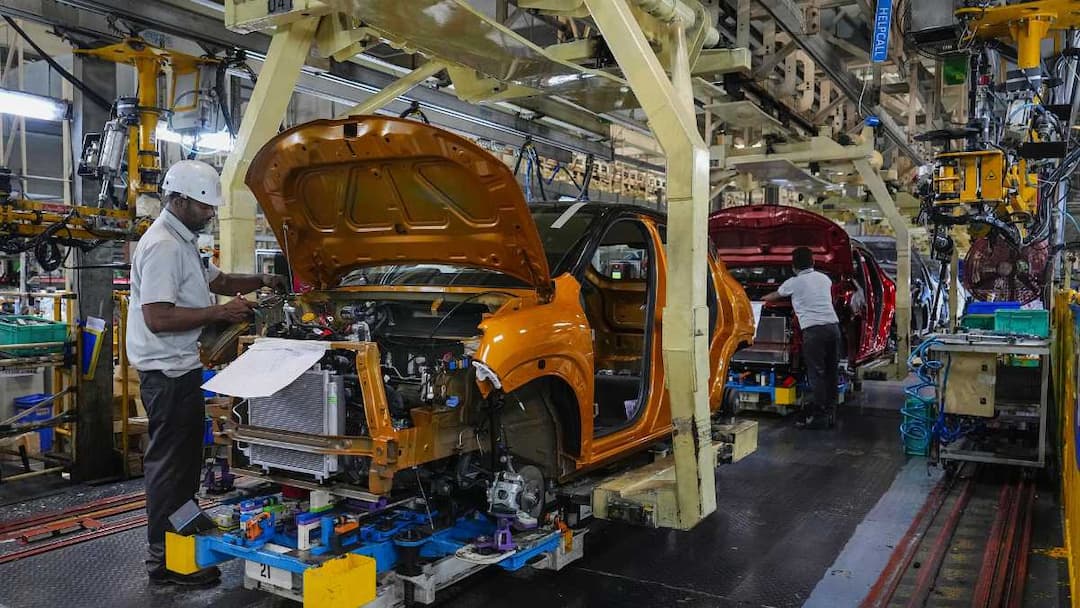

The Indian manufacturing sector has reached a historic milestone, with the industry’s performance index hitting an all-time high in the third quarter of the 2025-26 fiscal year.
According to the 68th edition of the FICCI Quarterly Survey on Manufacturing (QSM) released in New Delhi today, the sector is experiencing sustained growth and “increasing optimism” across both large-scale industries and small-to-medium enterprises.
The survey, which represents units with a combined annual turnover exceeding Rs. 3 lakh crores, revealed that 91% of respondents reported higher or stable production levels, a significant jump from the 87% recorded in the previous quarter. This surge in industrial confidence is largely driven by a robust domestic market. The report notes that “86% of respondents anticipated higher or same orders in Q3 FY 2026 compared to the previous quarter and more so after the latest GST rate cuts announced.”
This demand is particularly strong in the Electronics & Electricals and Miscellaneous sectors, both of which are expected to see strong growth. Other key sectors, including Auto Components, Capital Goods, and Textiles, are maintaining a steady, moderate growth trajectory.
The existing average capacity utilisation in manufacturing is close to 75%, which reflects sustained economic activity in the sector. Despite some global headwinds, including trade restrictions and geopolitical uncertainty, 38% of manufacturers are planning to hire additional workers in the next three months. This is an improvement over the 35% reported during the same period last year, signalling a strengthening job market within the industrial heartland.
However, manufacturers continue to grapple with high production costs, with 57% of survey participants noting an increase in costs as a percentage of sales. The survey attributes this pressure to “higher raw material costs, currency depreciation, and increased logistics, power, and utility costs.” Furthermore, while 80% of the industry reports no immediate labour shortages, a significant 20% of respondents cautioned that there is a “lack of skilled workforce available in their sector,” calling for intensified skilling efforts from both the government and private industry.
Financial stability appears to be a supporting pillar for the current boom. The average interest rate for manufacturers stands at 8.9%, and “a little over 87% of respondents reported sufficient availability of funds from banks for working capital or long-term capital.” This liquidity, combined with a positive export outlook where 70% of firms expect higher or stable international sales, suggests that the Indian manufacturing sector is well-positioned to maintain its record-breaking momentum through the remainder of the fiscal year.
(Disclaimer: This report has been published as part of the auto-generated syndicate wire feed. Apart from the headline, no editing has been done in the copy by ABP Live.)