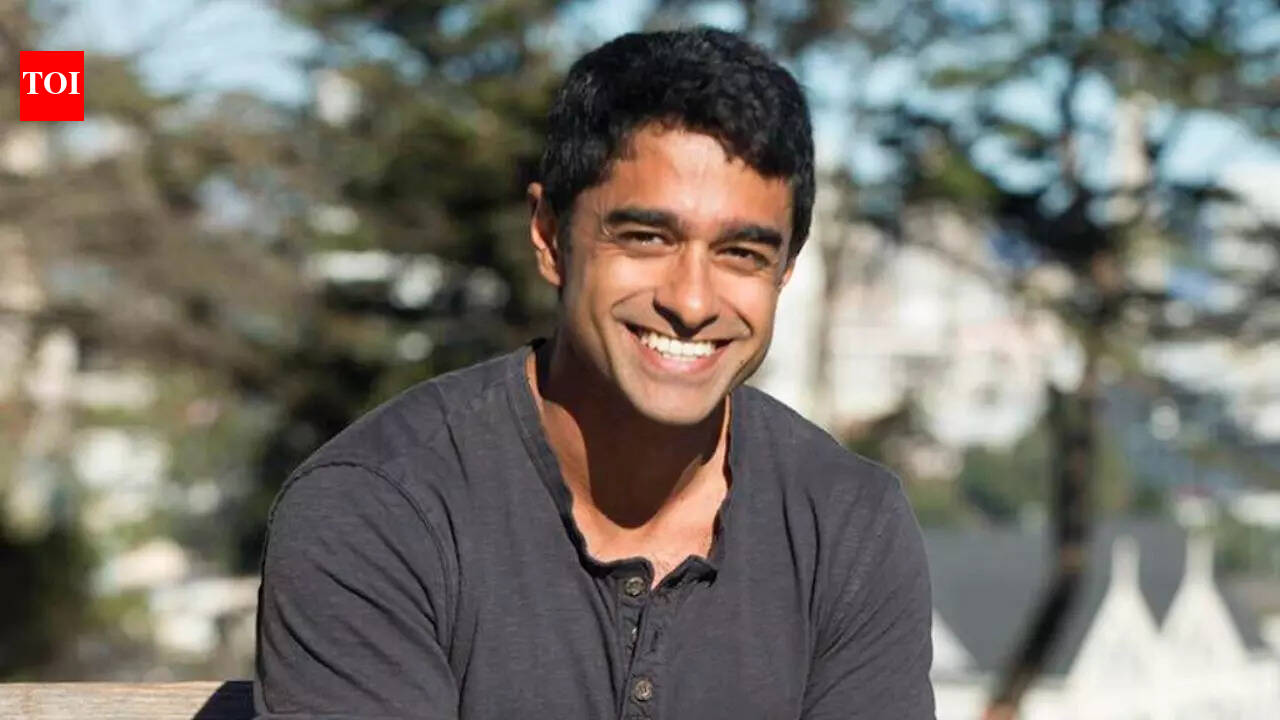

Saikat Chakrabarti, the former chief of staff to US Representative Alexandria Ocasio-Cortez (AOC), is stepping into the political arena himself with a congressional run in California, setting up a closely watched contest in San Francisco.The Indian-origin organiser and former Silicon Valley engineer is running as a Democrat in California’s 11th Congressional District, which covers San Francisco. The seat has long been associated with Democratic heavyweight Nancy Pelosi. With Pelosi’s era shaping the political identity of the district for decades, the race is being viewed as a major test of what comes next in one of the most influential Democratic strongholds in the US.
From Silicon Valley engineer to political strategist
Chakrabarti’s career did not begin in politics. He entered the tech world early, arriving in San Francisco in 2009 and building a reputation as a systems-minded engineer. He later became part of the early team at Stripe, the payments company that grew into one of Silicon Valley’s biggest success stories.His shift into national politics came through the progressive movement around Senator Bernie Sanders. During the 2016 campaign, Chakrabarti helped develop tools and strategy aimed at strengthening grassroots organising, with a focus on scaling volunteer networks and building infrastructure that could compete with traditional political machines. That experience placed him at the crossroads of two cultures: Silicon Valley’s “build fast” mentality and the progressive movement’s drive to challenge entrenched power.Chakrabarti became a recognised figure in progressive politics after playing a key role in Alexandria Ocasio-Cortez’s breakthrough 2018 campaign. The victory was widely seen as a defining upset and a turning point for the modern Democratic Party’s left wing.After AOC entered Congress, Chakrabarti served as her chief of staff and helped shape the messaging and strategy that turned her into a national political brand. He later moved on to work in the wider policy ecosystem pushing major progressive priorities, including efforts tied to the Green New Deal.His time in that movement space gave him a reputation as a bold strategist, admired by supporters who want sharper change and criticised by detractors who believe progressives promise more than they can deliver.
Why Pelosi’s backyard is such a big stage
San Francisco’s congressional district is one of the safest Democratic seats in the country, which means the main battle is typically inside the Democratic primary, not the general election. That reality makes the race less about party control and more about ideology, leadership style, and who gets to represent the future of Democratic politics in the city.Pelosi’s long dominance also adds symbolism. Her career represented a brand of Democratic power built on institutional influence, discipline, and longevity. Chakrabarti, by contrast, is tied to a newer progressive current shaped by movement politics, online messaging, and confrontational challenges to establishment leadership.That contrast is why his candidacy is being treated as more than a routine campaign announcement.
What Chakrabarti is campaigning on
Chakrabarti’s campaign messaging focuses heavily on affordability, daily quality-of-life issues, and the sense that San Francisco has become unliveable for ordinary working people. His slogans include themes such as “Make San Francisco livable,” “Rebuild the American Dream,” and “Save our democracy.”His pitch centres on major structural changes, including:
- lowering the cost of living
- building large amounts of housing
- improving infrastructure and city services
- reducing corporate influence in politics
He has also backed ideas such as banning stock trading by members of Congress and curbing the role of big money in elections, aiming to position himself as a reform-driven challenger.
The money and the momentum
Chakrabarti’s fundraising has also drawn attention early in the race. Financial disclosures referenced in profile material show he has pulled in close to $1 million in receipts in a key period, including a large portion as candidate loans alongside individual contributions.That detail is likely to become part of the political conversation, especially as he frames himself as a candidate challenging entrenched power structures.
A high-profile contest ahead
San Francisco politics is intensely local, and voters are deeply focused on issues that define everyday life: housing costs, public safety, homelessness, and whether the city’s recovery matches its image as a global tech capital.Chakrabarti enters the race with a profile few candidates can match: a builder from Silicon Valley, a strategist who helped shape AOC’s rise, and now a Democrat trying to win on his own name in one of America’s most symbolic Democratic districts.His run will be closely watched by progressives, party insiders, and national observers as the campaign unfolds. In a post-Pelosi San Francisco, the battle is not simply about who wins a seat. It is about what kind of leadership voters want next, and whether the progressive movement’s most influential behind-the-scenes figures can translate their ideas into electoral power. Go to Source