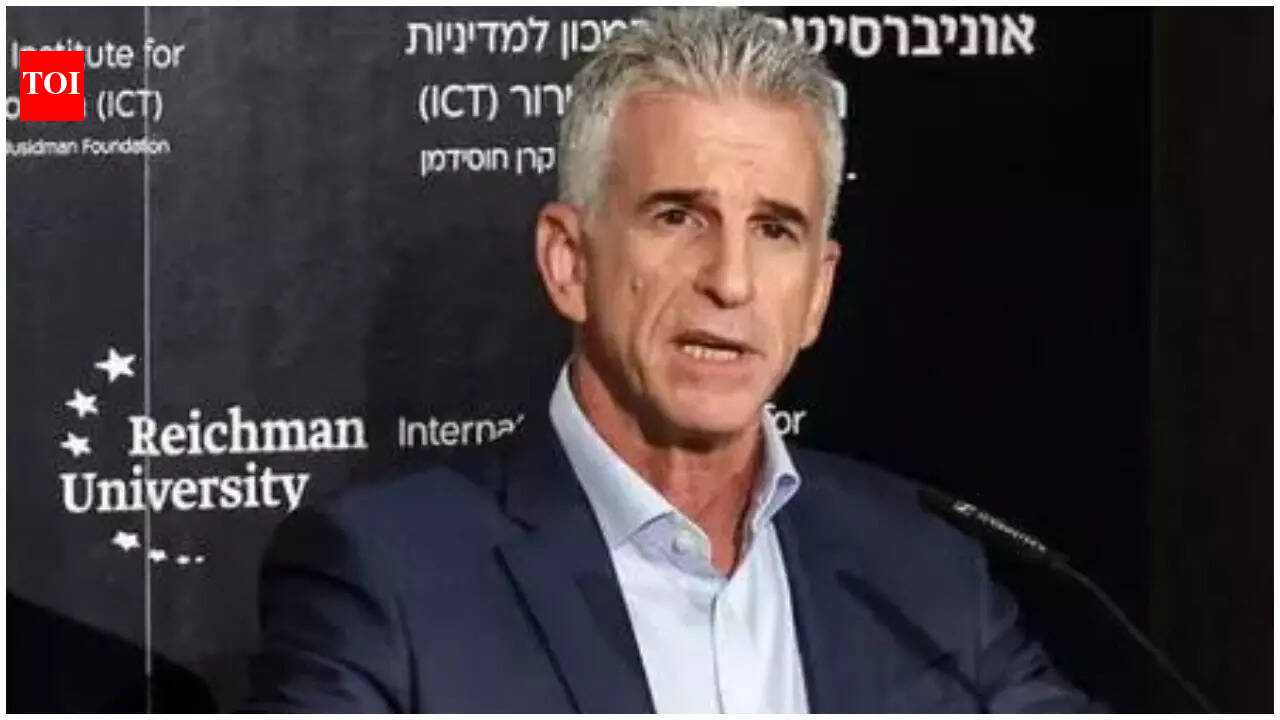

Just as headlines began whispering that US-Iran tensions might be cooling, a behind-the-scenes visit has offered a possible explanation for the shift in mood.According to the Axios report, David Barnea, director of Israel’s Mossad spy agency, arrived in the US on Friday morning for talks on the situation in Iran. Barnea’s visit formed part of consultations between the US and Israel over the protests in Iran and possible US military action in response to the regime’s crackdown.Barnea was expected to meet in Miami with White House envoy Steve Witkoff, who was managing the direct channel of communication between the US and Iran. Witkoff was in touch with Iran’s foreign minister, Abbas Araghchi, during the protests. It was not yet clear whether Barnea would meet President Trump in Mar-a-Lago over the weekend.
Election Results
Netanyahu called Trump, asked to delay strikeBarnea’s trip followed a phone call on Wednesday between Trump and Israeli Prime Minister Benjamin Netanyahu about the Iran crisis.During the call, Netanyahu asked Trump to hold off on military action against Iran to give Israel more time to prepare for potential Iranian retaliation. An Israeli source said that in addition to concerns about retaliation, the current US plan included strikes on security force targets in Iran, but was not seen by Israel as strong enough to meaningfully destabilise the regime. Is bigger attack still in progress?US officials said military action was still on the table if Iran resumed the killing of protesters. Israeli officials thought that despite the delay, a US military strike could take place in the coming days.The US military was sending additional defensive and offensive capabilities to the region to be ready in case Trump ordered a strike, US sources said. The Abraham Lincoln aircraft carrier and its strike group were making their way to the Middle East from the South China Sea. More air defence systems, fighter jets and possibly submarines were also expected to arrive in the region.When he reached out to Witkoff, Araghchi proposed a meeting and the resumption of nuclear negotiations. The Israeli govt was concerned the Iranians would use such negotiations to buy time and relief from the US pressure. On the other hand, some officials thought the current crisis could convince the Iranian regime to make concessions it refused to consider in the past, on the nuclear programme, missile programme, and proxy groups.At a conference of the Israeli-American Council in Miami on Thursday night, Witkoff said he communicated with the Iranians the day before about the potential mass hangings.”That has been shut down,” Witkoff said.Witkoff said he hoped it would be possible to get a diplomatic solution with Iran and noted that any deal would have to address uranium enrichment and Iran’s stockpile of enriched uranium, Iran’s inventory of ballistic missiles, and its network of proxies in the region.Witkoff said Iran’s economy was badly “stumbling” and if Tehran wants to change that and return to the community of nations, it can be accomplished through diplomacy. “The alternative will be a bad one.”