
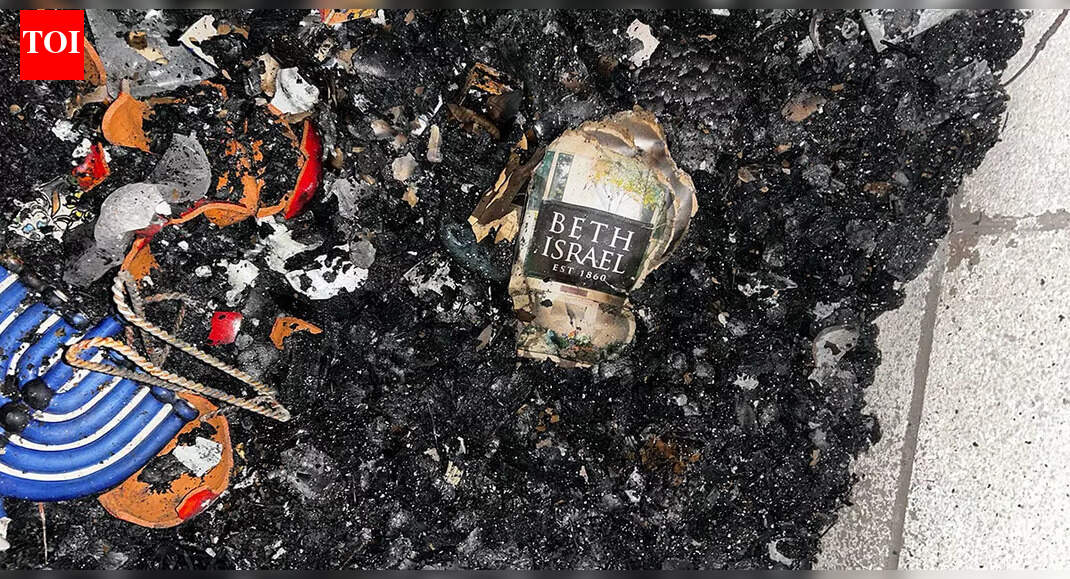


Stephen Spencer Pittman, a 19-year-old from Madison, Mississippi, is at the centre of a federal arson case after authorities say he set fire to Beth Israel Congregation in Jackson, the state’s largest synagogue and the only one in the capital city. Investigators say the attack was motivated by antisemitism, citing the synagogue’s Jewish identity and statements attributed to him. The blaze caused extensive damage inside the building, including the loss of sacred items, and has intensified concern about how extremist ideas can move from online spaces into real-world violence.
Stephen Spencer Pittman and the case now defining him
Before his arrest, Pittman was described as a college student with a baseball background. He appeared to be living a typical routine built around sport, fitness, and everyday responsibilities. There were no widely known public signals that suggested he would end up facing a major federal case tied to a house of worship.Beth Israel Congregation has deep roots in Mississippi and has previously been targeted, including during the civil rights era when it was attacked by the Ku Klux Klan. The latest fire left the synagogue severely damaged, forcing the congregation to make temporary arrangements while recovery begins. No injuries were reported.Federal authorities allege the fire was deliberate and supported by surveillance and physical evidence. Investigators say a masked individual entered the synagogue, poured gasoline inside, and ignited the blaze. Authorities also say Pittman was arrested after he sought hospital treatment for burn injuries.
The “synagogue of Satan” statement
One of the most troubling details in the case is investigators’ claim that Pittman referred to the synagogue as “the synagogue of Satan” and said he targeted it because of its Jewish ties. Investigators view such language as relevant because it can indicate ideological motivation tied to a specific religious target.Authorities say Pittman’s father reported him after receiving disturbing communication and noticing burn injuries. That report became a key turning point, helping investigators identify and detain the suspect within a short timeframe.Pittman has been charged federally, and if convicted, he faces the possibility of significant prison time under federal arson laws. The case has drawn intense attention because it involves a religious institution and is being treated as a potentially hate-motivated attack.
The online hate influence and what can be said
While investigators have not publicly detailed what Pittman may have viewed or followed online, the case has renewed concern about how antisemitic content spreads across digital platforms. Researchers and analysts often point to common patterns in online radicalisation, including:
- Algorithm-driven escalation towards more extreme content
- Conspiracy narratives framed as “truth”
- Memes and coded language that normalise dehumanisation
- Echo chambers that shut out opposing views
- Online communities that reward outrage and encourage escalation
This influence often builds gradually through repetition and reinforcement, rather than one single viral moment. Go to Source