Diabetes is one of the most rapidly increasing chronic metabolic diseases worldwide. What makes it particularly dangerous is that many people ignore early warning signs, especially those that appear on the skin.
High blood sugar does not only affect internal organs; it often reveals itself externally through noticeable skin changes. Recognising these signs in time can prevent serious long-term complications.
Here are 7 key skin symptoms that may indicate uncontrolled diabetes and demand immediate medical attention.
ALSO READ: The Sedentary Trap: How Desk Jobs Are Silently Damaging Your Gut Health, Says Gastro Expert
1. Shin Spots (Diabetic Dermopathy)
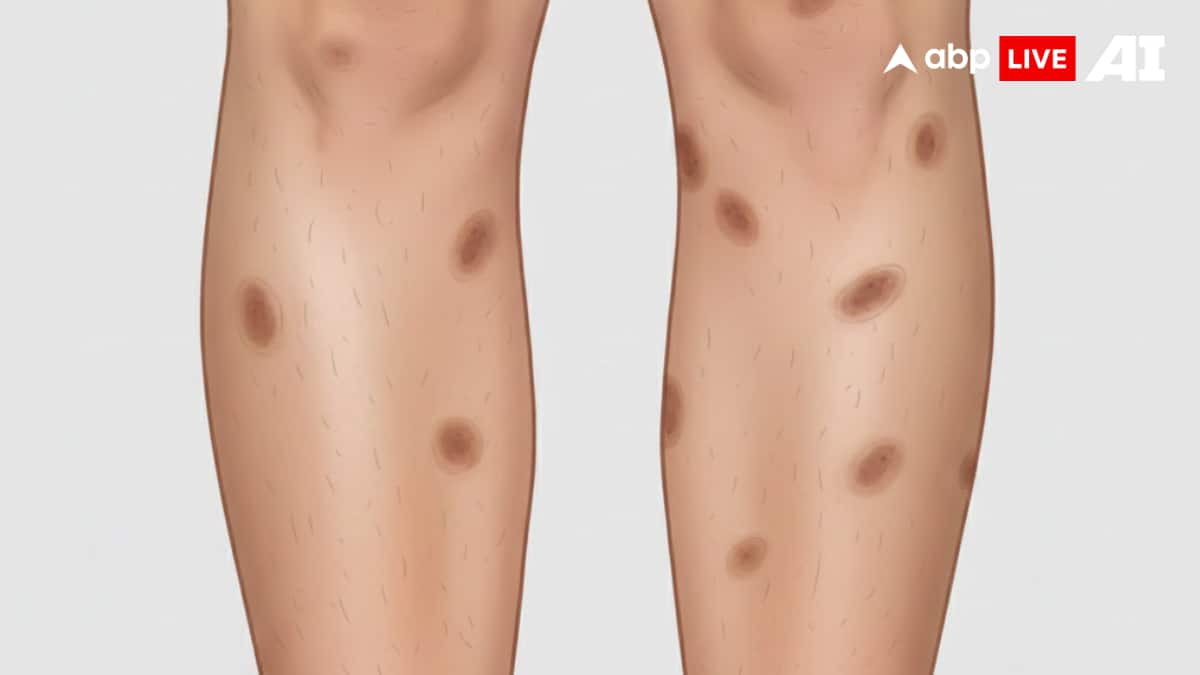
These are among the most common skin conditions linked to diabetes. Often referred to as “spotted leg syndrome”, these spots appear as round or oval patches, brown or reddish-brown in colour, typically on the shins.
They are usually painless and not itchy, which causes many people to dismiss them as age spots. However, their presence often signals the need for a blood sugar check.
2. Thick Or Hardened Skin
Prolonged high blood sugar can trigger abnormal collagen buildup in the skin, reducing its elasticity and making it feel thick and tight.
This condition, known medically as scleredema diabeticorum, commonly appears on the neck, shoulders and upper back. Although generally painless, it reflects ongoing metabolic imbalance.
3. Slow-Healing Wounds And Ulcers
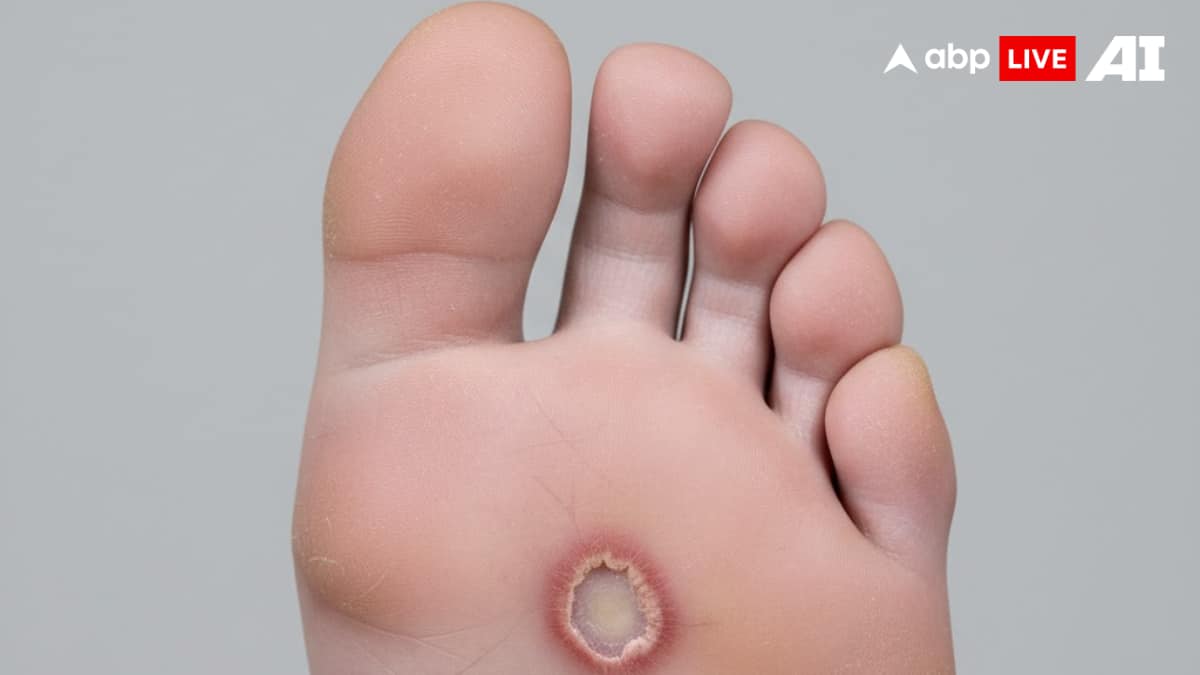
Diabetes weakens the body’s healing ability. Persistent high glucose levels damage nerves and restrict blood circulation, particularly in the feet.
As a result, even minor cuts can develop into diabetic ulcers that heal very slowly. Without timely treatment, this can become life-threatening and may even require amputation.
4. Sudden Appearance Of Small Bumps
When diabetes remains uncontrolled, triglyceride levels can rise sharply.
This often causes the sudden eruption of tiny bumps on the skin. Over time, these bumps may take on a yellowish appearance on lighter skin tones. Once blood sugar is stabilised, the bumps usually disappear.
5. Darkened Skin In Certain Areas

Dark, thickened skin around the neck, armpits or thighs may indicate insulin resistance.
This condition is known as acanthosis nigricans and often appears in people with diabetes or prediabetes. In most cases, it is not dangerous but serves as an important metabolic warning.
6. Yellow Patches Around The Eyelids
Soft yellow deposits or raised patches near the eyelids may point to elevated fat levels in the blood.
These are called xanthelasma and are frequently associated with high cholesterol and triglycerides.
7. Multiple Skin Tags

Skin tags are usually harmless. However, when they appear in large numbers, particularly on the neck, armpits, thighs or eyelids, they may be linked to Type-2 diabetes.
Research shows individuals with numerous skin tags often carry a higher risk of developing diabetes.
Your skin can act as an early warning system for serious internal health problems. If you notice any of these signs, do not ignore them. Early medical evaluation and timely sugar control can protect you from severe complications and preserve long-term health.
[Disclaimer: The information provided in the article is intended for general informational purposes only. It is not a substitute for professional medical advice, diagnosis, or treatment. Always seek the advice of your physician or other qualified healthcare provider with any questions you may have regarding a medical condition.]
Check out below Health Tools-
Calculate The Age Through Age Calculator