
By Mandar Patil
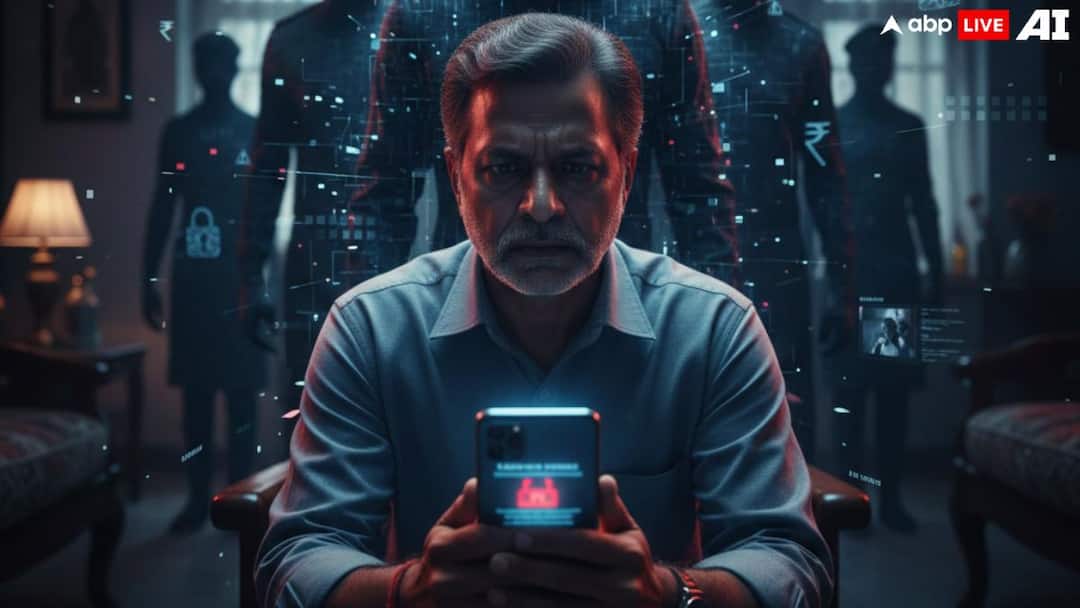
Cybercrime on the Indian subcontinent has evolved past cracking passwords or planting malware — it now involves manipulating people’s moods. Cybercriminals today manipulate emotions like fear, urgency, trust, and greed before money goes into their accounts. In the age of the Internet and the increase in security breaches, a much wider range of devices is subject to attack.
In the year 2024, the amount of digital financial fraud reached more than ₹1,750 crore, while there were 740,000 recorded instances of victims reporting the crime; numbers will continue to grow for the year 2025.
Targeting Psychology Versus Targeting Devices
Cybercriminals rely on social engineering as their primary method of attacking their victims. Social engineering attacks specifically target people as opposed to devices.
According to the 2024/25 cybersecurity threat assessment for India, phishing, vishing, and business email compromise accounted for the greatest number of cybercrime incidents. According to a survey conducted in 2025, 68% of respondents reported being the target of phishing attempts within the past 12 months, and there has been a marked concern with the use of AI-generated deep fake videos and images.
Psychologically Triggered Emotions: Fear, Urgency and False Authorities
Cybercriminals use emotional triggers when designing their attack scripts; such triggers (e.g., “You have 30 minutes to prevent your account from being frozen”) invoke feelings of fear (or urgency) to deter the victims from performing adequate verification checks.
Cybercrime statistics in Gurugram from January to October of 2025 show that the number of cybercrime complaints exceeded 35,000, resulting in losses of more than ₹230 crores. Cybercrime statistics from Odisha indicated more than 3,500 victims reported losing almost ₹222 crores in a 16-month time frame.
Digital Arrests: The Most Destructive Manipulator of Our Times
As we enter 2026, we see a new trend around “digital arrests”. These scams have started occurring throughout the country, using “digital arrests” to victimise people by personating police or court officials in Madhya Pradesh, accusing victims of a fabricated crime, holding them hostage over video calls, and then forcing them to transfer large amounts of money.
Essentially, this form of abduction, from the emotional perspective, as fear is often enough to paralyse judgment, and victims comply without question.
Factors that Make these Attacks Successful
With the use of real-time transfer services such as UPI, victims are not given enough time to emotionally re-establish balance from shock before they are forced to complete the transfer. Many people in India, such as the elderly and those new to digital solutions, have a tendency to trust messages from authoritative sources.
The use of artificial intelligence tools now allows scammers to create error-free Hindi-English scripts, forge documents, and recreate realistic deepfake videos of both to strengthen the credibility of the scam; therefore, the scammer is able to build their narrative convincingly.
Establishing a Firewall for the Mind
Although the government is taking steps to strengthen its own defences by expanding the number of helplines (example: 1930) and blocking fraudulent SIM cards, as well as allocating over ₹780 crores in the 2025-26 Union Budget for cyber defence, this means is limited in scope and will not protect all citizens within India.
Therefore, the most effective strategy to combat this type of fraud is self-awareness. Before taking action, verify with multiple reputable sources, and report any incidence of fraud immediately. With proper self-awareness, individuals can escape from the emotional trap that criminals rely on for their success. In the era of “manipulating emotions” and digital crime, emotional intelligence will be the most important tactic for all Indians to utilise in their defence against attacks to their digital identity.
(The author is the Senior Vice President, Sales at Cyble)
Disclaimer: The opinions, beliefs, and views expressed by the various authors and forum participants on this website are personal and do not reflect the opinions, beliefs, and views of ABP Network Pvt. Ltd.