Delhi and the National Capital Region are currently battling a severe combination of biting cold, very dense fog, and alarming air pollution levels, creating extremely challenging conditions for residents. Early morning visuals from the Akshardham flyover show visibility dropping to nearly 15 meters, with a thick blanket of fog and smog covering roads, buildings, and the skyline. Even landmarks such as the Akshardham Temple, usually visible from a distance of 100–200 meters, have disappeared behind the haze. Motorists are being forced to use headlights and parking indicators during daytime, while traffic movement remains slow and risky. The India Meteorological Department (IMD) has issued a Yellow Alert for dense fog, warning that conditions are likely to persist and may worsen over the next few days. Citizens have been advised to avoid unnecessary travel, cover their faces while stepping out, and use fog lights while driving. Adding to the crisis, air quality in Delhi remains in the very poor to severe category. Official data shows the city’s average AQI at 380, while several areas including Anand Vihar (423), Ashok Vihar (407), Dwarka (401), and Chandni Chowk have crossed the severe threshold. Over a dozen monitoring stations have reported AQI levels above 410. IMD forecasts suggest dense fog will continue for the next three days, with the Yellow Alert likely to be upgraded, intensifying disruptions to road, rail, and air travel.
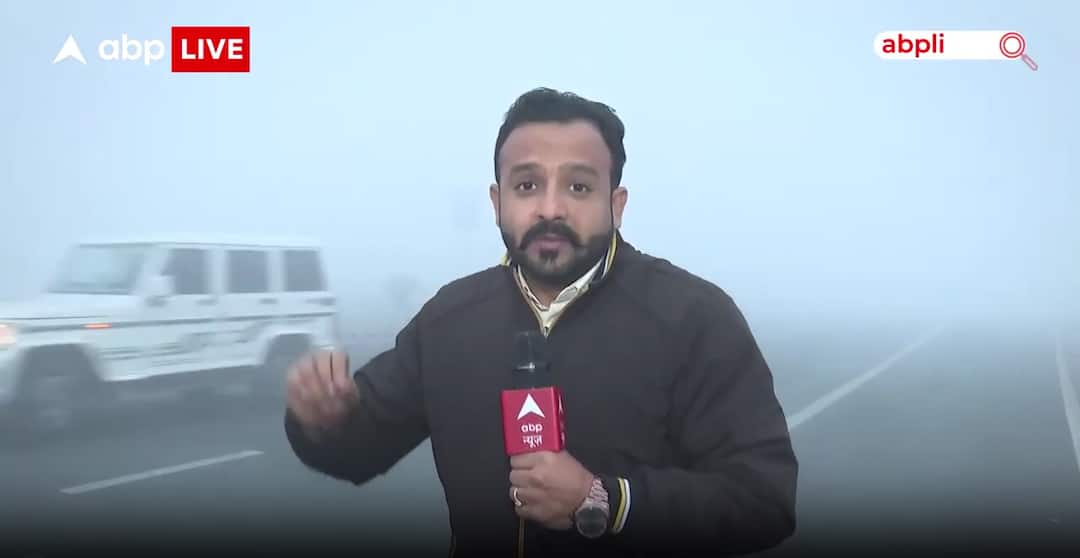
Weather Alert: Severe Cold, Very Dense Fog and Hazardous Pollution Disrupt Life in Delhi-NCR
Next article