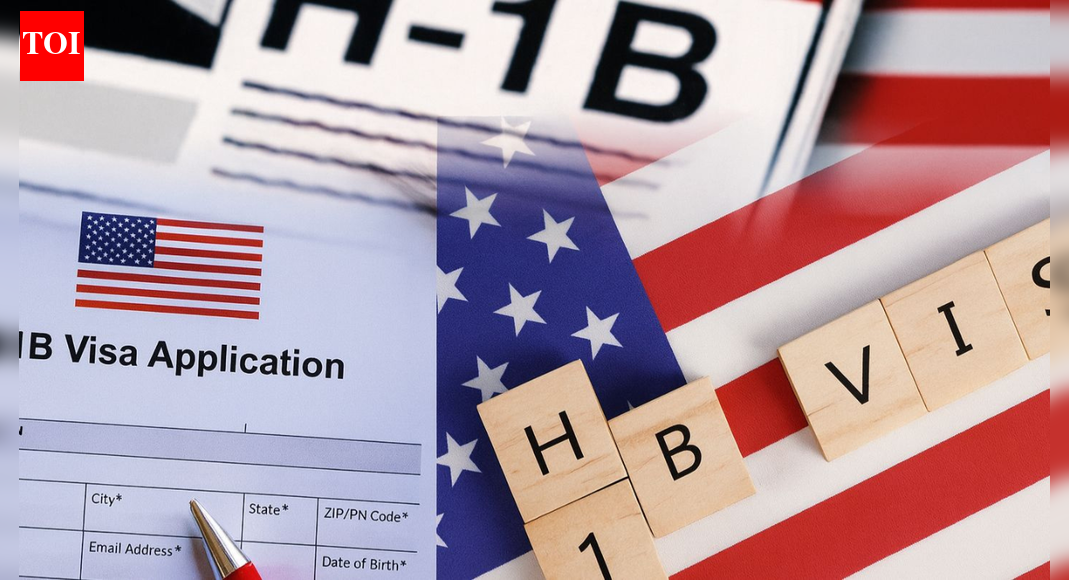

Immigration attorney Rebecca Chen said H-1B visa holders should focus on maintaining a valid status inside the US as even slamm lapses can force consular processing and trigger the $100,000 supplemental fee. The fee, announced in September, is only applicable to H-1B petitions filed for beneficiaries outside the US but it also includes those who fall out of status and must depart the country to regain H-1B classification. Chen explained that not amending the petition when one’s work location changes is a common mistake that H-1B visa holders often make. Earlier, these mistakes could be corrected easily by leaving the US and re-entering the country after consular processing. But now that has become extremely risky with new regulations coming every day.
What should employers do?
The immigration attorney said that employers must make sure that every change in the job conditions is filed Every new worksite or remote work location in a new Metropolitan Statistical Area triggers an H-1B amendment filing, even if job duties, title, and salary remain unchanged.LCA (Labor Condition Application) wage compliance is continuous, with actual wages meeting or exceeding the LCA’s required wage at all times. Onboarding, payroll, and HR teams are aligned, so no location change occurs without immigration counsel review.H-1B program does not allow unpaid status, reduced work hours and i the USCIS determines that a worker failed to maintain the H-1B status because their labor condition was changed without the consular processing, a $100,000 fee can be imposed, Chen explained.
60-day grace period more valuable than ever
Chen advised H-1B visa holders to use the 60-day grace period carefully. It allows a beneficiary to remain in the US legally for 60 days even after they lose the H-1B status. They can change their status to B-2, H-4 or F-1 to extend their lawful presence in the US while they can look for a new role. Since they are in the US, their new H-1B petition, once they get a job, will not trigger the $100,000 fee.