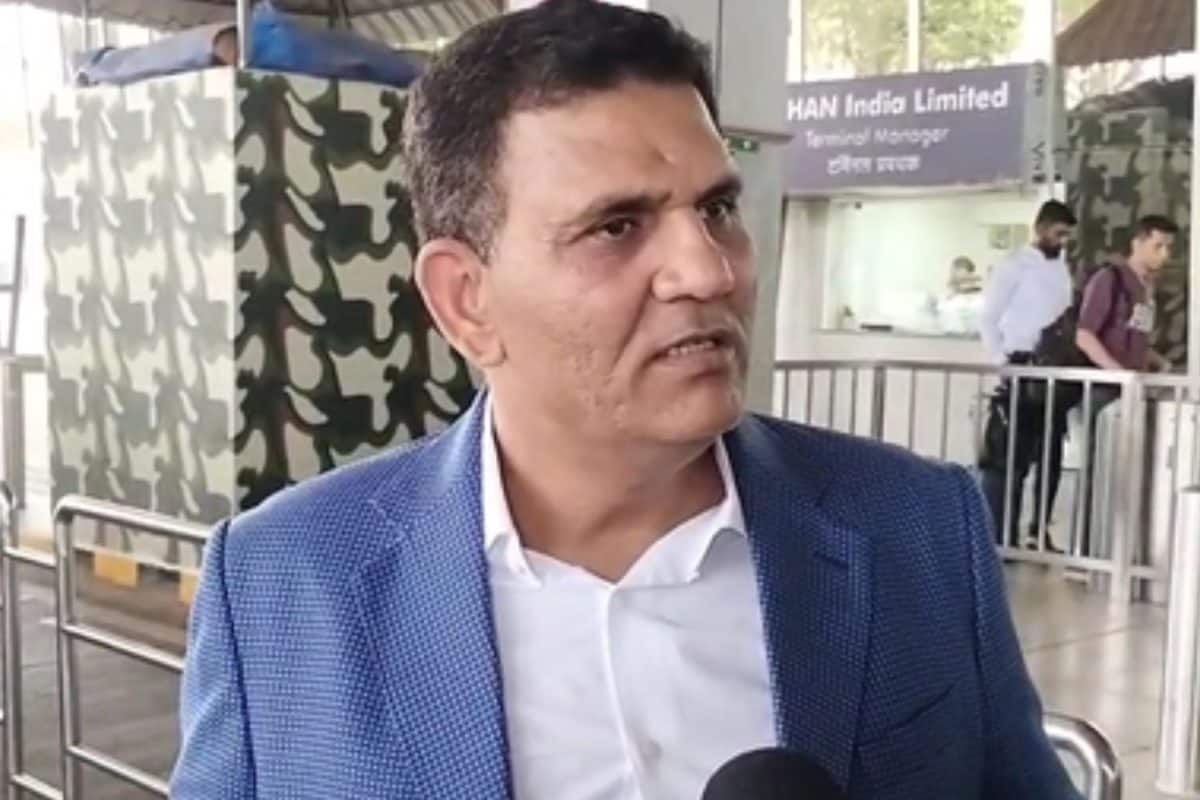
Following the sweeping victory in Bangladesh’s 13th parliamentary elections, Tarique Rahman has included two leaders from minority communities in his Cabinet. A total of 25 MPs took oath as Ministers, including Nitai Roy Chowdhury.
There had earlier been speculation that Goyeshwar Chandra Roy, a prominent minority Hindu face in Bangladesh politics and a former key minister, would be inducted. Instead, his relative Nitai Roy Chowdhury was named in the Cabinet. The second minority leader is Dipen Dewan.
Who Is Nitai Roy Chowdhury?
According to Tritiomattra.com, Nitai Roy Chowdhury, born in 1949, is a Bangladeshi lawyer and politician. Elected as an MP from the Magura constituency, he is regarded as one of the party’s top strategists and a senior strategic adviser to the leadership.
He defeated a Jamaat-e-Islami candidate in a direct contest in the 13th parliamentary elections held on February 12, 2026. From the Magura-2 constituency, he secured 147,896 votes, defeating Jamaat candidate Mustarshid Billah by a margin of 30,838 votes.
Chowdhury previously served as Youth and Sports Minister in the government led by Hussain Muhammad Ershad. He is currently a Vice Chairman of the Bangladesh Nationalist Party’s Central Committee.
Governance Amid Minority Concerns
Tarique Rahman assumes leadership at a time when Bangladesh is grappling with instability and serious concerns over the safety of minorities. During the interim government’s tenure, incidents of violence against Hindus drew international attention. Reports of mob violence surfaced particularly after the announcement of elections, with killings of minorities reported from various regions. From late November to the first week of February, violence against minorities intensified.
Observers are now watching whether Rahman’s Cabinet choices signal a step toward addressing these concerns and improving the country’s image.
Significance For India
The election of two candidates from the Hindu minority community is being viewed as significant for India, particularly against the backdrop of attacks on members of the community that strained relations between New Delhi and Dhaka.
India had responded strongly after the lynching of a Hindu garment factory worker, Dipu Chandra Das, who was reportedly tied to a tree and set on fire.
The interim administration led by Nobel Laureate Muhammad Yunus had played down the violence, stating that many of the incidents were driven by criminal motives.
Further violence was reported in December last year following the killing of Sharif Osman Hadi, a prominent leader of the popular uprising and a vocal critic of India.
According to Amnesty International, homes, places of worship and businesses belonging to religious minorities were targeted across the country in the immediate aftermath of the anti-Hasina uprising.
The Bangladesh Hindu Buddhist Christian Unity Council said that more than 500 attacks were recorded in 2025, including cases of sexual assault and arson, AFP reported.