


Even after claims of severe military losses, Iran continues to retaliate strongly against United States and Israel on the 22nd day of the war. Reports suggest that key leaders, including Ali Khamenei, and several top military commanders have been eliminated, with over 50 senior figures reportedly killed. Despite this, Iran has not shown any signs of surrender. Major Iranian cities like Tehran and Dezful have faced repeated missile strikes, targeting defense facilities and strategic sites, including a space research center. The US has claimed that nearly 90% of Iran’s military capabilities have been destroyed. However, Iran continues to launch counterattacks, even claiming to have downed an advanced F-35 Lightning II—a claim not independently verified. This ongoing resistance raises critical questions about Iran’s internal military structure and resilience. Experts suggest that Iran’s strength may lie in decentralized command systems, ideological motivation, and layered military networks such as the Islamic Revolutionary Guard Corps, which allow operations to continue even after leadership losses. The conflict highlights how Iran is sustaining its fight despite heavy damage, keeping pressure on its adversaries and prolonging the war.
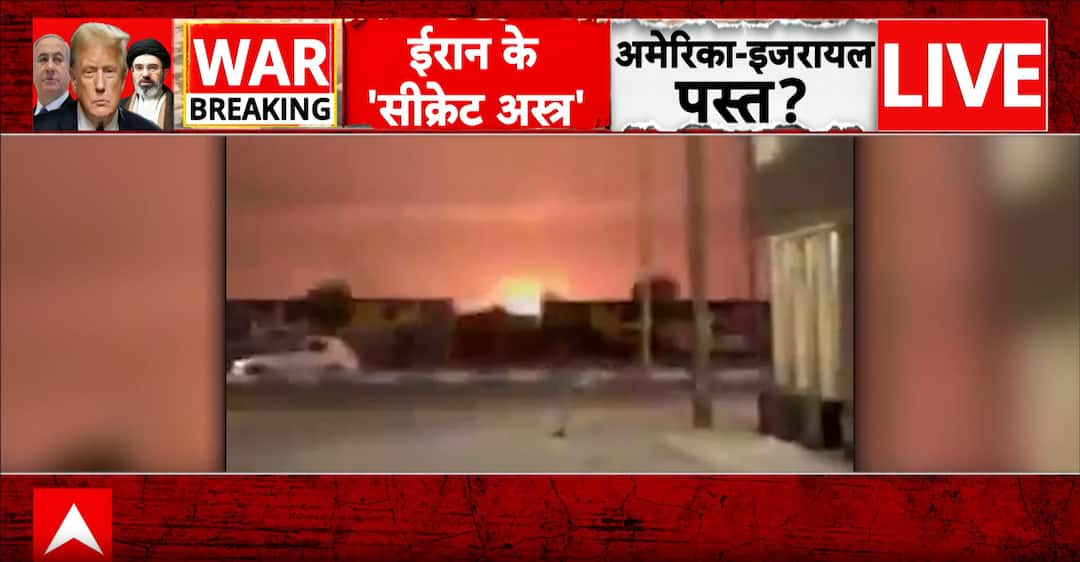
War Alert: Despite Heavy Losses, Iran Continues Strong Resistance Against US and Israel
Previous article

Next article
