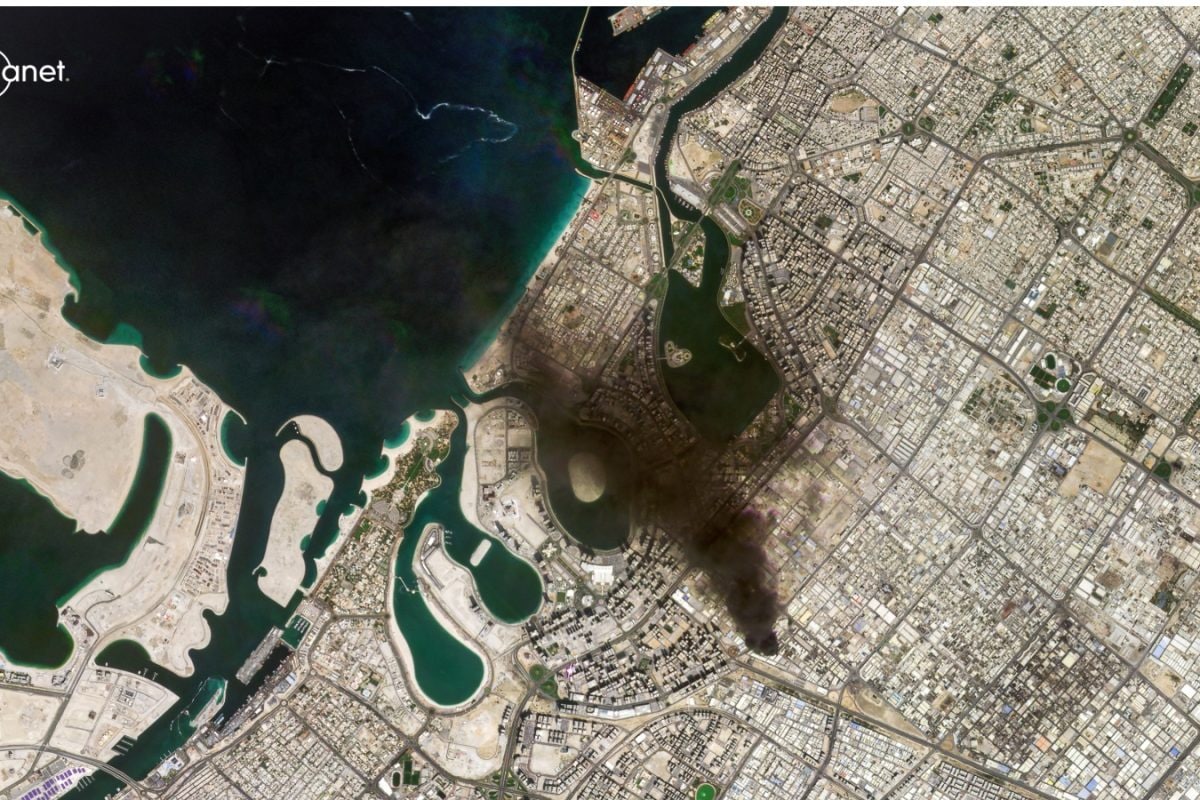
Amid intensifying hostilities in West Asia, fresh reports indicate that Washington may be exploring a quiet diplomatic channel with Tehran even as military operations continue at full throttle. According to multiple U.S. and Israeli media outlets, a detailed proposal has allegedly been conveyed to Iran in a bid to de-escalate the ongoing conflict.
While the development has drawn global attention, independent confirmation remains elusive, and key stakeholders appear divided over whether talks are truly underway.
Proposal Routed Through Pakistan Raises Questions
Citing unnamed sources, The New York Times reported that the United States has transmitted a 15-point proposal to Iran through Pakistan. The plan is said to address critical flashpoints, including Tehran’s nuclear and missile programmes, as well as maritime security concerns in the region.
Separately, ABC News corroborated that the proposal was relayed via Islamabad, quoting two individuals familiar with the matter. However, the sources declined to reveal specifics—such as the intended recipients within Iran’s leadership or the finer details of the plan. It also remains unclear whether Israel is formally on board with the initiative.
Despite these reports, Iranian officials have dismissed claims of any ongoing negotiations, maintaining that no such diplomatic engagement is taking place.
White House Signals Dual Strategy
Even as speculation grows around a potential diplomatic opening, the White House has reiterated that military objectives remain firmly in focus. Press secretary Karoline Leavitt underscored this approach, stating: “As President Trump and his team explore this new diplomatic opening, Operation Epic Fury continues in full force.”
Conflict Deepens Across Region
The reported proposal comes against the backdrop of a rapidly escalating conflict. On February 28, President Donald Trump announced the launch of “major combat operations” targeting Iran, marking a significant escalation involving coordinated U.S.–Israeli strikes on key military and government sites.
In a dramatic development early in the campaign, Iran’s Supreme Leader Ayatollah Ali Khamenei was killed in Tehran. His son, Mojtaba Khamenei, has since assumed leadership, signaling a major shift in Iran’s political landscape.
Tehran has responded with a series of missile and drone attacks targeting Israel, U.S. military installations, and Gulf nations. Additionally, Iran has attempted to disrupt maritime traffic through the strategically vital Strait of Hormuz.
Meanwhile, Israel has widened its military campaign in Lebanon, stepping up operations against Hezbollah and pushing further into southern parts of the country.