
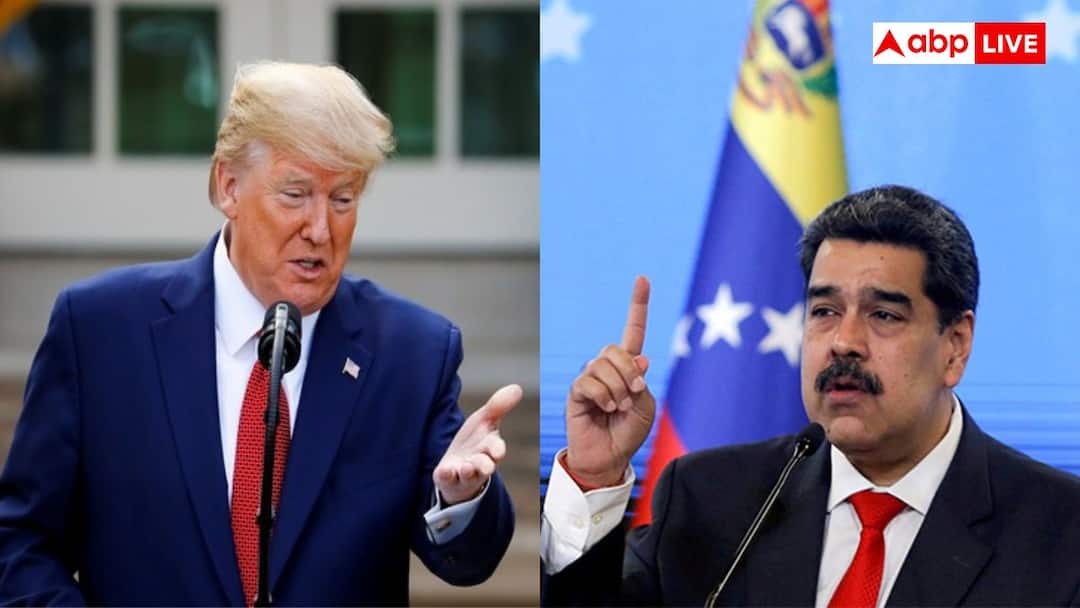

Caracas and several neighbouring cities descended into panic and fear after US aircraft carried out airstrikes across Venezuela, captured President Nicolás Maduro, and flew him to New York. The strikes caused extensive damage to critical infrastructure and power grids, plunging large parts of the Venezuelan capital into darkness. With communication networks crippled, streets emptied, shops shut down, and the country was left effectively without leadership.
Sunil Malhotra, a member of the small Indian community living in Caracas, described scenes of widespread destruction, food shortages and deep uncertainty as fear gripped the Latin American nation.
“There is significant damage. They attacked the airport in Caracas, and there is an airbase about 100 kilometres outside the city, the country’s largest base, which was also hit. The maximum damage has been at Fuerte Tiuna. That’s where the impact was the heaviest,” Malhotra told India Today TV.
Most Shops Shut In Venezuela
Following the attack, major establishments and shops shut down and public transport services were suspended, bringing normal life to a halt. Residents remained indoors as uncertainty loomed across the city.
“Most supermarkets were shut. Only small neighbourhood stores, what we call kirana stores in India, were open, and there were long queues. There were around 500 to 600 people lined up on each block, and only one or two people were allowed inside at a time,” he said.
The longest queues were seen at bakeries as people rushed to secure food supplies. “It’s not that there is a complete shortage yet, but there are huge lines at pharmacies as well, because pharmacies here also sell canned food such as tuna, sardines and ham,” Malhotra added.
Power Cuts In Caracas
Power outages forced residents to walk long distances in search of places to charge their phones. Malhotra said he had to rely on an illegal power connection set up by street vendors.
“There is a streetlight quite far from where I live that still has power. Hot dog vendors have tapped electricity illegally, and people are using that point to charge their phones,” he said.
Malhotra said he went to charge his phone around 4 pm and managed to return home only around 11 pm due to the crowd.
“It was so crowded that I had to wait for someone else to finish before I could get a spot. That’s how I’m able to speak to you,” he said, adding that India Today managed to reach him by phone amid the communications blackout.

