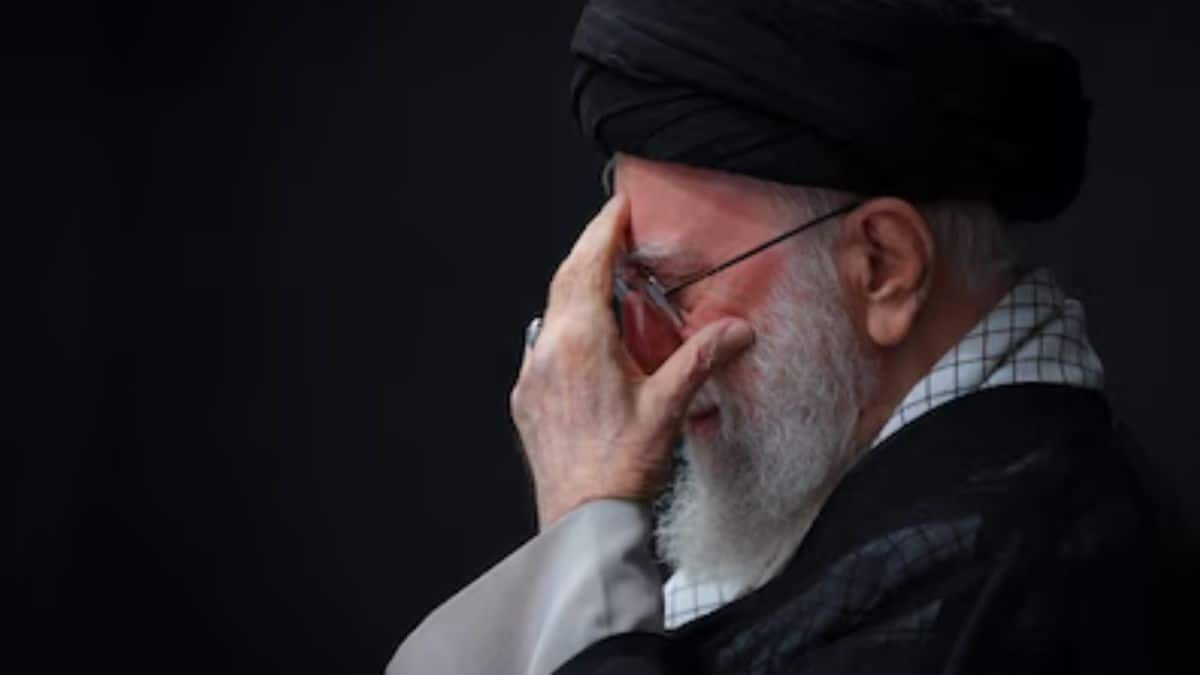
Iran’s Supreme Leader, Ali Khamenei, was killed on Saturday in a sweeping joint military operation by the United States and Israel, according to statements from US President Donald Trump and Iran’s state media.
Israeli officials, speaking on condition of anonymity, said Khamenei died in an airstrike on his compound in Tehran. His death, if fully confirmed, would mark a dramatic turning point in the region after nearly four decades of his leadership. Trump announced the development on Truth Social, describing the campaign as part of a broader push to neutralise threats from Iran and suggesting operations would continue “as long as necessary” to secure peace in the Middle East.
US Strikes In Iran
The large-scale assault targeted Iranian missile installations, air defence systems and command centres linked to the Islamic Revolutionary Guard Corps, according to the U.S. Central Command. Israeli forces said they struck senior military and political figures, claiming several top officials were “eliminated” in the opening phase of the operation.
The offensive followed weeks of mounting tensions and failed nuclear negotiations. U.S. officials said intelligence indicating possible imminent Iranian strikes on American assets influenced the decision to proceed with military action. Washington had significantly increased its military presence in the region ahead of the attack.
Iran’s Missile Attacks In Israel
Iran responded within hours, launching missiles and drones toward Israel and several Gulf nations. The United Arab Emirates, Bahrain and Kuwait reported impacts, while Saudi Arabia, Iraq, Jordan and Qatar said they intercepted incoming projectiles. Israeli authorities confirmed casualties in Tel Aviv, while strikes were also reported near U.S. military facilities in Bahrain. Iran’s state media cited hundreds of casualties from the initial bombardment across multiple provinces.
Amid the escalating conflict, internet access across Iran was sharply restricted, and authorities warned vessels against passing through the strategically vital Strait of Hormuz. Protests both supporting and opposing the strikes erupted in cities including New York and Tripoli, Lebanon, underscoring the global repercussions of the unfolding crisis.
As military operations continued into Sunday, international leaders called for restraint. The United Nations Security Council scheduled an emergency meeting, while U.S. lawmakers signalled deep divisions over the scope and duration of the campaign.
With retaliatory strikes ongoing and regional airspace closures disrupting travel across the Middle East, the situation remains volatile, raising fears of a broader and prolonged confrontation.