
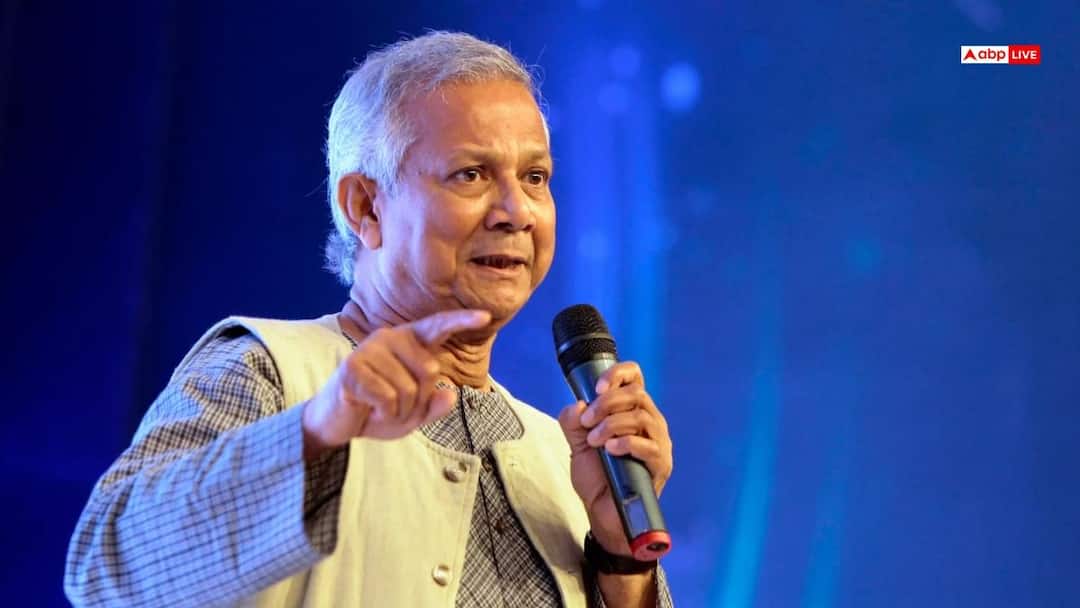

In a clear attempt to steady turbulent diplomatic waters, Bangladesh’s interim government has indicated that it is actively working to ease tensions with India—placing economic logic above political posturing.
Finance Adviser Salehuddin Ahmed said on Tuesday, December 23, 2025, that Chief Adviser Mohammad Yunus has initiated efforts to repair strained ties with New Delhi. According to Ahmed, the administration is determined to pursue economic cooperation with India while consciously separating trade policy from political rhetoric.
Speaking to reporters after a meeting of the government’s Procurement Advisory Council at his office, Ahmed underlined that the leadership is engaging with relevant stakeholders to improve bilateral relations.
“The Chief Adviser is working on strengthening diplomatic engagement with India and is personally in touch with people involved in this process,” Ahmed said.
When asked whether Yunus had spoken directly with Indian officials, Ahmed clarified that he had not, but confirmed that discussions were taking place through key intermediaries.
Rice Import Decision Reflects Economic, Not Political, Thinking
Reinforcing the government’s position, Ahmed stressed that Bangladesh’s trade decisions are driven purely by economic considerations.
“Our trade policy is not influenced by politics,” he said. “If importing rice from India is cheaper than sourcing it from Vietnam or elsewhere, then it is simply sound economics to buy from India.”
On the same day, Bangladesh approved a proposal to import 50,000 tonnes of rice from India—an announcement Ahmed described as a constructive step towards maintaining positive relations.
The financial rationale, he explained, was straightforward. Importing rice from Vietnam instead of India would cost Bangladesh an additional 10 Bangladeshi taka (US$0.082) per kilogram, making Indian supplies the more economical option.
Ahmed also expressed hope that bilateral ties would stabilise and not deteriorate further amid the current tensions.
India-Bangladesh Ties Under Strain Amid Diplomatic Flashpoints
The remarks come against a backdrop of growing concern among diplomatic observers, many of whom say India-Bangladesh relations are at their weakest since Bangladesh gained independence from Pakistan in 1971.
In recent weeks, both nations have summoned each other’s ambassadors, while protests have taken place outside Bangladeshi and Indian diplomatic missions in Dhaka, New Delhi, and other locations.
Despite the escalating optics, Ahmed downplayed the severity of the situation. “The circumstances have not reached a stage of crisis,” he said, suggesting that dialogue and restraint remain possible.
‘Not a National Expression’: Adviser Warns Against External Provocations
Addressing speculation about the role of external actors, Ahmed acknowledged that developments may appear alarming from the outside. “It may look like a lot is happening,” he said, adding that certain statements were difficult to control.
When questioned about whether individuals or outside forces were fuelling anti-India sentiment, Ahmed was cautious but firm. “We do not want bitterness between Bangladesh and India,” he said. “If someone from outside is trying to create trouble, it does not serve the interests of either country.”
He further emphasised that such incidents do not reflect Bangladesh’s national stance, warning that they only complicate the country’s diplomatic environment.

