


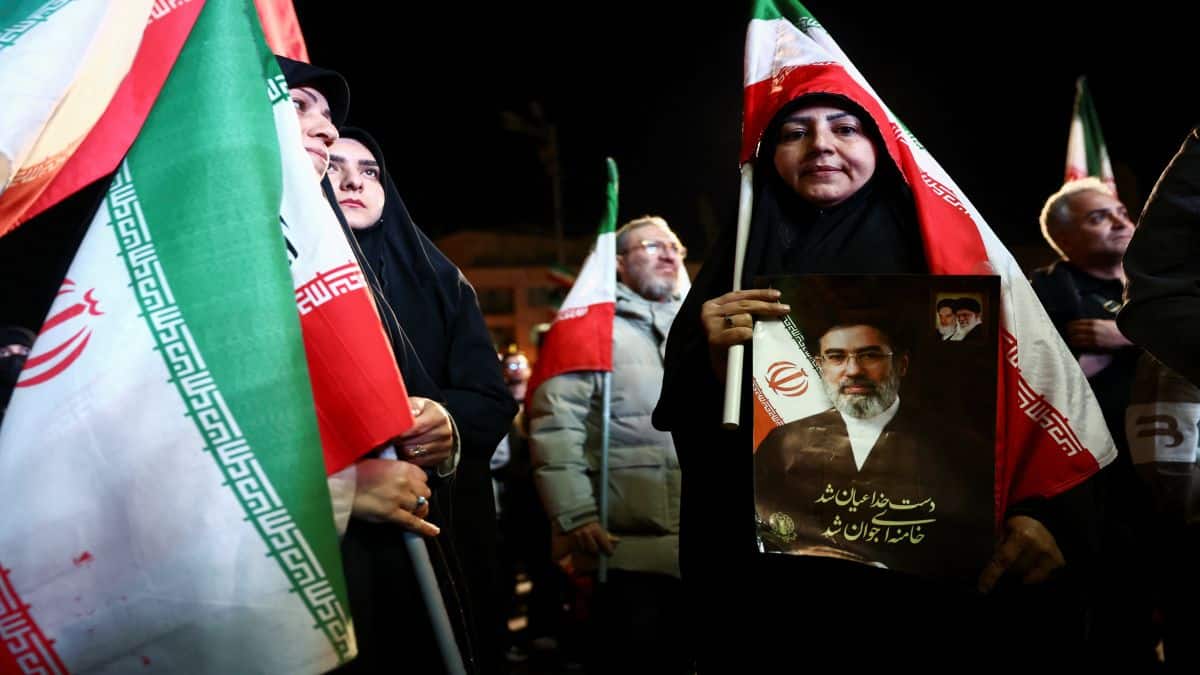
In a dramatic turn of events, President Donald Trump confirmed a ceasefire agreement with Iran, just 90 minutes before the deadline on social media, signaling a temporary halt to the ongoing conflict. The ceasefire, which is set to last two weeks, has sparked intense debates over its implications and the future of U.S.-Iran relations. Iran, through its Supreme National Security Council, clarified that the ceasefire does not equate to the end of the war, with both sides still harboring deep mistrust. Iran’s assertive stance has been marked by a list of 10 demands, including the removal of economic sanctions and the return of frozen assets. As tensions simmer, one key point of contention arises around the Strait of Hormuz, where Iran has hinted at imposing tolls for ships passing through, setting a precedent that could change the dynamics of global shipping routes. While the U.S. might not be directly affected by this toll, the issue reflects Iran’s growing bargaining power in the region. For Trump, the ceasefire may provide temporary relief, but the political pressure is mounting, with calls for his impeachment gaining traction, especially after his controversial rhetoric. The situation is far from resolved, and the outcome of these high-stakes negotiations will shape global diplomacy for years to come. The U.S. faces a tough challenge as it navigates its position on the bargaining table, and questions remain on how both nations will move forward.

Breaking: Trump Announces Ceasefire with Iran, But Eruption of Demands and Conditions Continue
Previous article
Next article
