

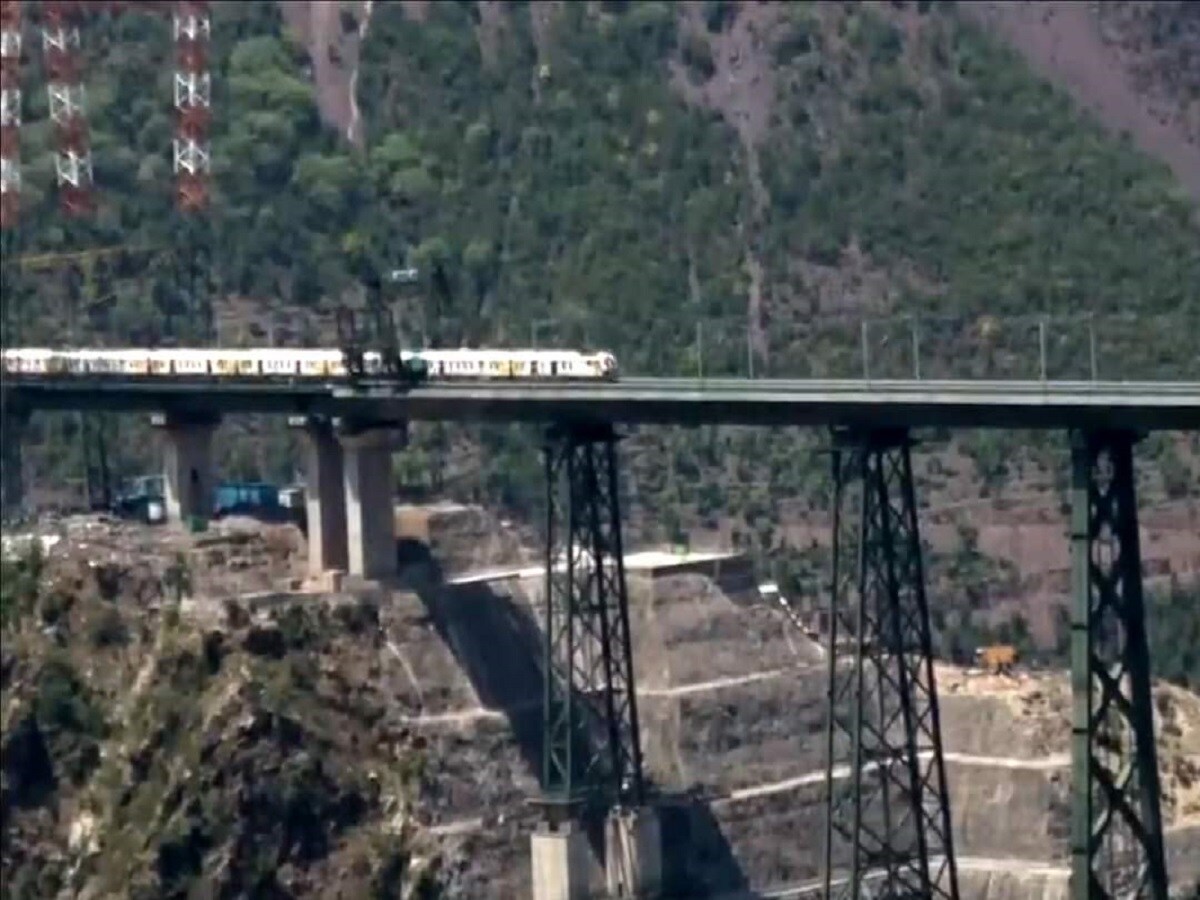
When it comes to the world’s highest railway bridge, the Chenab Bridge in India often comes to mind. Towering 359 metres above the Chenab River, it even surpasses the Eiffel Tower in height and has become a symbol of engineering excellence. However, what many don’t know is that there exists a railway line that runs at nearly five times that altitude.
Located in Jammu and Kashmir, the Chenab Bridge is the tallest arch railway bridge in the world, standing at about 1,000 metres above sea level. With its completion, Kashmir was finally connected to the rest of the country via train. Yet, while it’s an engineering wonder, it’s still far lower than the Qinghai – Tibet Railway Line, the highest railway line in the world.

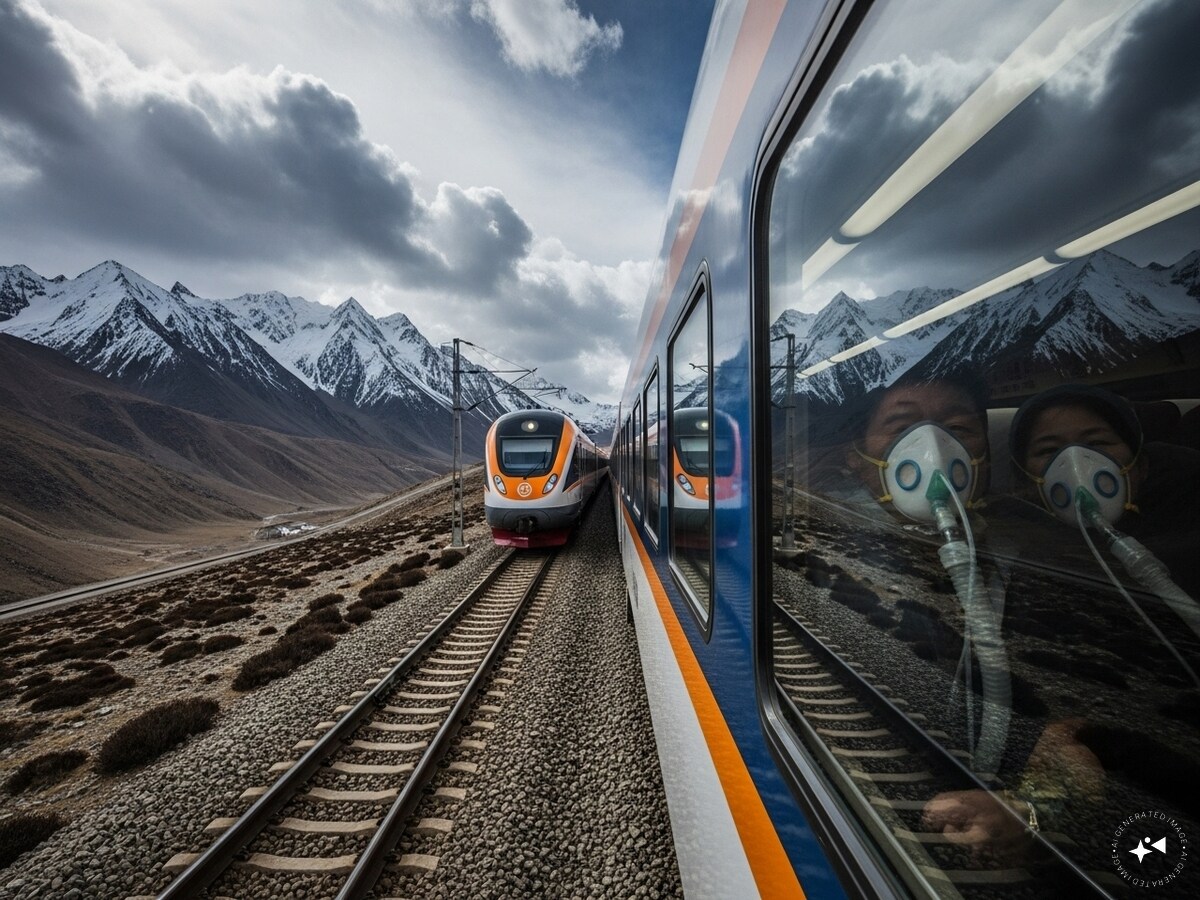
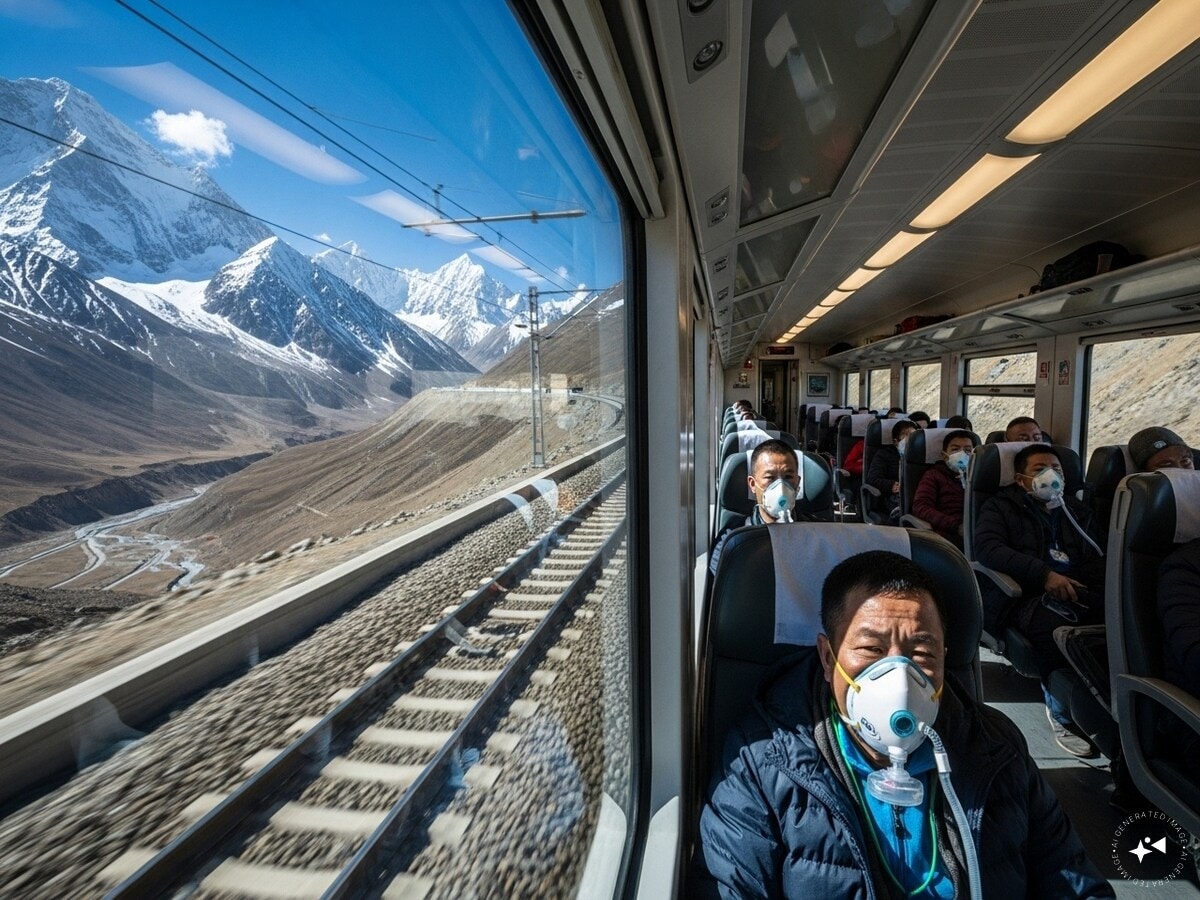
Operated by China, the Qinghai-Tibet Railway reaches an astonishing 5,068 metres above sea level at its highest point, crossing the Tanglang La Pass. The conditions on this railway line are so extreme that the train journey resembles a flight. Each coach is equipped with oxygen masks, which passengers must wear during the trip, especially as the oxygen levels drop dramatically at higher altitudes. Before issuing tickets, train conductors ensure passengers’ oxygen masks are functioning, just like flight attendants do on planes.

Given the thin air, pressurised train coaches are used to maintain safe breathing conditions. Still, medical professionals are stationed in every coach to assist passengers in case of altitude sickness or respiratory difficulties. This makes the journey both adventurous and safe, though elderly travellers sometimes find it challenging.
The Qinghai-Tibet line stretches 1,956 kilometres from Xining in Qinghai Province to Lhasa in Tibet. Launched in 2006, it has become a lifeline in the region and a bucket-list experience for adventure-seekers.
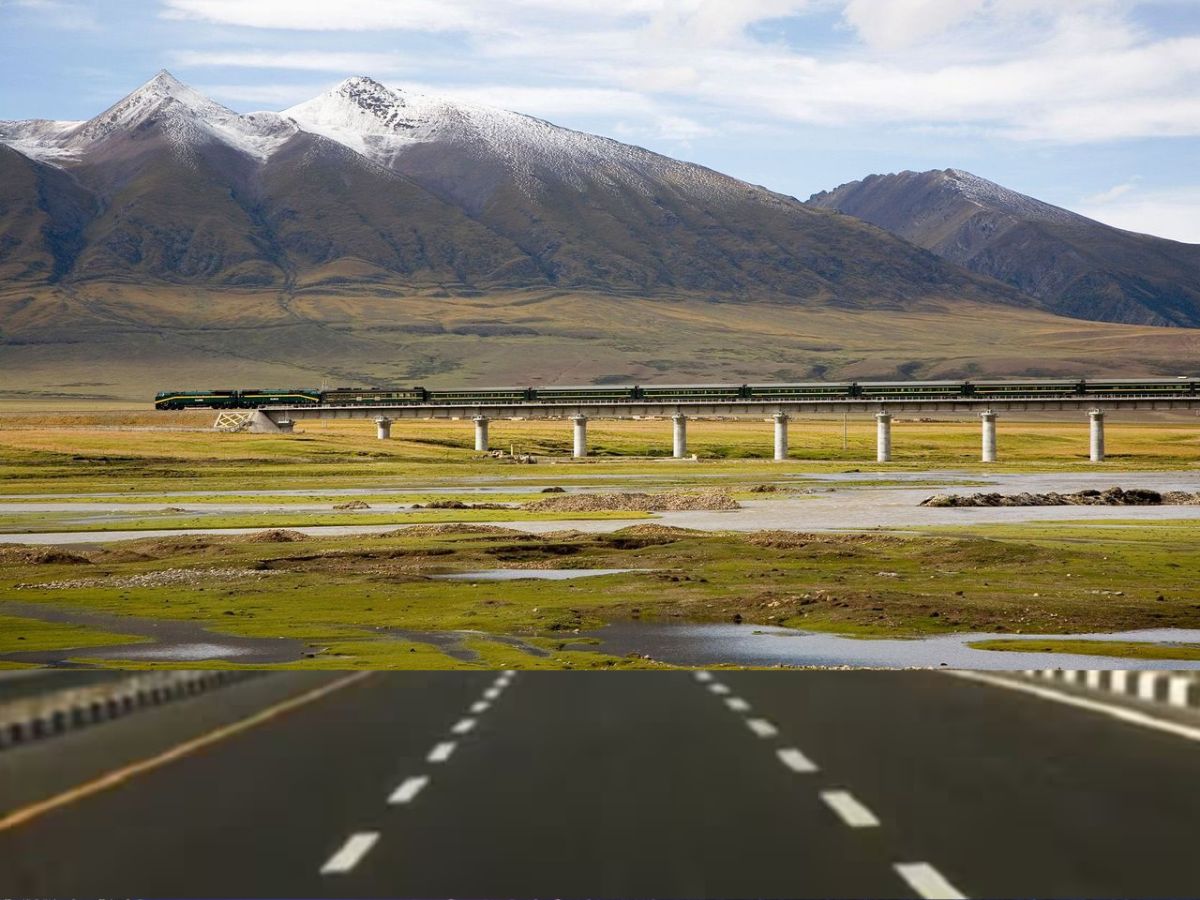
Though the Chenab Bridge remains an iconic feat of Indian engineering, the Qinghai-Tibet Railway offers a train journey that rivals even the skies.
Go to Source
Author: News18