
Last Updated:
Fluctuations in oestrogen and progesterone can stimulate abnormal cell growth in the breast tissue. Women whose mother, sister, or daughter had breast cancer face a higher risk

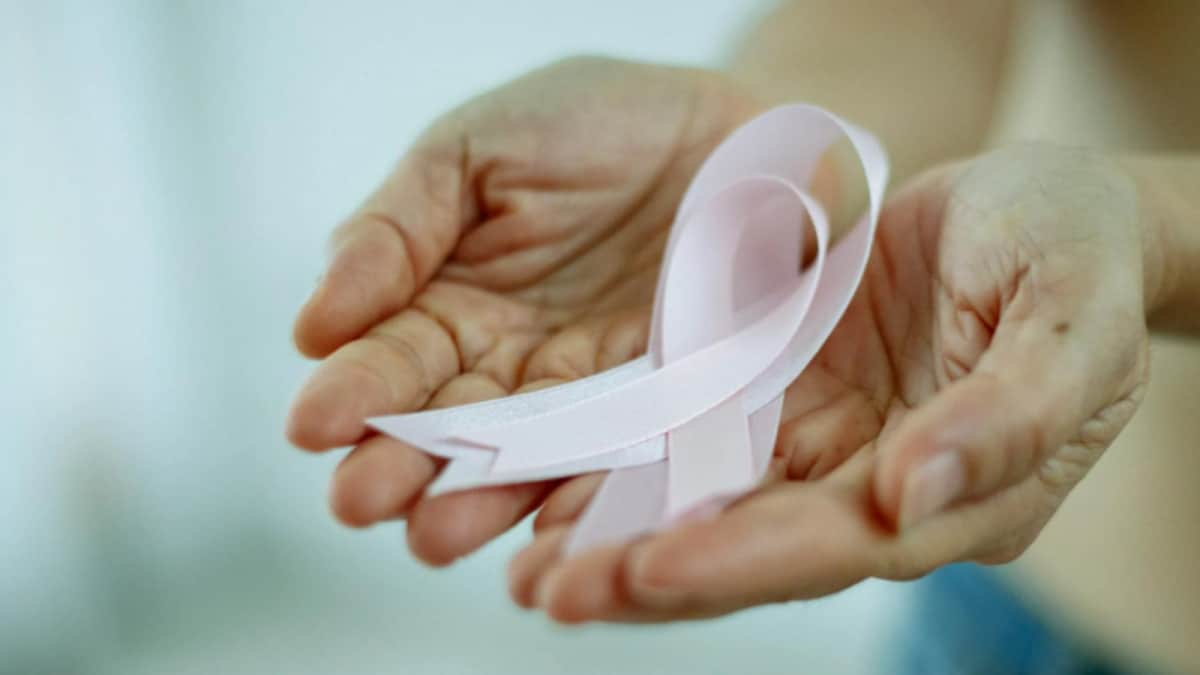
Women who have their first child after 30, or who have never given birth, are slightly more prone to breast cancer. (Pexels)
Breast cancer has become one of the most common cancers affecting women across the world — and India is no exception. According to health experts, breast cancer cases are rising not only in urban areas but also in smaller towns, driven by lifestyle changes, hormonal imbalances, and lack of awareness.
Recommended Stories
What Is Cancer And How Does It Develop?
Cancer begins when normal cells in the body start growing and dividing uncontrollably. This happens because of changes or mutations in the DNA of the cells. Normally, the body regulates cell growth — old cells die, and new cells take their place. But when this system breaks down, abnormal cells multiply, form lumps or tumours, and can spread to nearby tissues and other parts of the body.
Certain habits and exposures can increase the risk of such mutations, including alcohol consumption, smoking, poor diet, lack of exercise, and even some viral infections. Environmental factors like radiation and pollution also play a significant role in increasing cancer risk.
Why Breast Cancer Is So Common Among Women
Among women, the most common types of cancer are breast cancer, lung cancer, colorectal cancer, cervical cancer, and ovarian cancer. But breast cancer tops the list, accounting for a large share of cancer diagnoses in Indian women.
Medical experts point out that several factors can increase a woman’s risk of developing breast cancer:
Hormonal changes: Fluctuations in oestrogen and progesterone can stimulate abnormal cell growth in the breast tissue.
Genetics and family history: Women whose mother, sister, or daughter had breast cancer — especially at a young age — face a higher risk.
Age and menopause: Risk increases with age, particularly after menopause. Early menstruation or late menopause can also contribute to higher hormone exposure.
Pregnancy patterns: Women who have their first child after 30, or who have never given birth, are slightly more prone to breast cancer.
Obesity and stress: Excess body fat can lead to higher oestrogen levels, while chronic stress weakens immunity, both of which can increase cancer risk.
Lifestyle factors: Smoking, alcohol use, lack of exercise, and a sedentary lifestyle can trigger hormonal and metabolic changes linked to cancer.
Exposure to radiation: Women who have undergone radiation therapy for other medical reasons face an increased risk later in life.
Symptoms You Should Never Ignore
Early detection is the key to successful treatment. Many women overlook or misinterpret the early warning signs of breast cancer. Here’s what to look for:
- A lump or thickening in the breast or underarm area that feels different from the surrounding tissue.
- Changes in breast size or shape, such as swelling or unevenness.
- Skin changes like dimpling, puckering, or an orange peel-like texture on the breast.
- Nipple changes, including inversion, discharge (especially bloody), or scaling around the nipple area.
- Persistent redness or flaking of the breast skin.
If you notice any of these symptoms, consult a doctor immediately. Early diagnosis can drastically improve recovery chances.
How to Reduce Your Risk
While no one can eliminate the risk of breast cancer, certain habits and lifestyle changes can significantly reduce it.
- Maintain a Healthy Weight
Excess body fat can increase oestrogen levels, which in turn raises breast cancer risk. Keep your weight in check through a balanced diet and regular exercise.
- Stay Physically Active
Sitting for long hours can slow down metabolism and affect hormonal balance. Aim for at least 30 minutes of moderate physical activity — brisk walking, cycling, or yoga — every day.
- Eat A Balanced Diet
- Focus on whole foods and avoid ultra-processed items.
- Include fruits, vegetables, leafy greens, and fibre-rich foods.
- Limit red meat, sugary drinks, and high-fat processed foods.
- Avoid excessive alcohol and tobacco.
- Breastfeed If Possible
Breastfeeding not only benefits the baby but also reduces the mother’s lifetime exposure to hormones linked to breast cancer.
- Limit Hormone Treatments
Avoid unnecessary use of hormonal birth control pills after age 35 and stay away from long-term hormone replacement therapy during menopause unless prescribed and monitored by a doctor.
- Get Regular Screenings
Early detection through mammograms or self-exams saves lives. Women above 40 should consult their doctor about the right screening schedule based on risk factors and family history.
- Manage Stress
Stress affects hormonal balance and immunity. Meditation, deep breathing, and spending time in nature can help reduce anxiety and maintain overall well-being.
The Role Of Diet In Cancer Prevention
The Indian diet, traditionally rich in vegetables, legumes, and spices, has protective benefits. But modernisation has changed eating habits drastically. Rising consumption of fried foods, refined carbohydrates, processed snacks, and sugary beverages has increased obesity and lifestyle diseases, which in turn elevate cancer risks.
A preventive diet plan includes:
- Fruits & Vegetables: Rich in antioxidants that protect cells from damage.
- Whole Grains: Such as millets, oats, and brown rice for better digestion and metabolism.
- Healthy Fats: From nuts, seeds, and olive oil instead of saturated or trans fats.
- Lean Proteins: Like lentils, beans, eggs, and fish.
- Hydration: Drinking enough water flushes toxins from the body.
Avoid eating burnt or charred food, as it can produce carcinogenic compounds. Also, cut down on red meat and alcohol — both linked to a higher incidence of breast and colorectal cancers.
Importance Of Awareness & Regular Check-ups
In India, a significant number of breast cancer cases are detected at advanced stages — largely due to lack of awareness and stigma. Many women ignore early symptoms or avoid medical consultations because of fear, modesty, or misconceptions.
Raising awareness through community programmes, health camps, and media campaigns is essential. Encouraging open conversations about women’s health — especially in rural areas — can help in early diagnosis and better survival outcomes.
When To See A Doctor
If you notice any unusual changes in your breasts, such as persistent pain, discharge, swelling, or lumps, consult a gynaecologist or oncologist immediately. Regular clinical breast exams should be a part of annual health check-ups, especially for women over 30.
Doctors recommend starting self-examination from the early 20s — once every month, preferably a few days after the menstrual cycle ends. Familiarizing yourself with your normal breast texture helps you detect any irregularity early.
What To Conclude?
Breast cancer is no longer a disease of old age or genetics — it is increasingly linked to lifestyle, stress, and environmental factors. But it’s also one of the most preventable and treatable cancers if caught early.
By maintaining a balanced diet, staying physically active, avoiding harmful habits, and getting regular screenings, women can reduce their risk. Awareness, early action, and a healthy lifestyle together form the strongest defence against breast cancer.
About the Author

Our life needs a bit of style to get the perfect zing in the daily routine. News18 Lifestyle is one-stop destination for everything you need to know about the world of fashion, food, health, travel, relationshi…Read More
Our life needs a bit of style to get the perfect zing in the daily routine. News18 Lifestyle is one-stop destination for everything you need to know about the world of fashion, food, health, travel, relationshi… Read More
October 07, 2025, 16:53 IST
Loading comments…

Stay Ahead, Read Faster
Scan the QR code to download the News18 app and enjoy a seamless news experience anytime, anywhere.

login
Go to Source
Author: News18