- Regular eye check-ups detect problems early, especially after 40.
- Healthy diet with vitamins A, C, E supports eye health.
- Exercise improves blood flow and reduces eye pressure.
- Manage screen time using the 20-20-20 rule.
- Avoid smoking and excess alcohol for long-term vision.
- Prioritize sleep to rest and recover eyes daily.
Our eyes work continuously throughout the day, whether it is scrolling through phones, working on laptops, driving, reading or watching television. Yet, eye health is often ignored until discomfort or vision problems begin to appear. Maintaining healthy habits can play a major role in protecting eyesight and lowering the risk of several eye-related conditions over time.
Many eye diseases develop slowly and may not show warning signs in the early stages. Factors such as excessive screen exposure, unhealthy eating habits, lack of sleep, smoking and stress can gradually affect vision and eye health.
Here are some simple eye care habits that may help protect your vision and support overall eye health.
ALSO READ: Rock Salt Isn’t Safe For Everyone: People With These Health Conditions Should Be Careful
Get Regular Eye Check-Ups
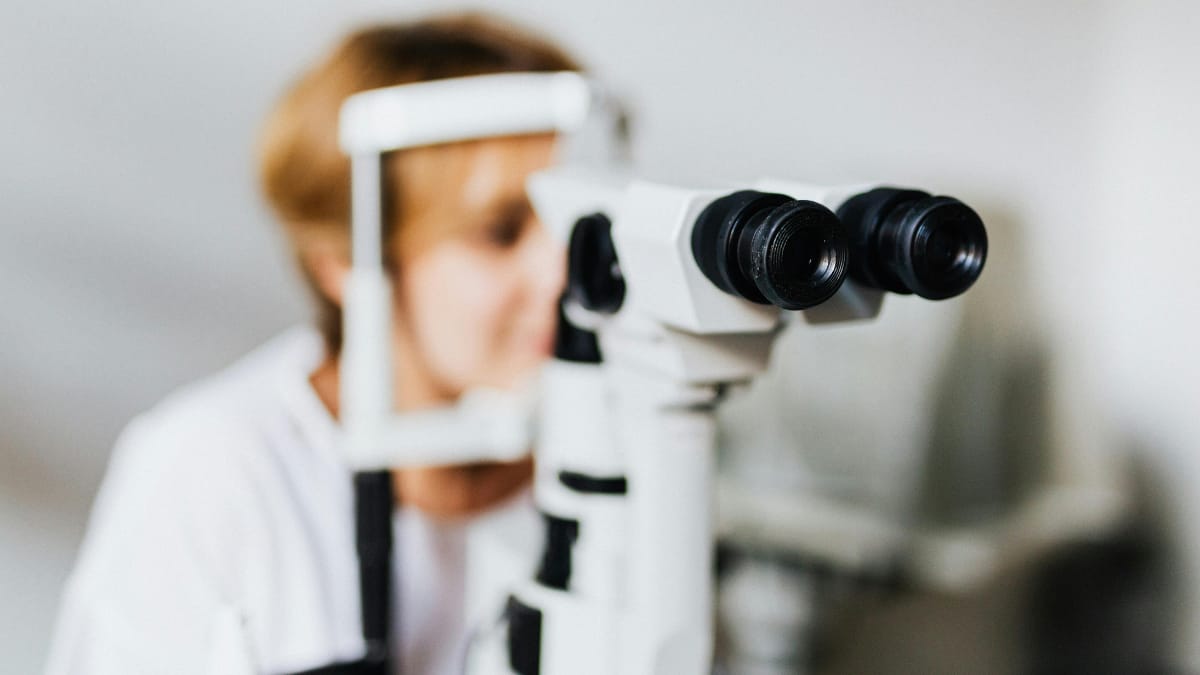
Routine eye examinations are one of the most important steps for maintaining healthy vision. Regular screening can help detect eye-related problems early, even before symptoms become noticeable. People above the age of 40 or those with a family history of eye disorders are advised to get their eyes tested every one to two years.
Follow A Healthy Diet

A balanced diet rich in antioxidants, vitamins and minerals can support better eye health. Green leafy vegetables, citrus fruits, berries and fish are often considered beneficial for the eyes. Nutrients such as Vitamins A, C and E help protect eye cells from oxidative stress and may reduce the risk of several vision-related problems.
Exercise Regularly

Moderate physical activity like brisk walking, yoga or cycling can improve blood circulation, including blood flow to the eyes. Experts say regular exercise may also help reduce pressure in the eyes and support overall eye function. Around 150 minutes of moderate exercise every week is considered beneficial for general health as well as eyesight.
Manage Screen Time Carefully

Spending long hours in front of screens can lead to eye strain, dryness and discomfort. Experts often recommend following the 20-20-20 rule — every 20 minutes, look at something 20 feet away for at least 20 seconds. Using blue light filters and taking regular breaks may also help reduce stress on the eyes.
Avoid Smoking And Excess Alcohol

Smoking and excessive alcohol consumption can negatively affect eye health over time. Health experts say smoking may increase the risk of damage to the optic nerve and other eye-related complications. Limiting these habits can support healthier vision in the long run.
Prioritise Good Sleep
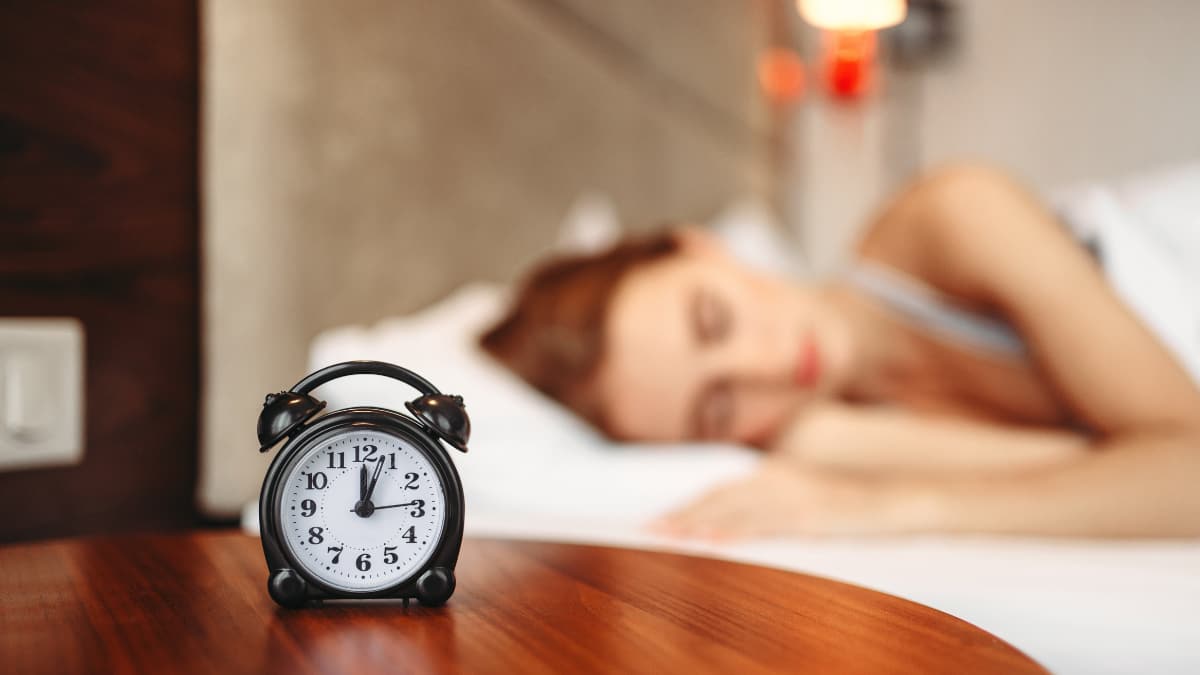
Getting 7 to 8 hours of proper sleep every night allows the eyes to rest and recover from daily strain. Poor or irregular sleep may contribute to eye fatigue and discomfort. Some experts also suggest sleeping with the head slightly elevated to reduce pressure around the eyes.
[Disclaimer: The information provided in the article is intended for general informational purposes only. It is not a substitute for professional medical advice, diagnosis, or treatment. Always seek the advice of your physician or other qualified healthcare provider with any questions you may have regarding a medical condition.]
Check out below Health Tools-
Calculate The Age Through Age Calculator