Blood donation is often called the “gift of life,” yet for a country that needs blood every single day, hesitation and misinformation still hold many people back. From fears of weakness to confusion around eligibility, myths continue to overshadow medical facts. To clear the air, we spoke to two transfusion medicine experts from Kokilaben Dhirubhai Ambani Hospital, Mumbai, who explain what really happens when you donate blood, and why most healthy adults are far more eligible than they think.
ALSO READ: Cervical Health Awareness Month 2026: What Every Mother Should Know About Cervical Health
Myth 1: Donating Blood Makes You Weak Or Anaemic
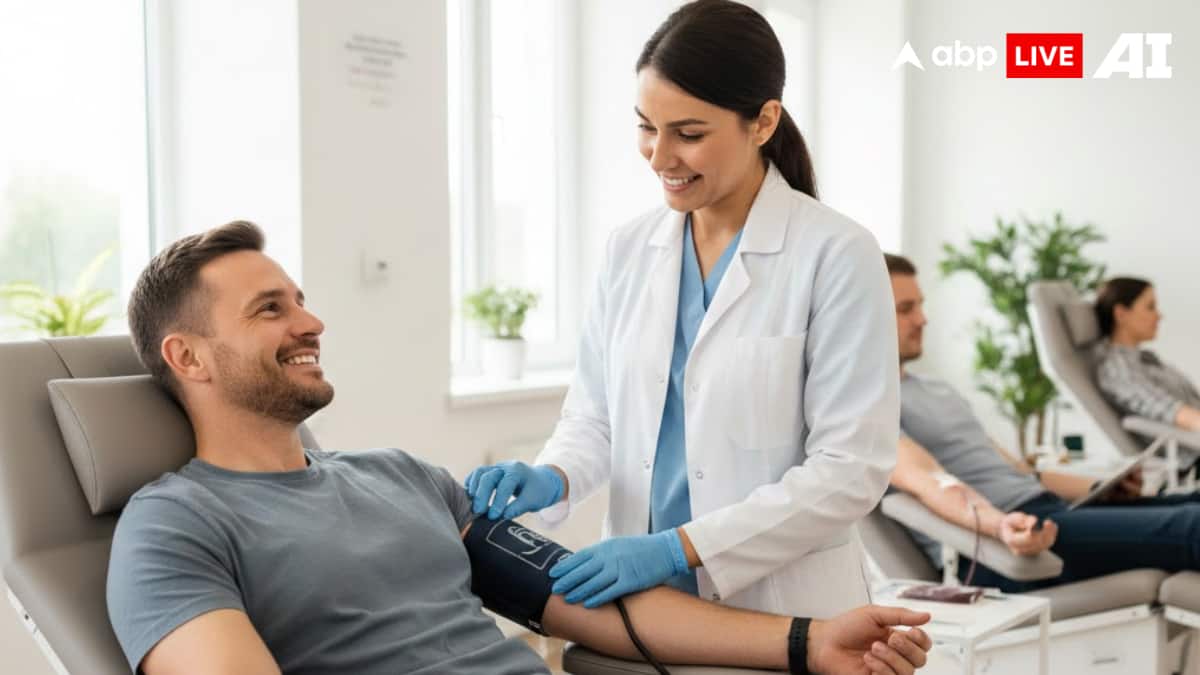
One of the most common fears among first-time donors is the belief that giving blood will leave them weak. According to Dr. Sheenam Thakkar, this concern is largely unfounded when donation is done under regulated guidelines.
“The scientific evidence based answer is NO, provided you are an eligible donor screened under standard guidelines laid down by the National Blood Transfusion Council (NBTC).”
She explains that donors are not accepted casually. Every individual undergoes haemoglobin testing, weight checks, and vital sign assessments before a single drop is collected.
“For whole blood donation, the minimum haemoglobin required is 12.5 g/dL, ensuring that people who are already anemic or borderline are not allowed to donate.”
Donation frequency is also carefully planned to allow the body enough time to recover.
“Men can donate once in 90 days, and women once in 120 days, giving the body enough time to rebuild red cells and replenish iron stores.”
When weakness does occur, Dr. Thakkar points out, it is usually due to avoidable factors like donating on an empty stomach, lack of sleep, or anxiety, not the blood loss itself.
Myth 2: Tattoos, Diabetes, Or Asthma Mean You’re Automatically Ineligible

Another widespread misconception is that tattoos or common health conditions permanently disqualify someone from donating blood. Dr. Thakkar says the truth is far more encouraging.
“National donor guidelines focus on the real risk of transfusion transmitted infections and on the donor’s current clinical stability, not on labels or stigma.”
Tattoos and piercings are viewed mainly through the lens of infection safety.
“The concern is the window period during which infections like hepatitis B or C may not yet be detectable… The goal is not to punish tattooed donors, but to ensure that blood given to patients is as safe as possible.”
She adds that many conditions people assume are disqualifiers are actually acceptable under controlled circumstances.
“Individuals with thalassemia trait may donate if their haemoglobin is within the acceptable range. People with well controlled diabetes on oral medication… can also be accepted.”
Even asthma doesn’t automatically rule someone out, provided it is stable and well managed.
Myth 3: Being Rejected Once Means You Can Never Donate Again

One of the least understood aspects of blood donation is the concept of temporary deferral. Being turned away doesn’t always mean a permanent “no.”
“Being told ‘you cannot donate today’ is often a temporary safety decision, not a permanent judgment,” says Dr. Thakkar.
Many common conditions only require short waiting periods.
“A person who has had measles can donate two weeks after full recovery… after viral illnesses such as dengue or chikungunya, donors can return six months after complete recovery.”
Permanent deferrals, she explains, are reserved for serious conditions that pose long-term risks to either the donor or the recipient.
“Permanent deferrals are reserved for serious and high risk conditions like hepatitis B or C infection, HIV infection, malignant cancers, and severe chronic organ diseases.”
Understanding this difference can prevent potential donors from giving up altogether after a single rejection.
How Often Is It Safe To Donate Blood?
Dr. Ruhi Mehra talks about donor safety that is just as important as patient survival.
“As transfusion medicine specialists, we hold a dual responsibility: safeguarding the health of our donors and ensuring the recovery of patients battling for their lives.”
According to the latest NBTC guidelines:
“Individuals between 18 and 60 years may donate, while regular donors can continue until age 65… men may donate every three months, while women may donate every four months.”
Each donor also undergoes a medical assessment every time.
“Being deemed eligible is, in itself, a testament that your body is healthy enough to become a lifeline for someone else.”
Do Smoking, Alcohol, Or Diet Affect Your Donation?
Lifestyle choices play a crucial role in donation safety, for both donor and recipient.
“We advise abstaining from smoking for 2–3 hours before and after donation,” says Dr. Mehra, explaining that nicotine can increase dizziness and affect oxygen delivery.
Alcohol rules are stricter.
“There must be a 24-hour gap between consumption and donation… even residual amounts in the blood can be life-threatening for infants or patients with severe liver disease.”
Diet, too, matters more than people realise.
“Maintaining a haemoglobin level of 12.5 g/dl is crucial, vegetarian donors can achieve this by embracing iron-rich foods like spinach, lentils, jaggery, and dates.”
The Myth Doctors Hear Most Often From First-Time Donors
Fear remains the biggest barrier, and it’s usually driven by misinformation.
“Many first-time donors worry that giving blood will weaken their immunity or leave them permanently exhausted,” says Dr. Mehra.
In reality, the body recovers remarkably fast.
“Your plasma is replenished within 24–48 hours, and red blood cells are naturally restored over the following weeks.”
Concerns about infection are also misplaced.
“Modern blood collection utilises only sterile, single-use, disposable equipment. The risk of infection is non-existent.”
Why Honesty And Awareness Save Lives
Behind every unit of blood is a chain of trust, between donor, doctor, and patient.
“Questions about medical history are not meant to embarrass; they are there to protect the blindly trusting patient,” Dr. Thakkar explains.
When myths are replaced with facts, the donor pool grows, and so does the number of lives saved.
“Blood donation is one of the few acts where a short visit can translate directly into lives saved,” she says.
In a system built on science, safety, and compassion, the real question isn’t “Will this make me weak?” but “When am I next eligible to donate?”
[Disclaimer: The information provided in the article is shared by experts and is intended for general informational purposes only. It is not a substitute for professional medical advice, diagnosis, or treatment. Always seek the advice of your physician or other qualified healthcare provider with any questions you may have regarding a medical condition.]
Check out below Health Tools-
Calculate The Age Through Age Calculator